


The topic of men’s sexual health, specifically erectile problems, is a frequent subject of online searches. Many men are looking for ways to improve their erections, whether or not they suffer from erectile dysfunction.This trend highlights the fact that this is a significant health issue affecting the lives of many men.
The natural ageing process has a significant impact on the functioning of the human body, and one of the most pronounced effects in men is a gradual decline in testosterone levels, which begins to become apparent particularly after the age of forty. This hormone, which declines at a rate of 1–2 per cent per year, plays a key role in many bodily functions. Its decline is evident not only on a physical level, where there is a loss of muscle mass and an increase in fat tissue, but also mentally, where it can cause mood swings or depression.
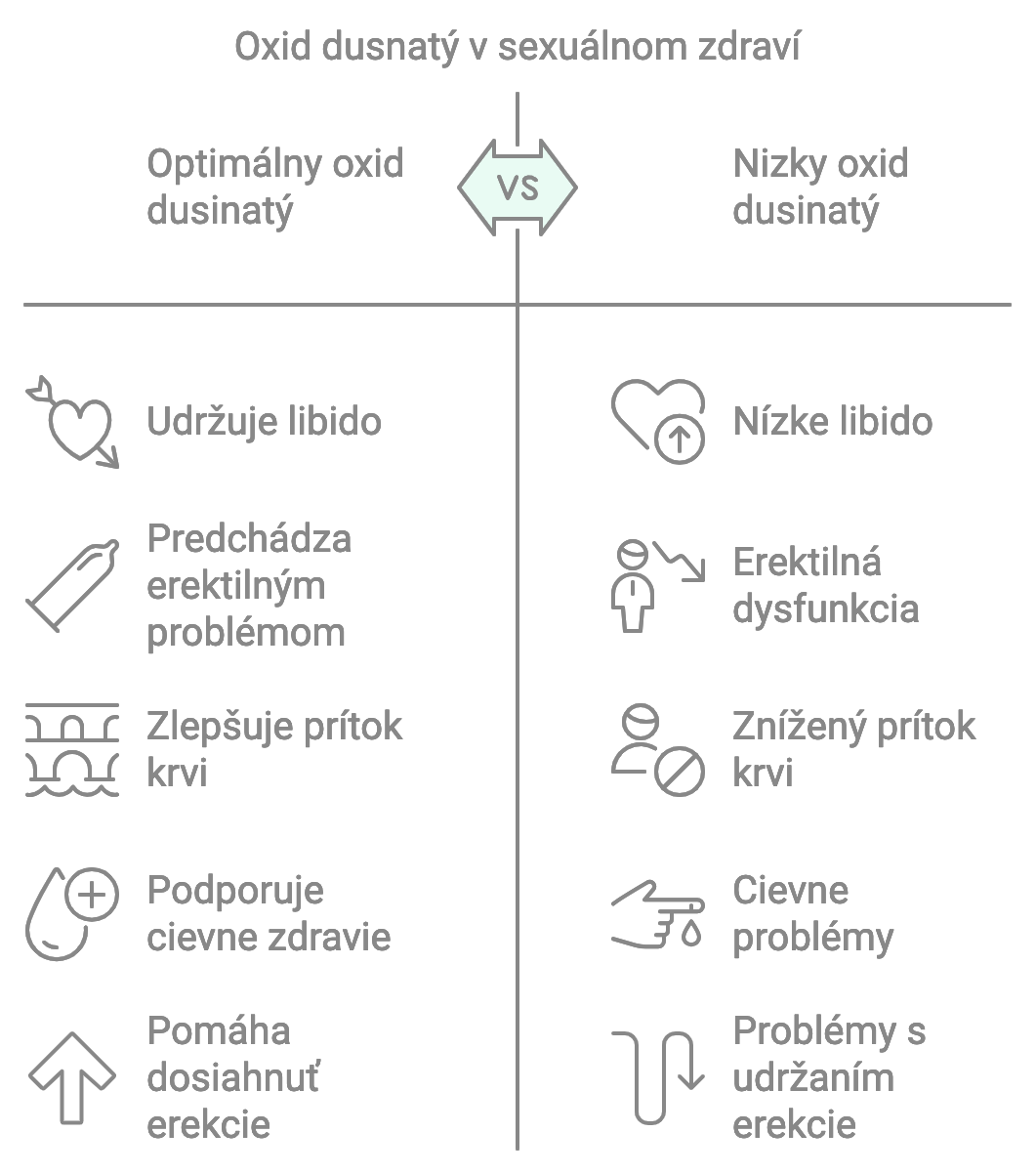
Its impact on sexual health is also significant – a lack of testosterone can lead to a reduced libido and erectile problems, as this hormone is important for the production of nitric oxide in the penis.
NO is the abbreviation for nitric oxide. It is an important signalling molecule in the body which, in the context of an erection, has the following main functions:
It causes the smooth muscle in the blood vessels of the penis to relax
It widens the blood vessels (vasodilation), thereby allowing increased blood flow to the penis
It is essential for achieving and maintaining an erection
Viagra and similar medicines actually prolong the effect of naturally produced nitric oxide in the body by preventing the breakdown of the cyclic GMP molecule (guanosine), thereby enhancing and prolonging the effect of nitric oxide on the tissues of the penis.
Interesting fact: The discovery of the role of nitric oxide in the cardiovascular system was so significant that the 1998 Nobel Prize in Physiology or Medicine was awarded for this research.
When health problems such as high blood pressure or hardening of the arteries occur in the body, these blood vessels can become damaged and cease to produce sufficient nitric oxide.
It is like having a damaged garden hose – the water does not flow through it as it should.
Similarly, if the blood vessels do not produce enough nitric oxide, blood cannot flow properly into the penis and erectile problems arise. In people with diabetes, the problem can manifest in two ways – impaired blood flow and damage to the nerves, which are crucial for proper erectile function.
An interesting aspect of erectile dysfunction is that it can occur even when libido and sexual desire remain intact.
In practice, this means that a man may experience normal sexual arousal and desire, but his body is unable to respond adequately to these stimuli by achieving or maintaining an erection. This mismatch between psychological desire and the body’s physiological response is often linked to pre-existing health problems and can significantly affect a man’s overall sexual health.
There is a large market for erectile dysfunction medicines, including Cialis and Viagra, particularly given how easy it is to obtain their generic versions on prescription from your doctor and via online shops that deliver them right to your door. But what about other options, such as over-the-counter supplements for a better sex life and stronger erections?
Which supplements are the best?
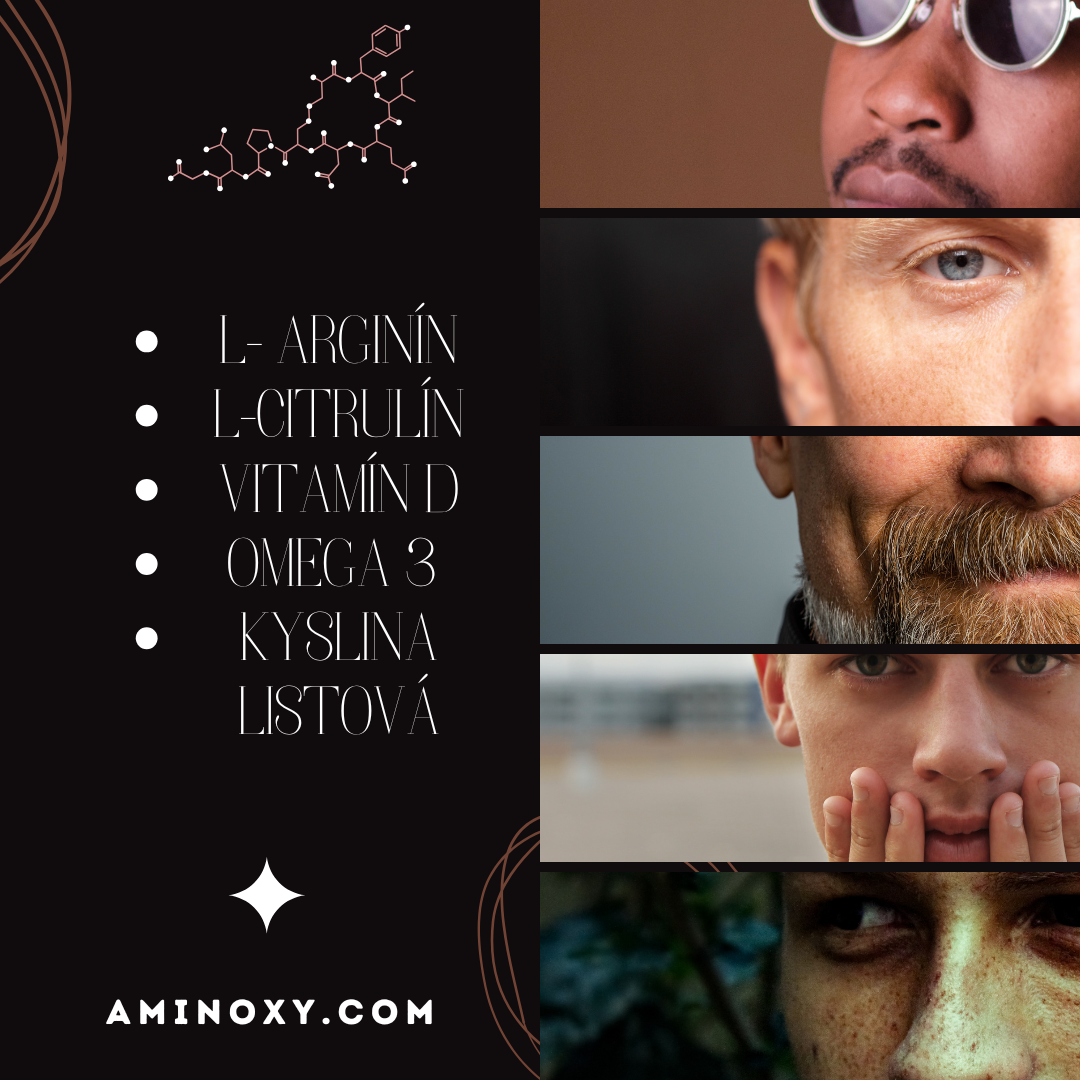
Let’s take a look at 5 substances that are being researched in relation to male sexual health and erectile function.
L-Arginine
A study published in the journal Andrology demonstrated an important link between L-arginine and erectile dysfunction (ED). L-arginine is converted into nitric oxide in the body; as mentioned above, nitric oxide has a significant impact on sexual health and erections.
Note: Medicines such as Cialis and Viagra work on a similar principle – they prevent the breakdown of nitric oxide, thereby maintaining the higher levels in the body that are necessary for an erection.
The amino acid arginine, which is important for the production of nitric oxide (NO) in the body, offers interesting possibilities for supporting erections, but its effectiveness is not entirely clear. The main problem is that, with normal intake, approximately half of the arginine is broken down in the gut before it can be utilised effectively. Whilst higher doses may increase NO production (for example, 5 grams), doses of around 10 grams carry a risk of nausea and vomiting.
Interestingly, recent research has confirmed the positive effect of combination therapy – a daily dose of 3 to 5 grams of arginine can enhance the effects of medicines such as Viagra.
There is also a more natural alternative for increasing NO levels in the body – eating vegetables rich in nitrates.
The richest sources are beetroot (or beetroot juice) and spinach.
These nitrates are first converted into nitrites in the mouth by bacteria and then into nitric oxide in the gut.
However, there are also more effective alternatives. One of these is the amino acid citrulline, which is able to bypass the arginase barrier in the gut and is converted into the necessary arginine in the kidneys.
L-Citrulline
Taking the amino acid citrulline, which has the advantage over arginine in that it can bypass the problematic barrier in the gut.
Citrulline is first converted into arginine in the kidneys and then, in the blood vessels, into nitric oxide, which is key to the quality of an erection.
L-citrulline is found mainly in the following foods: watermelon, cucumbers, pumpkin, courgettes and pulses (particularly chickpeas).
As for dosage, research shows that effective doses range from 3 to 6 grams per day.
L-citrulline is also available in the form of dietary supplements, either on its own or in combination with other substances that support vascular health. This is, in fact, one of the most popular ways of taking it, as achieving a therapeutic effect would otherwise require consuming large quantities of natural sources.

Omega-3
Omega-3 fatty acids play a key role in supporting erections. Their main benefit lies in their ability to increase the production of nitric oxide (NO) in the blood vessels, which is essential for achieving and maintaining an erection. For the best results, it is important to consume the correct forms of omega-3, specifically EPA and DHA, which are found directly in oily fish (salmon, sardines, mackerel) and fish oil.
Although there is also a plant-based form of omega-3. In this way, you will not only support your cardiovascular health, but also the body’s natural ability to produce the NO necessary for a healthy erection.
The omega-3 fatty acid EPA triples NO production and even prevents the reduction of nitric oxide, which is key to achieving an erection.
The combined daily dose of omega-3 fatty acids should be at least 250 to 500 mg.These recommendations may vary depending on individual health needs and consultation with a doctor or nutritionist, particularly when higher doses are required for specific health conditions.
Omega-3 supplements are commonly available as capsules, tablets or liquids, and often contain the important fatty acids DHA and EPA.
Vitamin D
Some studies suggest that men with a vitamin D deficiency are more likely to experience erectile problems. This may be because low levels of vitamin D are associated with conditions such as high blood pressure, coronary artery disease and peripheral artery disease. Essentially, these are problems with blood flow that affect the circulatory system and, consequently, erections.
Although vitamin D can be obtained from food (salmon, eggs) and sunlight, most people are deficient in it; therefore, supplementation is recommended at doses ranging from 600 to 2,000 IU per day. Ideally, this should be done after a blood test.
Vitamin D is available in the form of tablets, capsules, drops, chewable tablets, dissolvable tablets and oral sprays.
Folic acid (B9)
Folic acid, also known as vitamin B9, is another important supplement that contributes to overall health and wellbeing, including erectile health.
According to some studies , folic acid supplementation may improve sexual performance by reducing levels of homocysteine, an amino acid found in higher concentrations in men with erectile dysfunction compared to those without the condition.
If you have low levels of folic acid in your blood, blood flow to the penis may not be adequate, which can affect erections. These findings suggest that folic acid plays a role in maintaining vascular health.
This study was the first to investigate how folic acid, using specialised medical tests (PDU), can affect erectile function. Link to the study: https://pmc.ncbi.nlm.nih.gov/articles/PMC10405823/
The recommended daily intake of folate for an adult is 400 μg DFE. Some studies have also noted a link between lower blood folate levels and erectile dysfunction. However, this is merely an association – these results do not in themselves prove that folic acid supplementation can treat erectile dysfunction.
It is also found naturally in leafy green vegetables: spinach, broccoli, cabbage, Brussels sprouts; and in fruit: oranges, avocados, bananas. Pulses: beans, peas, lentils. Yeast and wholemeal cereals: wholemeal bread, oat flakes.
It is also commonly available as a supplement in the form of drops, tablets, capsules, etc.
Other medicines
One study showed that administering Korean red ginseng extract to men significantly improved erections in 60 per cent of men with erectile dysfunction.
Another randomised, double-blind, placebo-controlled study found that a combination of 3 grams of arginine and 80 milligrams of the antioxidant dietary supplement pycnogenol (Pycnogenol is a natural antioxidant extracted from the bark of the French pine (Pinus pinaster)), led to a doubling of sexual desire and significantly improved erectile function.
Arginine acted as a precursor for NO synthesis, whilst pycnogenol prevented its premature oxidation. In this study, this combination of supplements was approximately as effective as Viagra in promoting improved erections.
This combination also increased testosterone production, which is thought to have occurred as a result of the increased NO production brought about by the supplements.
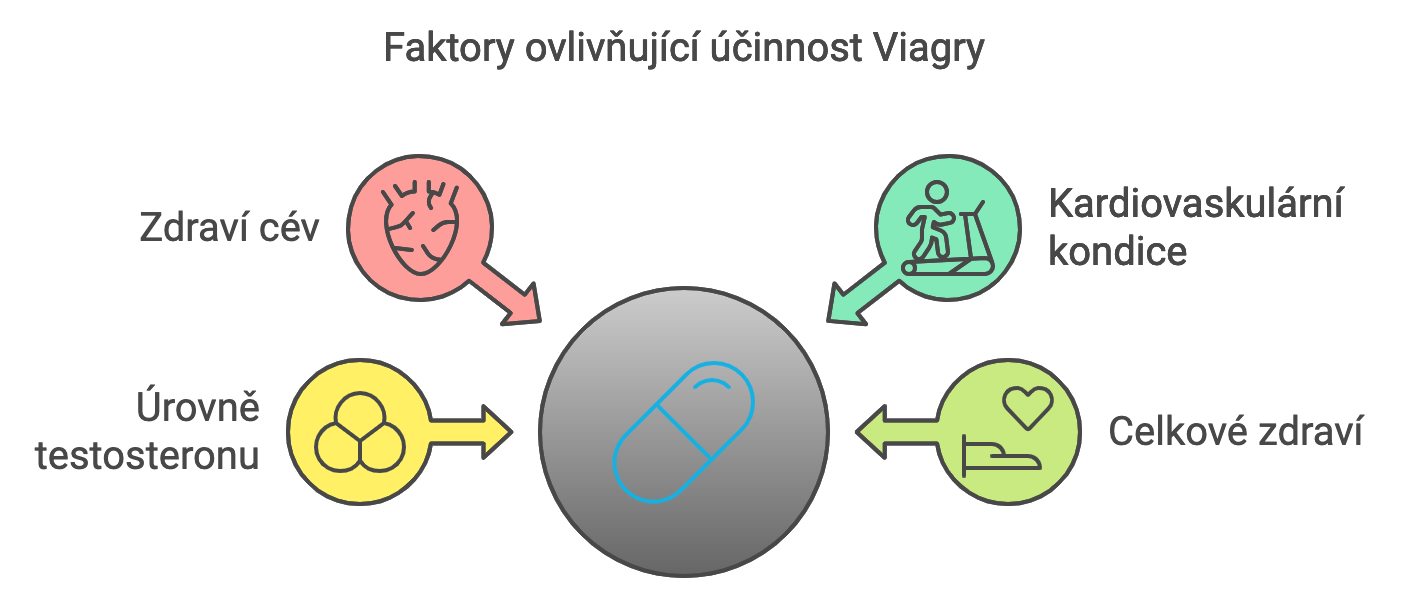
Medicines for erectile dysfunction, such as Viagra, do not always work, particularly if the lining of the blood vessels in the penis is severely damaged as a result of conditions such as long-term high blood pressure. In such cases, the vascular system may not be able to effectively synthesise nitric oxide (NO), which is essential for Viagra to work. Viagra and similar medicines do not increase sexual desire or libido; the real factors that contribute to increased sexual desire are general health, cardiovascular fitness and testosterone levels.
In a placebo-controlled study of Viagra, 84 per cent of 500 men reported improved sexual function; however, on average, the men achieved a fully rigid erection only four times a month. This suggests that the effectiveness of Viagra is limited by health issues related to poor NO production and unhealthy habits, such as a lack of exercise and poor nutrition.
Conclusion
Does an erection last a lifetime? Many bodily functions slow down with age, and although the ability to achieve an erection may become slower and more difficult with age, there is no physiological reason why a healthy man should be unable to achieve an erection in later life. Much depends on a man’s overall health and, in particular, his vascular health. If the ageing of the blood vessels is minimised or slowed down, the blood vessels can continue to produce NO throughout a man’s life, meaning he retains the ability to achieve an erection.
Men on the Greek island of Ikaria, who commonly live to the age of 90 and beyond, demonstrate that it is possible to achieve an erection even at an advanced age. A study of men aged between 65 and 100 showed that 80 per cent of them have sex regularly, with 25 per cent reporting ‘good duration and success’. Their secret lies in physical activity, avoiding stress and maintaining a healthy weight. Their diet, similar to the Mediterranean diet, focuses on fruit, vegetables and fish, with no processed foods or sugar, which supports NO production and improves erectile function.
To summarise this article, we arrive at five supplements which, according to studies and evidence, have been investigated in relation to erectile function, vascular health or nitric oxide production. It’s certainly easier to order some dubious supplement online that promises to boost your libido or support erections. But play it safe, steer clear of this trend and stick to what’s been proven to work:
Omega-3 fatty acids can help improve blood flow and support erections.
L-arginine is an amino acid that can support the production of nitric oxide and improve blood flow to the penis.
L-citrulline is converted into L-arginine in the body and helps trigger an erectile response.
A vitamin D deficiency may be a risk factor for erectile dysfunction
Folic acid – low levels of folic acid reduce blood flow to the penis
A healthy lifestyle, including regular exercise and a balanced diet, is essential for optimising cardiovascular health and testosterone production, which are key factors in improving sexual health and overall quality of life.
GENERALLY SPEAKING, HERE IS the best possible ‘supplement’ you can take for your sex life: lifestyle changes. A healthy diet, regular exercise, good sleep habits and lower stress levels lead to improved health, as you’ve heard a million times before.
Sources:
Katsiki N, Wierzbicki AS, Mikhailidis DP. Erectile dysfunction and coronary heart disease. Curr Opin Cardiol (2015) 30(4):416–21. Doi
https://www.hopkinsmedicine.org/health/conditions-and-diseases/erectile-dysfunction
https://www.mayoclinic.org/diseases-conditions/erectile-dysfunction/symptoms-causes/syc-20355776
https://my.clevelandclinic.org/health/diseases/10035-erectile-dysfunction/management-and-treatment