


Amino acids are the basic building blocks of proteins and play a crucial role in human nutrition. It is important to realize that it is not the proteins themselves that are essential for our body, but rather the amino acids that make up the proteins.
In the context of human nutrition, we recognize approximately 20 amino acids, nine of which belong to the so-called essential amino acids, which our body cannot produce on its own and must be obtained through diet.
The remaining eleven amino acids are often referred to as "non-essential," but this label is not entirely accurate. Although these amino acids play an important role in our organism, the body can synthesize them from other sources, including other amino acids. There is also a third category, the "conditionally essential amino acids," which include, for example, taurine, glutamine, and arginine. These amino acids become essential in specific situations, such as extreme physical exertion, when the body cannot produce them fast enough.
From the perspective of building muscle mass, essential amino acids are the most important. For maximum muscle protein synthesis (MPS), you need to consume on average only 10 grams of essential amino acids, which corresponds to approximately 20 grams of a high-quality protein rich in essential amino acids, such as whey protein. This intake can also be obtained from common foods, for example, from about 85 grams of beef, fish, turkey, or chicken.
There is an ongoing debate among experts about whether amino acids in the form of dietary supplements are better than protein intake from whole foods. Some research suggests that the direct intake of amino acids may be advantageous for quicker access to nutrients, while others argue that proteins from whole foods provide a more comprehensive supply of necessary substances, including other important nutrients.
At first glance, it might seem that the direct intake of amino acids is more beneficial because it requires no digestion and is immediately available to the organism. Although it is true that digesting proteins from food, such as beef, can take four hours or more, research shows that this does not pose a significant problem.

A special category includes branched-chain amino acids (BCAAs), especially leucine, which plays a key role in the process of muscle protein synthesis. An intake of approximately 3 grams of leucine can trigger muscle protein synthesis. This means muscle mass growth, recovery, and muscle repair, even after the onset of the so-called "muscle full effect."
Leucine supports this process through the activation of the mTOR enzyme, which triggers a cascade of processes leading to muscle growth. The mTOR enzyme (mammalian target of rapamycin) is a key regulator of cell growth that helps manage protein synthesis and thereby supports muscle mass growth. It should be noted here that muscle protein synthesis occurs 24-48 hours after a workout. Therefore, it is not necessary to consume protein drinks immediately after a workout, as was once assumed.
Today, we have a wide range of amino acid dietary supplements available, from individual amino acids to complex protein preparations. Unlike in the 1970s, when mostly free amino acids in tablet form were available, today we have the opportunity to choose from various forms of supplementation that suit individual needs and preferences.
One supplement supplier for aminoxy.com even had a "private stash" of an amino acid supplement that they claimed duplicated the exact amino acid balance of breast milk. Hmm, interesting…
Amino Acids: The Key to Better Athletic Performance and Recovery
In the history of dietary supplements, there is an interesting story about Rheo H. Blair, who developed a special product containing amino acids in an exact ratio similar to breast milk. A composition similar to breast milk is significant because it provides an ideal balance of nutrients that supports optimal muscle growth and recovery, much like in newborns who require rapid growth and development. This dietary supplement reportedly offered exceptional effects of amino acids on muscle growth, comparable to anabolic steroids. Although Blair never sold this amino acid product commercially, his milk and egg protein product became legendary for its taste.
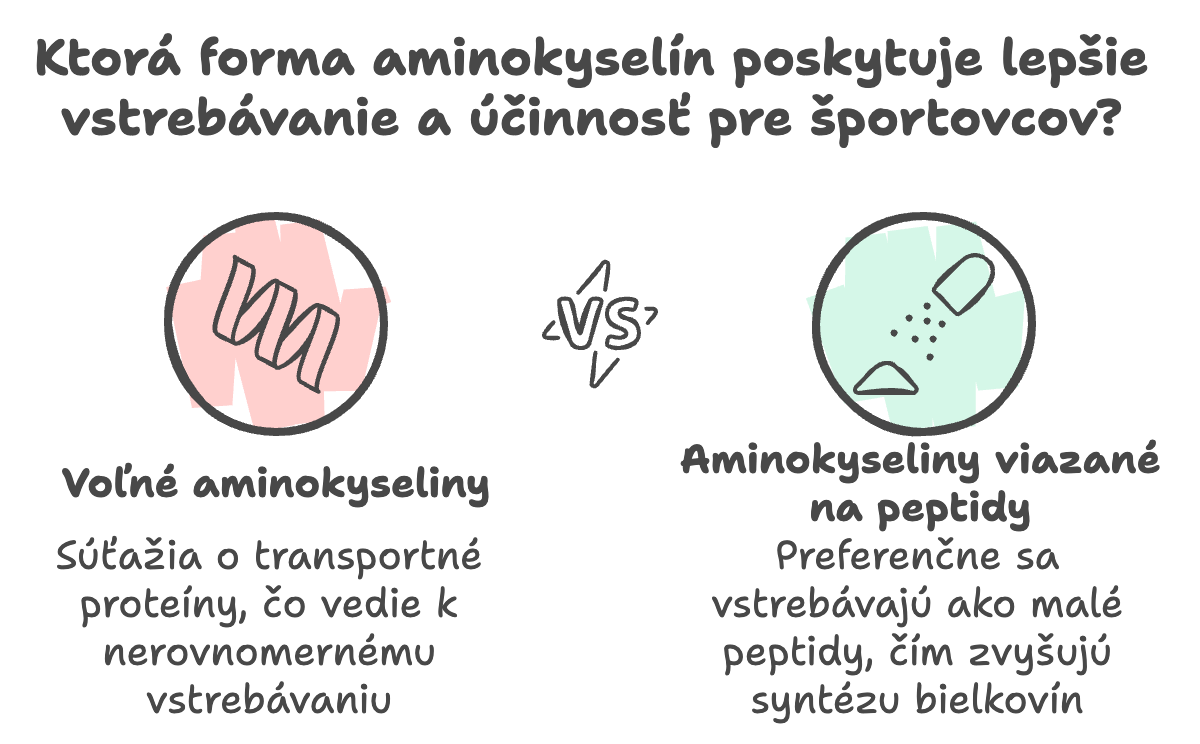
The key problem with Blair's product was the use of free amino acids. When we look at how amino acids work in the human body, we find that their absorption is a complex process. Free amino acids compete for specific transport proteins, such as albumin, which ensure their absorption into the muscles. Larger amino acids tend to "outpace" smaller ones, leading to uneven absorption and disruption of optimal amino acid dosing for athletes.
For more efficient absorption, it is better when amino acids are bound by peptide bonds into short chains. Peptide bonds (short bundles of amino acids) allow for faster and more efficient absorption of amino acids because the transport mechanisms in the intestines prefer small peptides over individual free amino acids. This method ensures a better role for amino acids in protein synthesis and muscle tissue recovery.
A frequent question is whether it is necessary to combine amino acids with classic whey protein. If you consume enough protein from high-quality sources, individual amino acids as a dietary supplement are usually not necessary. Branched-chain amino acids (BCAAs), containing leucine, isoleucine, and valine, are indeed important for metabolism and the energy cycle in muscles, but high-quality foods like beef, fish, and eggs naturally contain them in sufficient amounts. For example, 100 grams of beef or 3 eggs contain approximately 5 grams of BCAAs, which is sufficient for most basic needs.
However, there is an exception – during intense competition prep, when the body is at an extremely low fat percentage and the athlete is still performing aerobic training, BCAA supplementation (approximately 5 grams) can help protect muscle tissue. This is an example of how amino acids support health and performance in specific situations.
Regarding ergogenic effects, modern research focuses on how various amino acids like beta-alanine, taurine, or tyrosine can affect athletic performance and recovery. These insights are crucial for understanding the importance of BCAAs for athletes and fitness enthusiasts.
I also want to add that in almost all other cases, a BCAA supplement is not necessary if you consume enough protein within 24 to 48 hours after your workout. Proteins and amino acids are best known for their anabolic effects in muscles.
But do they also offer ergogenic effects, meaning that the use of certain amino acids allows you to train more intensely and recover faster after such intense training? Many amino acids are part of various "pre-workout" supplements, implying that they offer ergogenic effects. But what does the scientific literature say about this?
All amino acids in food can contribute to energy intake because they provide calories, but they are not the main source of energy, like carbohydrates or fats. A gram of protein contains 4 calories, which represents an energy source. However, using proteins or amino acids as a primary energy source is inefficient. The other two macronutrients – carbohydrates and fats – are much more direct and useful energy sources.
Of all three – proteins, carbohydrates, and fats – carbohydrates are truly the cleanest fuel and represent the preferred energy source for physical activity in the body, especially due to their rapid availability and ability to provide energy quickly. Despite this, there is no true human requirement for carbohydrates. Although the body can produce glucose from other sources, carbohydrate intake can simplify energy supply and support physical performance. How is this possible, especially considering that glucose, the circulating carbohydrate in the blood, is the primary energy fuel for the brain? The body has mechanisms to maintain a stable glucose level even with low carbohydrate intake, for example, through gluconeogenesis.
The reason carbohydrates are not essential in human nutrition is the ability of our organism to produce glucose in the liver through a process called gluconeogenesis. This process involves the conversion of amino acids, lactate, and glycerol directly from fats into glucose. So, the idea that you can ultimately deplete the body's stores of glucose or carbohydrates, as is often stated on the internet, is therefore nonsense.
Why use protein or amino acids as an energy source when cheaper options like carbohydrates and fats are available? The truth is that the only time proteins or amino acids are used as an energy source is during prolonged activity, such as long-distance running or exercise lasting more than three hours. The role of amino acids in protein synthesis then changes, and they begin to be used as an energy source when other energy stores are depleted, mainly glycogen or stored carbohydrates in the liver and muscles. Those who follow endurance events can visibly observe the effects of glycogen depletion when athletes "hit the wall" (which means a sudden depletion of energy leading to a significant loss of physical ability to continue the activity).
This refers to a loss of mobility where the athlete appears close to collapsing. Today, we don't see this as often as in the past because athletes have become smarter about nutrition and know how to properly fuel for long distances or endurance events. When glycogen levels are depleted during prolonged activity, the energy contribution from proteins or amino acids is only 10 to 15%. This is not enough to significantly impact athletic performance, but it is enough to induce catabolic effects in the muscles (meaning the breakdown of muscle tissue to release energy).
So while amino acids are ergogenic simply because they contain calories, they are not ergogenic in the traditional sense. They do not provide an increase in exercise performance that goes beyond merely increasing calories. Or do they? If you look at the composition of almost every "pre-workout" supplement, you will often find certain amino acids. They are certainly not there without reason. The importance of BCAAs for athletes is confirmed by research, which shows that certain amino acids, such as leucine, provide ergogenic activity exceeding their caloric content. These amino acids can influence processes such as the release of neurotransmitters in the brain, which can affect feelings of energy and workout intensity.
Some physiologists suggest that feelings of fatigue during exercise do not originate solely in the muscles, as it might seem, but also originate in the brain. (Supported by scientific studies, e.g., Noakes, 2012). This phenomenon is known as the Central Governor Theory, which explains that the brain regulates exercise intensity to protect the body from potential damage due to excessive exhaustion. According to this theory, prolonged muscle fatigue is transmitted to the brain via the central nervous system. The brain subsequently induces intense feelings of fatigue and the sensation that the muscles are failing. As a result, the ability to contract muscles is weakened because the brain reduces the neural signals directed to the muscles to minimize the risk of damage from exhaustion. This mechanism is considered a protective response of the body to prevent serious injury if physical activity were to continue in a state of high fatigue. The significance of powdered amino acids lies in the fact that many brain neurotransmitters, such as serotonin or dopamine, are synthesized directly from amino acids.
So the idea that you can definitively run out of glucose or carbohydrates, as is often stated on the internet, is nonsense.
A good example is the relationship of the essential amino acid L-tryptophan to the neurotransmitter serotonin. Tryptophan is a direct nutritional precursor in the synthesis of serotonin (i.e., the substance from which serotonin is produced in the body). Although serotonin is produced in both the gut and the brain, its most well-known effects manifest in the brain. These effects include a reduced craving for carbohydrates and a relaxing effect. Serotonin is involved in the sleep process. This is the basis of the old tale about how eating turkey on Thanksgiving can induce sleepiness. It is caused by the tryptophan content in turkey. However, this notion is often considered a myth.
Branched-chain amino acids (BCAAs) come into play because they compete with tryptophan for the amino acid protein carriers that allow entry into the brain. Because BCAAs have a larger structure than tryptophan, they dominate over tryptophan when entering the brain. This is the same "turnstile effect" we have discussed before. The net effect is that consuming BCAAs before a workout will reduce feelings of fatigue during prolonged exercise. BCAAs reduce feelings of fatigue by blocking the entry of tryptophan into the brain, thereby reducing the production of serotonin, which can contribute to a feeling of fatigue. However, more recent studies have challenged this idea. Studies show that consuming BCAAs before training will have little or no preventive effect on fatigue during prolonged exercise.
Some amino acids can improve athletic performance. But not all of them have this effect. Most substances in sports supplements, such as Tribulus terrestris or maca, have no scientifically proven effects. Manufacturers often use exotic-sounding names just to make the label look interesting. The problem is also that exact amounts of the substances are not listed on the packaging. Instead, they are hidden under the label "proprietary blend." These blends usually contain such small amounts of substances that they cannot have any effect. This also applies to the aforementioned amino acids.

What properties does L-arginine have?
The amino acid arginine is often found on the labels of sports dietary supplements. Arginine is added for two reasons:
It can support the release of growth hormone, which plays a key role in muscle growth and post-exercise recovery, and
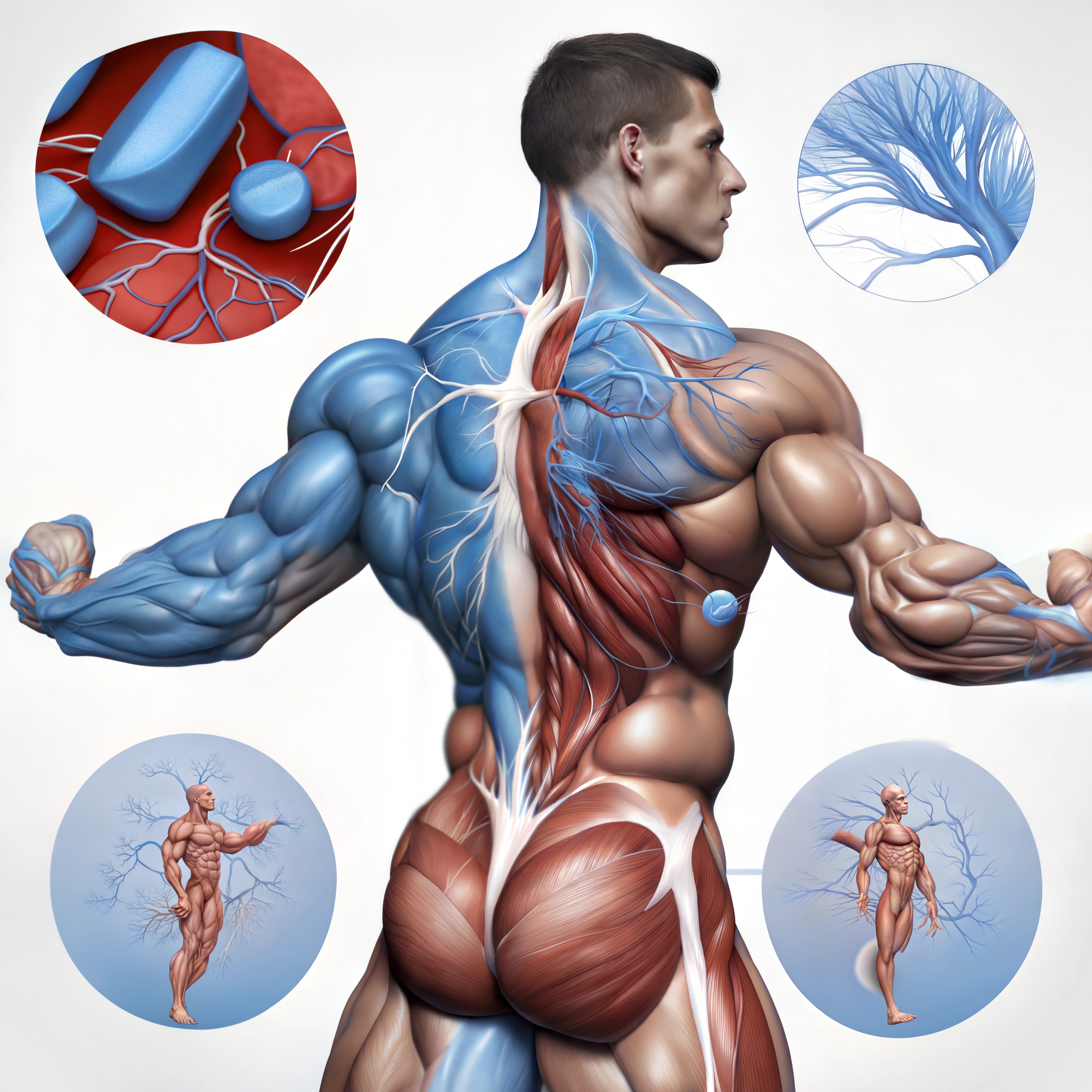
it is a direct nutritional precursor for the synthesis of nitric oxide (NO), which promotes vasodilation (blood vessel expansion), thereby improving blood flow and nutrient delivery to working muscles during training.
On the other hand, for arginine to be effective for one or both of these effects, it would have to be provided in relatively large doses that significantly exceed what is usually provided in dietary supplements. For example, the dose of arginine needed to support growth hormone release is 30 grams. However, ingesting more than 10 grams of arginine orally often causes nausea and vomiting.
The 30-gram doses of arginine used to support growth hormone release are administered intravenously (injected into a vein). This dose of arginine is so effective in producing growth hormone that it is used as a provocation test for growth hormone function. If this large dose of arginine fails to promote growth hormone release, you are considered growth hormone deficient.
Regarding NO synthesis, if you got enough arginine into your blood, it would undoubtedly be converted into NO (nitric oxide) by NO synthase enzymes that exist in the endothelium or lining of blood vessels. The problem is that only about 40% of an oral dose of arginine reaches the blood. The rest is rapidly broken down in the liver and intestines.
For this reason, another amino acid, citrulline, is a more reliable precursor for NO. Citrulline is more effective because it can bypass the intestinal barriers that break down ingested arginine, and is subsequently converted back into arginine in the kidneys. It can then enter the bloodstream and be converted into NO. Beetroot juice and other plant sources provide nitrates, which can also first be converted into nitrites and then into nitric oxide in the gut, making them again a much more reliable precursor of Nitric Oxide (NO) than pure arginine.
Arginine, in addition to being the primary nutritional precursor for NO synthesis, also plays a role in the metabolism of glutamine, another amino acid, as well as polyamines, which serve to stabilize DNA, thereby maintaining cellular integrity and preventing the formation of tumors arising from DNA mutations. Polyamines are also involved in gene regulation, immune function, and the maintenance of intestinal cells.
Arginine is also one of the three amino acids (the others being methionine and glycine) that are precursors for the synthesis of creatinine in the body. The body produces approximately one gram of creatinine daily in the liver, pancreas, and also in the kidneys. Arginine is also a precursor to agmatine, a substance often included in pre-workout formulas because it is said to support nitric oxide synthesis. However, it should be noted that the effects of agmatine on NO synthesis are not fully confirmed and require further scientific research.
Arginine is considered ergogenic due to its role in NO synthesis, which in turn would increase the supply of blood, nutrients, and oxygen to working muscles. Its growth hormone-releasing effect would also qualify it as an ergogenic aid. However, this is unlikely with standard doses of arginine taken orally.
The average dietary intake of arginine is 5 grams per day. As mentioned earlier, the main problem with oral arginine intake is that 40% of the ingested dose is broken down in the small intestine by the enzyme arginase. The remaining 60% of oral arginine enters the portal circulation to be processed by the liver.
Arginine is not considered an essential amino acid because it can be produced in the body from other amino acids. For example, arginine can be synthesized from glutamic acid, glutamine, and proline, and these sources will provide an average of 1.5 grams of arginine daily in an 80kg person. Most people produce about 4.5 grams of arginine daily from various food sources as well as from the synthesis of other amino acids. Of this 4.5 grams of arginine, approximately 2.3 grams are used for the synthesis of creatinine in the liver and kidneys.
Arginine is considered a "conditionally essential" amino acid, because under certain conditions, more arginine may be needed than can be synthesized in the body. For example, as we age, a byproduct of arginine metabolism called ADMA (asymmetric dimethylarginine) is produced in higher amounts. The problem is that ADMA looks like arginine but cannot perform the functions of arginine. When it exists in larger amounts, it can displace arginine in the body, leading to a decrease in nitric oxide production, which is important for vasodilation and blood pressure regulation. This would result in effects such as lower nitric oxide production, which can lead to higher blood pressure.
The solution, however, is simple. By taking an arginine dietary supplement, the imbalance between arginine and ADMA is corrected. Although increased ADMA production does not occur in everyone over the age of 40, it does not hurt to ensure a little extra arginine if signs of elevated ADMA appear, such as an increase in blood pressure with age. When ingesting larger amounts of arginine, such as over 10 or 15 grams, 80% of the ingested dose is broken down by an enzyme called arginase. But this still leads to the production of urea and ornithine.
Research shows that arginine reduces the adhesion of blood platelets to blood vessel walls. Platelets are clotting factors in the blood. They are associated with the formation of internal blood clots. These can cause heart attacks and strokes.
The formation of nitric oxide (NO) via arginine improves cardiovascular health, leading to better blood flow. This enhances exercise performance because the muscles receive more oxygen. A recent study found that arginine activates the mTOR protein, which controls muscle protein synthesis. mTOR (mechanistic Target of Rapamycin) is a key regulatory molecule that supports muscle growth and recovery. However, this effect is weaker than with leucine.
Arginine also helps in the formation of collagen. Collagen is the main protein of connective tissue. Thanks to this, connective tissue becomes stronger and heals better. If arginine supports the release of growth hormone, it can significantly improve the healing of connective tissues. Elite athletes use growth hormone primarily for the protection and healing of connective tissue. This mainly involves joints and ligaments. Research also shows that arginine increases fertility in both men and women.
Less known is the effect of arginine on body fat loss. Scientists first observed arginine in animal studies. Not all animal studies apply to humans, because physiological differences between animals and humans can affect how substances work in their bodies. But human studies have confirmed that arginine supports fat loss, especially around the waist. In one study involving 40 women, the participants took 9 grams of arginine daily. The results showed a significant reduction in both visceral fat and subcutaneous fat in the abdominal area. The study lasted 12 weeks, and its results show a significant effect of arginine on the reduction of fat reserves.
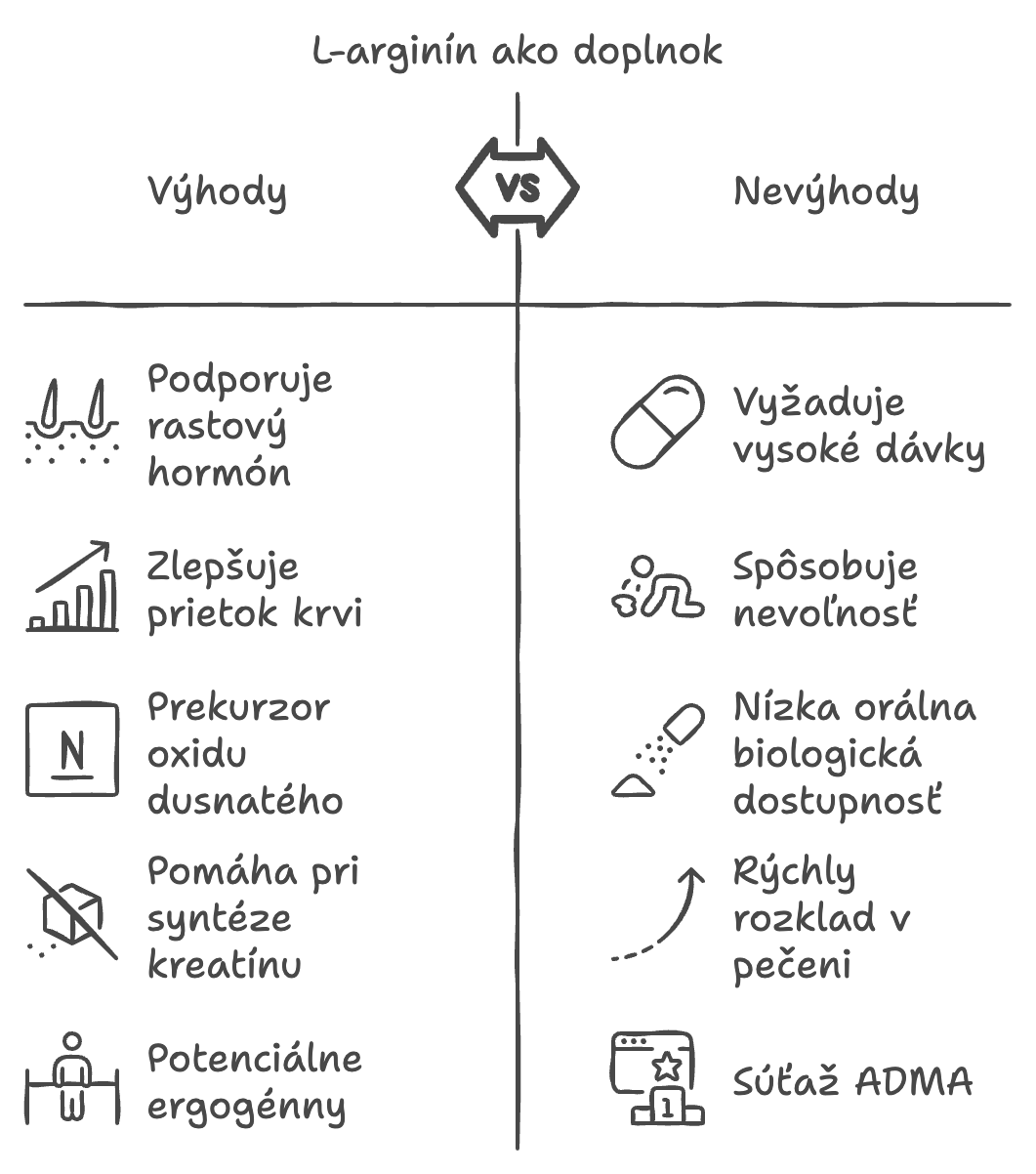
Although localized fat reduction does not exist, the fat loss in the abdominal area was more pronounced. However, overall body fat also decreased. The authors of the study attributed the fat loss to increased NO (nitric oxide) production and elevated growth hormone. However, at a dose of 9 grams, this is unlikely because orally administered arginine is rapidly broken down in the body by the enzyme arginase, which limits its ability to significantly increase growth hormone levels.
A more realistic explanation is that arginine supported the production of PGC1-A. This is the main switch in the body that promotes the formation of new mitochondria in cells. ATP energy is produced and fat is burned in the mitochondria. More mitochondria mean better fat burning. Arginine also supports the AMPK enzyme, which increases fat burning in muscles. Higher doses of arginine (15-30 grams) reduce the level of free fatty acids and glucose in the blood.
Based on this information, arginine should clearly be ergogenic (i.e., a substance that increases physical performance). However, human studies do not confirm this. Despite being the main precursor to nitric oxide (NO), almost no study has proven that oral use increases nitric oxide. Only one study involving bicep exercises showed better blood flow in the muscles after taking arginine. In this study, 15 men took 6 grams of arginine before a workout. The men had better blood flow to the trained muscle. This means a bigger pump, for which NO supplements are so popular.
Arginine was previously popular for its ability to release growth hormone. Durk Pearson and Sandy Shaw contributed to its popularity with their 1982 book Life Extension. Durk Pearson and Sandy Shaw are biochemists and authors of popular books on health and longevity who promoted various supplements and methods for improving physical and mental performance. They based this on medical evidence - intravenous doses of 30 grams of arginine indeed released growth hormone. This was used as a test for growth hormone deficiency. Bodybuilders tried to mimic this test by orally taking 30 grams of arginine. However, this only caused diarrhea. Water was drawn into the intestines due to the high concentration of the amino acid L-arginine.
Further experiments showed that most people can tolerate a dose of up to 15 grams of arginine without side effects. Some studies showed a 5-fold increase in growth hormone at such high doses. However, it did not work for everyone. The problem is that a lot of arginine is broken down in the gut by the enzyme arginase. Several studies attempted to replicate the effect of intravenous arginine (injection into a vein) through oral administration. Almost all results showed little to no effect on growth hormone release.
One study found that taking arginine before training actually blocked the normal release of growth hormone during exercise. It only increased it after the workout. This could have been caused by an increase in fatty acids in the blood. These, like high glucose levels, block the release of growth hormone.
Other studies on the ergogenic effects of arginine are difficult to evaluate because they used arginine with other substances. Only nine studies examined arginine alone. Only one study showed an improvement in performance. In this study, 9 elite wrestlers took a single dose of 0.15 grams of arginine per kilogram of body weight an hour before a cycling-to-exhaustion test. This dose would mean that a 90-kilogram wrestler ingested 13.5 grams of arginine, which is a significantly large dose, as it exceeds the commonly recommended amount for safe use and can cause side effects such as nausea and digestive problems. The results of the study showed that ingesting arginine prolonged the time to exhaustion by 5.8% compared to those who took a placebo.
So, based on the existing medical literature, it seems that arginine may show certain benefits as an ergogenic aid. However, for the purpose of increasing NO synthesis, you would be better served by taking 6 to 8 grams of citrulline (see later) or 6 grams of beetroot concentrate. Citrulline and beetroot concentrate provide a better pathway to NO synthesis because citrulline is converted into arginine in the kidneys and subsequently increases NO levels more efficiently, while beetroot contains nitrates that directly participate in NO formation. Both substances provide a much more direct pathway to nitric oxide (NO) synthesis.
Regarding the maximum safe dose of arginine, a recent study [ref] McNeal, CJ, demonstrated the safety of arginine dietary supplements in adults. "Amino Acids 2018: In press" examined this issue in adults. The study tested people by administering various oral doses of arginine and found that the range of 15 to 30 grams is safe. The study involved 60 adult volunteers divided into groups based on dosage. The results showed that these doses were generally well tolerated, with side effects, such as nausea and diarrhea, appearing only at higher doses. However, they recommended that if you decide to take larger doses, it would be wise to divide the total dose into smaller doses to avoid side effects like nausea and diarrhea. The study suggested taking two oral doses of 15 grams of arginine daily.
The primary reason elite athletes use growth hormone is not to build muscle mass, but rather for the protection and healing of connective tissue, such as joints and ligaments.
However, this dose of arginine will still cause side effects in a large percentage of people. For those who experience such side effects, it would be better to take 10 grams three times a day. The 10-gram dose is precisely the dose that one study showed to most reliably increase growth hormone release. On the other hand, for this to work, you would not be allowed to consume any carbohydrates, fats, or even proteins with the arginine, because these macronutrients can slow down the absorption of arginine and reduce its concentration in the blood, thereby reducing its effect on nitric oxide synthesis. This is a very unlikely scenario.
Does Glutamine have anabolic effects...?
Of all the amino acids, glutamine has the most pronounced ergogenic effects. It belongs to the conditionally essential amino acids, similar to arginine. Unlike essential amino acids, which we must obtain through diet, the body can produce glutamine on its own. However, under heavy physical load, it needs it in increased amounts, much like BCAAs (branched-chain amino acids).
Glutamine was an unknown amino acid until about 30 years ago. At that time, it began to appear in dietary supplements for bodybuilders and strength athletes, often combined with other amino acids for muscle growth. It became popular due to its regenerative effects and ability to support the immune system after intense training, which athletes perceived as crucial for improving their performance and speeding up recovery. Manufacturers of glutamine published articles about its ability to strengthen a weakened immune system after overtraining or intense exercise.
Glutamine naturally occurs in muscles in large quantities, similar to leucine, isoleucine, and valine. This led to the assumption that it plays an important role in muscle function and perhaps in muscle protein synthesis because high concentrations of glutamine in muscle tissues suggest its involvement in muscle recovery and growth processes. Glutamine can transport nitrogen between amino acids. This is significant because nitrogen distinguishes proteins from carbohydrates and fats.
Glutamine is the main energy source for the cells of the small intestine, where most nutrients, including amino acids from food, are absorbed. These cells regenerate every three days and use glutamine to create new cells. This is crucial for the proper absorption of all amino acids, vitamins, and minerals. The healthier the gut, the better it absorbs nutrients. Glutamine also helps maintain acid-base balance. Uncontrolled acidosis can be life-threatening.
The first use of glutamine was in critically ill patients in hospitals. Doctors found that it helps preserve nitrogen in the body, which is important because nitrogen is a key component of proteins. Preserving nitrogen prevents the breakdown of muscle tissue, which is essential for maintaining muscle mass and the overall recovery of critically ill patients. Excessive loss of proteins or nitrogen rapidly leads to death, which is a common cause of mortality in patients with severe burns. Later, it was shown that other amino acids, like L-carnitine, play a similar role in tissue regeneration.
Doctor Scott Connelly, who worked in an intensive care unit in Northern California, noticed this effect of glutamine on preserving muscle proteins. As an amateur bodybuilder, he knew the importance of amino acids for athletes. He developed a functional food, allegedly for hospital patients, but he was actually targeting the bodybuilding supplement market. It was sold on the market as a "meal replacement" under the name Met-Rx.
The original Met-Rx was sold in two large unmarked cans. Similar to today's powdered amino acids, it was mixed with water. It tasted good, which I can confirm because I received and tried a prototype of the product.
I tried the prototype of the two-can version and lost 16 kg with minimal loss of muscle mass. I used the product twice a day for three months while following a regular training plan focused on strength exercises and cardio. This combination of the supplement and training regimen was key to achieving results. However, when Met-Rx later went into commercial production, it no longer had any effect. This led me to conclude that the prototype contained something that was removed from the commercial product. For three months, I lived exclusively on the original Met-Rx without real food, except for fiber, which Met-Rx did not contain. What I remember most vividly is the suppression of appetite while using Met-Rx. This effect no longer appeared in the commercial version. Glutamine was considered the magic ingredient in Met-Rx. However, taking glutamine alone as a dietary supplement never reduced my appetite, so the effect from the Met-Rx prototype never appeared in any other version of the product.
Given glutamine's ability to maintain gut integrity and its role in muscle protein synthesis, it would seem to be an ergogenic amino acid. However, what works in theory may not work in practice, which seems to be the case with glutamine. One study found that 2 grams of glutamine in middle-aged men significantly increased growth hormone release 90 minutes after ingestion. The study included 20 middle-aged men monitored under controlled conditions, with growth hormone release measured using blood tests. Specifically, the amount of growth hormone released was four times higher than the baseline level. However, this effect only appeared in four study participants, and the amount of hormone released was lower than after a normal strength training session. An hour of training increases growth hormone levels 20-fold! Nevertheless, supplement manufacturers seized upon this study and began promoting glutamine as a "growth hormone trigger," which is not entirely true.
Other studies suggested that glutamine might jump-start the restoration of glycogen in muscles. This was also tested in training individuals. Participants received a dose of 0.3 grams of glutamine per kilogram of body weight. This means 27 grams of glutamine daily for a 90-kilogram man, which is not much less than hospital patients received (an average of 30 grams intravenously). The studies investigated whether supplemental glutamine supports muscle protein synthesis and increases the rate of muscle glycogen recovery after training. However, neither of these effects materialized. Critics of the studies claimed that glutamine did not work because the men in the studies did not train intensely enough. They noted that glutamine works best when the body is under severe stress, for example during heavy or intense training, which was not indicated in these studies.

Other studies that tested performance after taking glutamine also found no significant benefits. However, again, they only provided small doses of glutamine, averaging 2 to 3 grams. The problem is that orally ingested glutamine is often "stolen" by the cells of the intestinal lining, which use it as their main energy source. When this happens, little or no glutamine reaches the blood and muscles. This would theoretically explain why the studies showed no effects.
One study, however, provided higher doses of glutamine – 0.9 grams per kilogram of body weight to six young men engaged in strength training. The study lasted 8 weeks and involved 12 young men who regularly engaged in strength training. Besides glutamine, the men also took creatine and ribose. The training plan included exercising three times a week, measuring increases in muscle mass and strength. Despite this, they showed no increase in muscle mass or strength beyond the placebo group. Another study that provided 0.03 grams of glutamine for three months to military police officers also showed no ergogenic effects.
Since immune cells also use glutamine as an energy source, it would certainly help maintain immune functions in hard-training athletes and bodybuilders, right? However, the existing evidence does not show a significant effect here either. On the other hand, recent studies show that glutamine reduces intestinal permeability in athletes in hot conditions. This is an important effect because increased intestinal permeability is associated with systemic inflammation and other problems.
Glutamine became the victim of overly enthusiastic marketing by supplement manufacturers, who often presented it as a key supplement for muscle growth and improved recovery, for example with claims about its ability to dramatically increase protein synthesis and strengthen the immune system. However, these claims were not always supported by credible scientific studies. In most cases, it is not a necessary supplement for building muscle or strengthening immunity. If you do not suffer from severe overtraining, adding glutamine will change nothing. The good news is that glutamine is not very toxic. Extremely high doses could increase ammonia levels in the blood, but this does not happen with standard supplement use. If you take it, keep in mind that it breaks down in liquids after about an hour.
One more thing about glutamine: When researchers found that glutamine breaks down in liquid solutions, they started supplying it in a complex with another amino acid, alanine. Alanine helps stabilize glutamine by reducing its breakdown in solution, thereby increasing its bioavailability and absorption efficiency into the body. This dipeptide combination remained stable in solution and may also provide increased absorption of glutamine compared to the free form (224% higher absorption into the blood). There are not yet many studies comparing the free form of glutamine with the dipeptide version, but those that exist have shown better performance effects with the dipeptide version. Since some studies also found that glutamine can dampen the activity of both myostatin and cortisol in muscles, it could still be useful for those engaged in very intense training.
Citrulline: A mysterious amino acid for athletic performance...?
When I first wrote about citrulline in the original version of Applied Metabolics in 1997, it was completely unknown in the bodybuilding and sports world at the time. In that short article, I suggested that citrulline could prove to be a more reliable source of nitric oxide synthesis than arginine. Citrulline is better absorbed and bypasses the intestinal barrier, allowing for its more efficient conversion into arginine in the kidneys, which leads to higher nitric oxide production.
Time and countless studies have proven my assumption to be correct. Before discovering that citrulline is a good precursor for nitric oxide synthesis, biochemists knew it primarily as a participant in the urea cycle. The urea cycle involves the conversion of toxic ammonia into urea, which is then excreted by the kidneys. This process is important for safely removing excess nitrogen from the body and maintaining metabolic balance. This cycle involves the formation of urea from ammonia, which is created by the breakdown of amino acids in the liver. While ammonia is toxic, urea is merely a nitrogen waste product that the kidneys easily excrete. The urea cycle represents the main pathway by which the body safely eliminates the byproducts of protein and amino acid metabolism. Citrulline plays an important role in this process, specifically in the third step of converting ammonia to urea.
In the 1980s, scientists discovered that citrulline is also produced in the human gut. It is not an essential amino acid because the body can produce it on its own. On the other hand, newer studies have found that citrulline affects muscle protein synthesis, meaning it could have an anabolic effect in muscles. A 2015 study, which included 30 healthy adult participants, indeed found that citrulline increased mixed muscle synthesis in the body by up to 25 percent. Participants were divided into two groups, with one group given citrulline and the other a placebo. The study ran for 8 weeks, with participants regularly performing strength exercises. However, keep in mind that mixed muscle synthesis refers to protein synthesis in tissues and organs throughout the body, not just in the muscles!
A study published in 2006 brought a surprising result when healthy young adults were given doses of 3 to 9 grams of citrulline. The study participants underwent a graded treadmill run to exhaustion, with the pre-study hypothesis assuming that citrulline would have an ergogenic effect. However, compared to the placebo, those who took citrulline showed impaired performance. The explanation provided by the study's authors was scientifically nonsensical. They suggested that citrulline increased insulin breakdown in the blood, noting that those taking citrulline had lower blood insulin levels. This makes no sense because other studies show that citrulline does not block insulin release, but rather supports it. Other studies also showed little or no ergogenic effect when citrulline was administered in doses of 3 to 9 grams.
One of the problems with these studies that showed no effect of citrulline was that its administration was too short-term. Studies in which citrulline was administered for at least a week showed an average performance increase of 12 percent or more, specifically during high-intensity exercise. Even low doses of citrulline, just 2.4 grams, led to reduced muscle fatigue and faster race times when taken for several days.
Other studies have shown that taking citrulline before exercise or a sports competition maintains blood flow in the internal organs and intestines. This is important because reduced intestinal blood flow tends to cause a loss of intestinal cell barrier integrity, leading to weakness, fatigue, and nausea. Under normal circumstances, during exercise, blood is redirected from the intestines to the muscles and lungs, thereby reducing blood flow in the intestines. This is one reason why a meal right before a workout provides no energy or nutrients. Since blood is redirected from the intestines to the muscles during exercise, any food you eat right before training is not fully digested and more or less just sits there for the rest of the workout. Maintaining blood flow in the intestines is important because it ensures proper digestion and nutrient absorption. A lack of blood flow can cause digestive problems and impaired performance during exercise. In many cases, it can cause nausea and vomiting if you train hard. A 2014 study found that taking 10 grams of citrulline before exercise or sport maintained blood circulation in the intestines during the training activity.
A 2006 study found that citrulline was more than twice as effective as arginine alone in increasing blood arginine levels four hours after ingestion.
A significant problem in evaluating citrulline as an ergogenic aid is that dietary supplements often combine it with malate. Malate is a natural substance that participates in the body's energy pathway for the production of ATP, the most basic form of cellular energy. This raises the question of how much of the ergogenic effects are produced by citrulline compared to malate. Some studies indeed show that the intake of citrulline malate provides better ergogenic effects during endurance training compared to the intake of citrulline alone.
A 2002 study involving 15 participants found that administering 6 grams of citrulline malate for 16 days led to a 34% increase in the rate of oxidative ATP production and a 20% increase in the rate of creatine recovery in muscles after training. The participants performed moderate training that included basic lower-body exercises. However, the "exercise" used in this study only involved bending fingers – which is not very applicable to most training routines! A 2010 study showed that administering 8 grams of citrulline malate (CM) increased work capacity by 19% compared to a placebo group, based on the number of repetitions completed to exhaustion during strength training. A newer study published in 2015 found that administering 8 grams of citrulline malate to women involved in strength training increased upper body performance by 6% and lower body by 20% compared to a placebo group. Similar positive effects of citrulline malate were also found in a study with men.
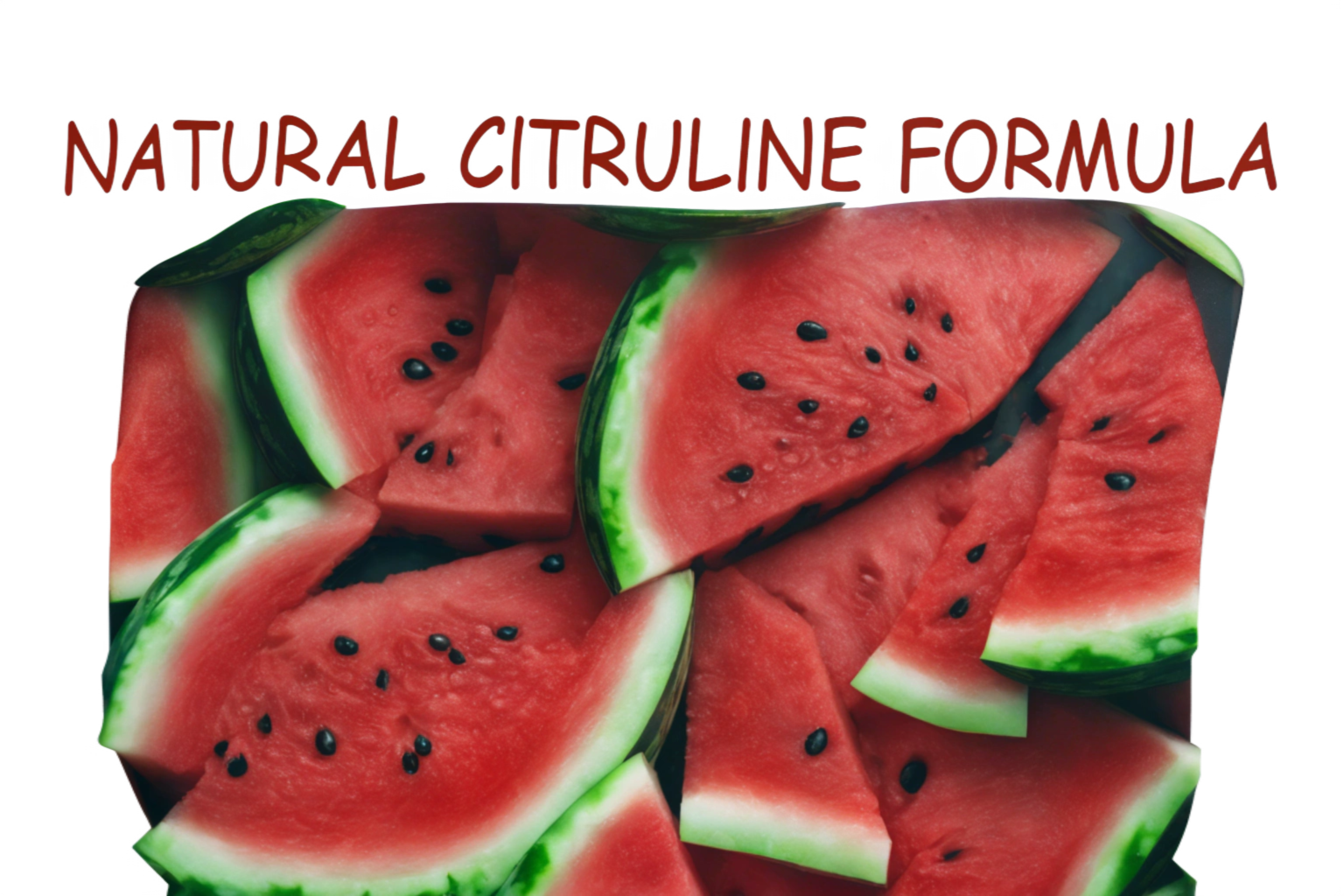
Citrulline works because it increases nitric oxide production more efficiently than arginine. As mentioned earlier, the problem with oral arginine is that only 40% of the oral dose can reach the blood through significant barriers in the gut, such as the enzyme arginase, which breaks down arginine. But when you ingest citrulline (the main natural source is watermelon, from which the word "citrulline" is derived), it bypasses the intestinal barriers and is converted back into arginine in the kidneys. It then enters the blood and is rapidly converted into nitric oxide.
A 2006 study found that citrulline was more than twice as effective as arginine alone in increasing blood arginine levels four hours after ingestion. Another thing to keep in mind is that 1.76 grams of citrulline malate is equal to 1 gram of pure citrulline.
In the latest study on citrulline, which involved mice, a new ergogenic effect was discovered. Animal studies are often relevant because they help us understand fundamental mechanisms that may also be present in humans. However, results from animal studies may not always be transferable to humans due to differences in physiology and metabolism. The main finding was that administering citrulline to mice led to an increased production of PGC-1a, which is a major promoter of mitochondria formation in cells. Mitochondria are the parts of the cell where energy is produced in the form of ATP and where fats are oxidized. More mitochondria mean greater capacity for endurance exercise and overall health. In this study, mice received citrulline for 15 days, confirming that citrulline tends to provide greater ergogenic effects the longer it is used.
Mice given citrulline showed lower lactate levels and higher glucose levels after exercise (swimming). This indicates that citrulline reduced exercise-induced fatigue. Citrulline also increased angiogenesis, or the formation of new blood vessels, in mice, which also aided muscle endurance. The mice also showed an increase in muscle mass, which was attributed to increased PGC1a expression. A variant of PGC1-a called PGC1a-4 activates a gene in the muscle that promotes muscle growth. It also supports the activity of the anabolic hormone IGF-1 in muscles while dampening the release of myostatin, a protein that blocks muscle growth. Although this was a study on mice, all the mechanisms involved also exist in humans. If human studies confirm these initial results, it may turn out that citrulline is much more anabolic in muscles than previously thought.
On the other hand, another new double-blind, placebo-controlled human study of citrulline yielded disappointing results. The study involved 18 participants, 13 men and 5 women, all with at least six months of training experience. They received either 8 grams of citrulline malate or a placebo one hour before starting a workout called "German Volume Training" (GVT). GVT involves performing 10 sets of 10 repetitions. However, an interesting aspect of this study was that the exercise was performed on an isokinetic machine that simulated leg extensions. The intake of citrulline malate apparently brought no benefits over the placebo in terms of the number of completed repetitions or the alleviation of muscle soreness. In fact, those who took the actual citrulline malate supplement exhibited a higher degree of muscle soreness 72 hours post-workout.
An interesting aspect of this study was that various commercial dietary supplements containing citrulline malate were analyzed, and most of them did not contain the stated ratio of citrulline to malate, which is usually 2:1 in favor of citrulline. The analyzed supplements contained much less citrulline than stated on the product labels. For example, a 2018 study analyzed 10 commercial products and found that up to 70% of them did not contain the declared amount of citrulline, indicating unreliability in content labeling. This could partly explain why some studies examining citrulline malate as an ergogenic aid came to no conclusions. This is also a major problem in the entire sports supplement industry: robbing customers by not providing the doses listed on the product labels.
Based on existing research, it seems that citrulline is undoubtedly one of the most effective ergogenic amino acids. For the best results, however, it is necessary to take it in the range of 6 to 8 grams approximately an hour before training, and it works best with long-term use.
Here is a video that explains how citrulline works and some of its benefits: https://youtu.be/5W6CN5Lsd2Q
Is taurine an underrated amino acid...?
In this part of the aminoxy.com blog article, I will focus on taurine, which I consider the most underrated of all amino acids. The biochemical processes of energy metabolism show that, like glutamine and arginine, taurine is now recognized as a conditionally essential amino acid. This means that although the body can produce it, under certain conditions, such as increased physical exertion or stress, the production may not be sufficient to cover the body's needs. This new status is an improvement over its previous designation as a non-essential amino acid. It acquired this status because it can be synthesized in the body from other sulfur-containing amino acids, like cysteine. However, ongoing research into the molecular regulation of muscle growth has revealed that under many conditions, the body's production of taurine is insufficient to meet its needs.
The name "taurine" is derived from the Latin word "Taurus," meaning bull, as it was first isolated from ox bile. Cat owners will note that taurine is a part of all cat foods because it is absolutely essential for the health of cats' vision. It plays a similar role in humans, although due to its non-essential status, it is rarely discussed.
The intracellular signaling pathways of muscle cells utilize taurine as the most abundant free amino acid in muscles and the heart. Intracellular signaling pathways are communication systems within cells that transmit information needed to regulate cellular processes such as growth, metabolism, and response to external stimuli. It is not oxidized like other amino acids and is not involved in the structure of muscle proteins. Its main role is cellular signaling. For example, taurine creates an osmotic effect in cells, drawing water into the cell. This hydration effect triggers anabolic signaling in muscles, which can support muscle gains. It also participates in stabilizing cell membranes and maintaining the proper ratio of electrolyte minerals, such as calcium, magnesium, and sodium. For this reason, taurine is important for heart health, which explains its high concentration in the heart muscle.
When beta-alanine was first introduced to the dietary supplement market, concerns arose that it would interfere with the absorption of taurine into the heart. The reason for the concern was that beta-alanine and taurine share the same amino acid transport protein that allows them to enter tissues. Subsequent research, however, showed that any competitive inhibition between taurine and beta-alanine is unlikely unless extremely high doses of beta-alanine were ingested—for example, more than 10 grams per day. So far, such a problem has not occurred in any human taking beta-alanine supplements.
Adaptive mechanisms of muscle tissue show that taurine provides antioxidant activity and also regulates calcium release from a part of the muscle called the sarcoplasmic reticulum. Simply put, taurine is involved in the process of muscle contraction. Given these and other effects, it might seem obvious that taurine qualifies as a truly effective amino acid. But is it?
The optimization of sports performance through taurine supplementation is best known thanks to energy drinks like 'Red Bull'. Taurine in these drinks is not present to provide energy, but to balance stimulant ingredients, such as caffeine, and to support calming effects. The popular energy drink "Red Bull" derives its name from its taurine content. However, taurine is not in these drinks to provide energy, but rather to balance out the stimulant ingredients that actually provide the feeling of energy, like caffeine and others. Among its many effects is its interaction with GABA receptors in the brain. GABA is the main inhibitory neurotransmitter in the brain. It calms and promotes sleep. This is how most pharmaceutical sleeping pills work—by interacting with GABA receptors in the brain.
A systematic approach to sports supplementation shows that one can of Red Bull contains 1000 milligrams of taurine. By comparison, a 70kg person has 70 grams of taurine distributed throughout their body, with primary concentrations in the muscles, heart, and brain. Taurine is naturally found in most protein foods, including meat, fish, and eggs. Fish are particularly rich in taurine. Studies have shown that there is something more to fish than just omega-3 fatty acids that brings about health benefits.
Nutritional strategies for peak performance suggest that while some researchers attribute the mysterious health benefits of fish to a specific balance of amino acids that differs from other proteins like beef and eggs, the real "secret" of fish likely lies in the combination of omega-3 content and high amounts of taurine. Since taurine is found mainly in animal protein foods but is rare in vegan diets, its intake would likely bring real health benefits to vegans who avoid all animal-based foods.
Optimization of sports performance via supplementation shows that even though taurine is synthesized in the body from cysteine, the amount produced is much smaller than originally thought. Given how beneficial taurine is for the heart and muscles, it is not a bad idea for vegans who engage in intense exercise to include taurine supplements in their regimen.
Molecular regulation of muscle growth suggests that taurine may also be useful for those taking large doses of anabolic steroids. Preliminary animal studies show that when given high doses of anabolic steroids, comparable to what human athletes use, it can damage their testicles. The study involved 50 rats given high steroid doses for 8 weeks, allowing researchers to observe the long-term effects of dosing. However, when the animals were also given taurine, it completely protected their testicles from the steroid effects. This protection was attributed to taurine's anti-inflammatory and antioxidant properties.
When evaluating taurine's direct ergogenic potential, a few studies focusing on this aspect proved disappointing. One study published in 2010 provided 1.66 grams of taurine to athletes before a 90-minute cycling session. The group that took taurine showed no major benefits in various exercise tests compared to the placebo group. On the other hand, a 2013 study found that administering 1 gram of taurine two hours before a run to a group of middle-distance runners actually led to a slight improvement in running times compared to those who took a placebo.
Adaptive mechanisms of muscle tissue suggest that one problem with these studies was that they involved low-intensity exercise, which may not have placed enough stress on the muscles to demonstrate the full ergogenic effect of taurine. In addition, they supplemented taurine about an hour before exercise, which may not have been enough to reach its peak concentration in the blood. It takes up to two hours for taurine to peak in the blood, meaning the studies did not allow enough time to test taurine's full ergogenic effect. A 2014 study found that administering taurine at a dose of 50 milligrams per kilogram of body weight per day (4,500 milligrams for a 90kg man) for three weeks led to improved leg strength, as well as reduced delayed onset muscle soreness (DOMS). Those taking taurine (administered in four daily doses) also showed reduced markers of oxidative stress, which could explain the improved recovery after exercise and reduced muscle soreness.
A systematic approach to sports supplementation suggests that despite a lack of studies exploring the potential ergogenic benefits of taurine, given its effects on electrolyte regulation and cellular hydration, it makes sense that taurine provides certain ergogenic effects in muscles. But you certainly would not want to take massive doses of taurine before a workout due to the interaction between GABA receptors in the brain and taurine. This can lead to a relaxation effect that could reduce your ability to train intensely.
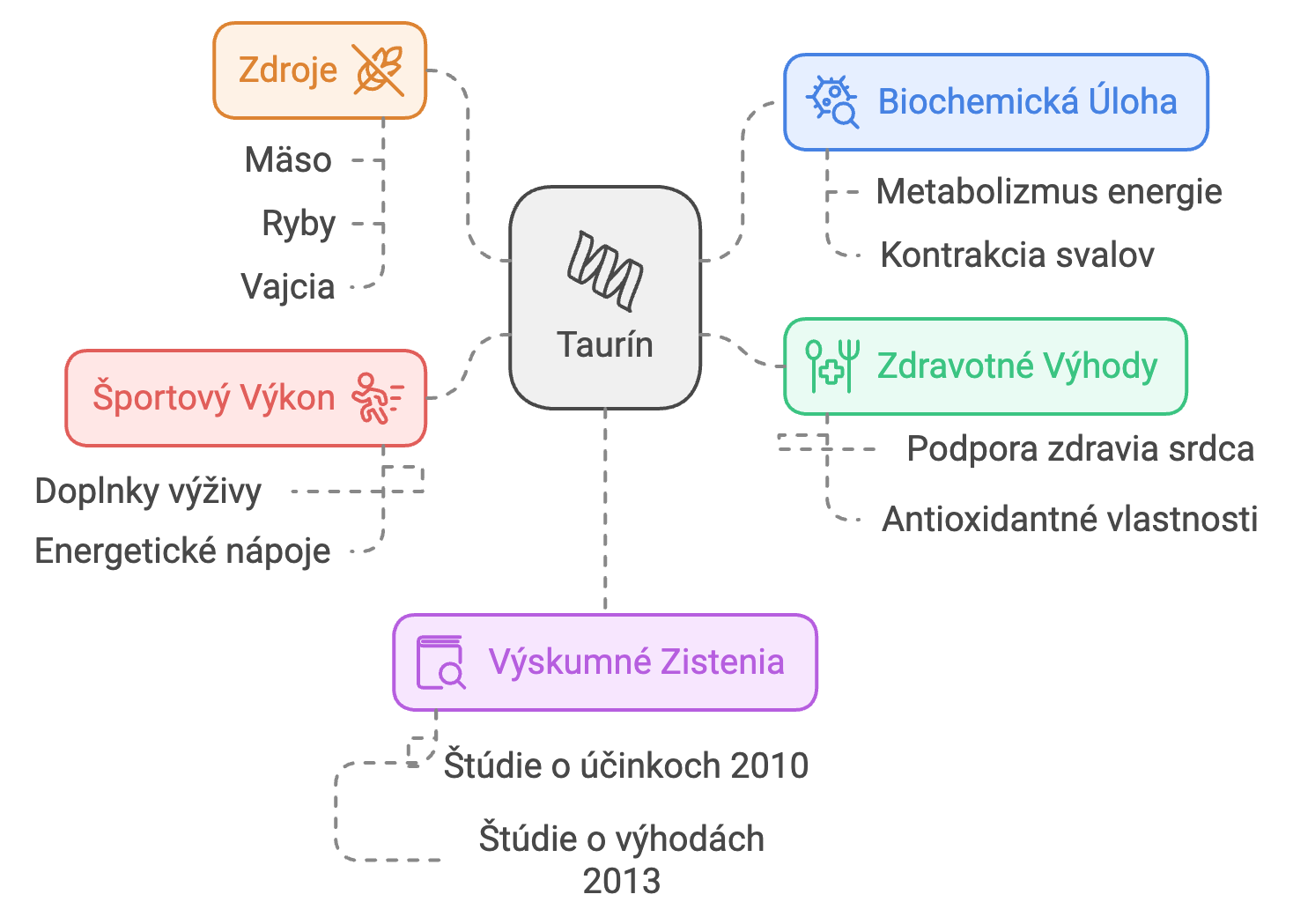
Nutritional strategies for peak performance recommend using taurine dietary supplements in a maximum dose of 1000mg. Taurine is often included in pre-workout supplements for the same reason as in energy drinks like Red Bull. This means it helps balance other stimulants that are included in such products. Some people are more sensitive to these stimulants than others, and taurine will help mitigate the excessive stimulatory effect of certain supplement ingredients.
Taurine is often used as a sleep inducer because it has effects on GABA receptors that promote relaxation and stress reduction. I personally take three grams of taurine about an hour before bed and have found that it reduces stress and helps induce sleep safely. I do not take any taurine at times other than before bed.
Beta-Alanine: It works, but how much...?
The role of amino acids in protein synthesis and muscle tissue regeneration has become the subject of intense research. Beta-alanine was one of the substances that caught the attention of scientists for its potential as an ergogenic supplement. This expert had a legitimate doctorate and was the director of research at a company focused on bringing Beta-Alanine to market. Although this man had a legitimate doctorate, at the time of our conversation, he was the research director at a company preparing to launch Beta-Alanine on the market as an ergogenic dietary supplement.
Powdered amino acids represent one of the most accessible forms of supplementation for athletes. Research shows that powdered forms have excellent absorbability and a rapid onset of action, which is especially advantageous during periods of intense training.
Powdered amino acids and their use in sports nutrition have become a major topic, as Beta-Alanine itself cannot be patented because it is a natural substance. However, it can be patented when used for specific purposes, such as exercise and sports application. A researcher involved in the early scientific studies on Beta-Alanine related to exercise stated that this dietary supplement has huge potential as an ergogenic aid. Beta-Alanine is produced in the body in small amounts and is part of the B-complex vitamins, specifically pantothenic acid (vitamin B5), which contributes to energy metabolism and the synthesis of coenzyme A, essential for many biochemical reactions.
The difference between essential and non-essential amino acids in human nutrition is well known, but the key to why Beta-Alanine would work as an ergogenic aid for exercise and sports is that it is the primary nutritional precursor to carnosine. Carnosine is a dipeptide, meaning it is composed of two linked amino acids – histidine and beta-alanine. In the human body, carnosine functions as an effective antioxidant.
The importance of amino acids for metabolism and the energy cycle is particularly evident in the fact that carnosine neutralizes lactic acid, which accumulates in muscles during high-intensity exercise. This acid, or specifically the hydrogen ions produced from lactic acid buildup in muscles, can lead to fatigue and muscle failure. If you neutralize this acid by having more carnosine in the muscles, you can train harder and longer.
Optimal dosing of amino acids for athletes and bodybuilders is a key research topic. Taking carnosine alone is not effective because when taken orally, a ubiquitous enzyme called carnosinase (found everywhere except in muscles) breaks it down into its basic components: Beta-Alanine and Histidine. Studies show that Beta-Alanine is the rate-limiting precursor for carnosine synthesis in muscles. You do not need to take histidine as well because muscles are already full of it. Taking Beta-Alanine at a dose of 4 to 6 grams daily for 28 days can increase muscle carnosine levels by up to 60%.
Branched-chain amino acids (BCAAs) and their impact on muscle growth is well documented, but it is less known that exercise itself increases carnosine levels in type 2 muscle fibers (fast-twitch muscle fibers). Elite athletes always exhibit elevated carnosine levels, yet their levels increase even further when they take a Beta-Alanine supplement. Anabolic steroids also increase carnosine in muscles. According to a study published in the Journal of Applied Physiology, it was found that the use of anabolic steroids can increase carnosine levels due to their effect on protein synthesis and the enhanced anabolic state of muscle tissue.
Essential amino acids (EAAs) and their importance for the human body manifest in various ways. After ingesting this amino acid, Beta-Alanine travels from the blood to the muscles. There, the enzyme carnosinase along with existing stores of histidine in the muscle converts Beta-Alanine into carnosine. Since the enzyme carnosinase, which breaks down carnosine, is not found in the muscles, the carnosine synthesized in the muscles after Beta-Alanine supplementation can gradually accumulate in the muscles.
The absence of carnosinase is important because it allows for the preservation of elevated carnosine levels in muscles, which increases their resistance to fatigue and improves performance during intense exercise. Studies show that after a month of taking a Beta-Alanine dietary supplement, your muscles retain elevated carnosine stores for three months after you stop taking Beta-Alanine.
The best dietary sources of amino acids for vegetarians and vegans are becoming an important topic. For example, foods like lentils, chickpeas, quinoa, and soy products are rich in essential amino acids. A creatine supplement works differently – it takes about a month to fill the muscles with a daily dose of 5 grams of creatine. However, after a month of not taking creatine, muscle creatine stores return to baseline levels.
Amino acids and their impact on the immune system and overall health are also evident in studies that examined the ergogenic effect of creatine. It was found to be effective for activity lasting 60 to 240 seconds; in other words, during high-intensity exercise or sports. It would not be useful for endurance sports, where increased levels of muscle acidity are not the main cause of muscle fatigue.
Amino acids as a dietary supplement: forms, effects, and side effects manifest differently in different groups of athletes. For example, Beta-Alanine would be a useful supplement for sprinters, but worthless for endurance runners. However, in one study of rowers, where athletes engaged in a 10-minute exercise, taking Beta-Alanine as a dietary supplement reduced fatigue. The reason is that rowing involves sufficient muscle activity to induce a high accumulation of acidity in the muscles, and Beta-Alanine can help reduce it.
The role of amino acids in the production of hormones and neurotransmitters was also shown in another study, where Beta-Alanine provided to swimmers competing in the 100 and 200-meter freestyle increased performance in recreational swimmers, but not in elite swimmers. Why? As mentioned, elite athletes tend to have higher carnosine stores in their muscles, even if they never took Beta-Alanine. So, giving this dietary supplement to elite swimmers was like pouring water into an already full glass. The same applies to beetroot juice, which can increase nitric oxide levels in recreational exercisers or athletes, but not in elite athletes who already produce extra amounts of nitric oxide (NO) in their muscles.
One meta-analysis, or analysis of previous studies on Beta-Alanine, concluded that supplementation improved anaerobic or high-intensity exercise and athletic performance by an average of 2.5%. This does not sound like much, but it can mean the difference between first and third place.
Beta-Alanine was provided for testing so its effects under physical load could be analyzed. They recommended I take between 3.4 and 6 grams before training, approximately an hour before exercise. Beta-Alanine can cause skin flushing similar to the effect of niacin, which is called a flush. I knew that niacin does this by dilating superficial blood vessels in the skin, which induces a feeling of warmth. I felt a similar sensation on my skin when I took my first dose of Beta-Alanine. This effect is called paresthesia and is also caused by the stimulation of sensory nerve receptors in the skin. Although it is uncomfortable, it lasts about an hour.

The impact of amino acids on muscle fatigue was shown in that you can avoid the side effect of Beta-alanine by taking a maximum of 800 milligrams at a time or by using a time-release version. After experimenting with various doses of Beta-alanine for about a month, I found that the only dose that produced ergogenic effects for me was the maximum dose of 6 grams per day. I took it in three doses of 2 grams.
Although I felt skin stimulation, this effect seemed to subside with continued use of the supplement. Beta-alanine can help reduce the need for rest between sets during training. My level of muscle fatigue was significantly reduced, and I could do many more repetitions in each exercise than before taking Beta-alanine.
Natural vs. Synthetic Amino Acids and Nutrient Synergies
Natural vs. synthetic amino acids and their effectiveness are often discussed in the context of dietary supplements. Examples of natural amino acids are those found in foods like soy, lentils, or beef, while synthetic amino acids are produced by chemical synthesis and are present in dietary supplements, such as L-glutamine or creatine. Some people prefer natural amino acids because they are derived from whole foods and often provide additional nutrients, whereas synthetic amino acids can be absorbed faster and customized for specific needs.
Some studies suggest that there are synergistic effects between creatine, Beta-Alanine, and baking soda. Creatine also acts as a pH stabilizer in muscles, though to a lesser extent than Beta-alanine, while baking soda is the main pH buffer outside cells and works mainly in the blood, not in the muscles. The combination of Beta-alanine, creatine, and baking soda produced a significant functional and ergogenic effect.
Timing and Optimal Dosing
Amino acids and their absorption in the digestive tract are influenced by the timing of intake. Timing is important because some amino acids are better absorbed on an empty stomach, while others may require the presence of other nutrients for more efficient absorption. Furthermore, taking amino acids before or after training can significantly affect muscle protein synthesis and muscle recovery.
While creatine and Beta-alanine can be taken an hour before a workout, baking soda should be taken 90 minutes to two hours before training, using several small doses with plenty of water and some carbohydrates. Water and carbohydrates will prevent the potential gastrointestinal side effects of bicarbonate, such as nausea. The total dose should be 200mg per 1kg of body weight, but this dose may need to be reduced for those who cannot tolerate it. The optimal dose of creatine is 5 grams or 1 teaspoon. The optimal dose of Beta-alanine is 2 to 3 grams.
The Importance of Training Intensity
If the level of exercise intensity is not high enough, administering a Beta-Alanine dietary supplement at any dose would do nothing.
A recent study provided 3.2 grams of Beta-alanine or a placebo to 27 men during a 12-week trial. The men in the study ranged in age from 60 to 82 years. While previous studies suggested that Beta-alanine could be a particularly useful supplement for people over 40 who engage in strength training, this study showed no ergogenic benefits for older participants. The men who took the actual BA supplement took two daily doses of 1.6 grams with time-release to prevent skin tingling. They trained on fitness center machines performing 11 exercises.
Why did BA show no effects in this study? First, the men performed 25 repetitions in each exercise with a weight equal to 50% of their one-rep max. This is not a high enough level of intensity to cause acid accumulation in the muscles. Therefore, it was not expected that Beta-alanine would provide any ergogenic effect – and it didn't. Thus, Beta-alanine should not be ruled out as a possible ergogenic aid for people over 40. What needs to be tested is providing the correct dose to exercisers over 40 and having them train with a higher level of exercise intensity, sufficient to create significant acid accumulation in the muscles. Then, compare the results with a placebo group.
Cognitive Benefits and Aging
In contrast to the previous study on older people, another new study found that providing 2.4 grams of Beta-alanine daily to eight men and four women actually brought some beneficial effects. The average age of the study participants was 60 years, and they took Beta-alanine either as a supplement or just a placebo for 28 days. Their exercise capacity and endurance were tested on a stationary bike. The results showed that subjects who took Beta-alanine were able to cycle longer compared to those taking a placebo.
However, the key finding in this study was that BA brought an improvement in executive functions. Executive functions refer to brain functions such as decision-making and short-term memory. This effect is likely related to the fact that Beta-alanine is a precursor to carnosine, which acts as a powerful antioxidant in the brain. Indeed, one 30-day animal study found that supplementing Beta-alanine under high-stress conditions increased carnosine stores in various parts of the brain, such as the hippocampus, amygdala, hypothalamus, and thalamus.
Dietary Habits, Brain Health, and Additional Effects
Another recent study showed that while vegans typically show lower bodily stores of carnosine (found only in animal proteins), they could increase their muscle carnosine stores even without taking Beta-alanine by engaging in intense exercise. There are hypotheses that Beta-alanine as a dietary supplement might be less effective in those who regularly perform high-intensity training because their muscles are already filled with carnosine. But this is pure speculation on my part. Studies have shown that even elite athletes exhibit higher levels of carnosine in their muscles after taking Beta-alanine dietary supplements.
Another interesting fact about Beta-alanine is that it can be synthesized by gut microbes. However, how much reaches the muscles is questionable. It is not recommended to take it close to sleep because it blocks the effects of GABA, the primary brain inhibitory neurotransmitter that aids in the sleep onset process.
Beta-alanine also has independent anti-anxiety effects and can increase Brain-Derived Neurotrophic Factor (BDNF), which helps maintain and repair neurons in the brain. Finally, since it is a precursor to carnosine, it can limit some effects of aging, because carnosine is an effective blocker of advanced glycation end products (AGEs), which cause the aging of tissues, organs, and the brain.
More information about Beta-alanine can be found in the provided link to a scientific article, which offers a comprehensive overview of its effects, mechanisms of action, and practical applications in sports nutrition and health:
https://jissn.biomedcentral.com/articles/10.1186/s12970-015-0090-y
Leucine is anabolic! However, is it also ergogenic...?
Amino acids are the basic building blocks of proteins that play an important role in various processes in the human body, including muscle protein synthesis, immune support, and improving recovery. This question is key to understanding the importance of leucine. Leucine is the most effective amino acid in relation to muscle protein synthesis. It is one of three amino acids referred to as branched-chain amino acids (BCAAs), along with the amino acids isoleucine and valine. BCAAs are important because they support muscle recovery, reduce fatigue, and improve protein synthesis, which is crucial for athletic performance and recovery.
The functioning of amino acids in the human body can be perfectly demonstrated using the example of leucine. Leucine is an exceptional amino acid that supports the creation of new proteins in muscles by activating an important protein, mTOR.
The most effective combinations of amino acids for maximum sports performance include leucine, which, however, requires the presence of all other eight essential amino acids to function properly. Most studies suggest that at least 2.5 grams of leucine is required to trigger muscle protein synthesis.
Amino acids and their role in supporting healthy aging and longevity are particularly evident in people over 40. Newer studies have found that providing larger doses, up to 4 grams of Leucine, can overcome "Anabolic Resistance," which is common in people over 40. Anabolic resistance means the inability to efficiently absorb amino acids into the muscles. This condition often arises due to a decreased sensitivity of muscles to amino acids, which can be caused by aging, a lack of physical activity, an unbalanced diet, or low levels of hormones such as testosterone.
The impact of amino acids on tissue regeneration and healing after injury is also evident when taking leucine. One study showed that administering 22.5 milligrams of leucine before and after training along with a carbohydrate drink had no effect on delayed onset muscle soreness or exercise performance. The total dose of leucine was 3.5 grams, which is at most a moderate dose.
Powdered amino acids vs. pills: which form is better and why? This question often arises in connection with leucine as well. Powdered amino acids are absorbed faster and are more suitable for athletes who need quick access to nutrients after training. On the other hand, pills are more convenient to take and dose, which can be advantageous for people who need a regular, precise dose of amino acids without the need for preparation. The powdered form can also allow for better dosage customization, while pills are more practical for traveling. Research shows that at a dose of 250 milligrams per kilogram of body weight, administered 30 minutes before, during, and after exercise, positive effects on muscle strength were observed.
The importance of amino acids for proper brain function and cognitive abilities is often demonstrated when studying the effects of leucine. Study results have shown that individuals who took leucine exhibited a smaller decrease in peak muscle strength compared to those who took a placebo. Leucine also reduced muscle soreness after exercise. However, the dose of leucine provided in this study was high – corresponding to an intake of 22.5 grams of leucine for a 90-kilogram man.

Amino acids and their impact on sleep quality and circadian rhythms are also related to the safe use of leucine. For comparison, the safe upper limit for leucine intake is 0.53 grams per kilogram of body weight. That would mean 47 grams of leucine for a 90-kilogram man. One of the main flaws of the study was that both groups – the leucine and the placebo group – consumed a high-protein diet.
For example, research on kayakers showed that an intake of 3.5 grams of leucine daily for 6 weeks improved rowing time to exhaustion, reduced perceived exertion, and increased upper body strength more than in those who took a placebo.
Amino acids and their impact on the immune system manifest in various ways. A study of untrained men found that taking an additional 4 grams of leucine daily during 12 weeks of strength training led to a 40.8% increase in strength compared to 31% in those who took a placebo. Strength was measured for 5 repetitions with maximum load.
It seems, therefore, that supplemental leucine offers ergogenic effects, even if these effects are minor. Therefore, it is better to use leucine as an "anabolic trigger" rather than as a standalone ergogenic aid. However, taking standalone leucine supplements is questionable if you already consume enough protein in your diet. It is even less useful if you use a whey protein supplement, which contains approximately 16% branched-chain amino acids, including 2.5 grams of leucine in every 20-gram serving of protein.
The only exception would be people over 40 who, for some reason, cannot consume enough protein from food or supplements. In such a case, an intake of a 4-gram dose of leucine per meal maximizes muscle protein synthesis in the muscles, even when consuming smaller protein meals. It is a classic case of "more bang for your buck."
Several leucine metabolites, such as HMB in both salt and free forms, are often sold as effective aids for increasing muscle mass and strength. However, recent studies have shown that they have no effect in this regard. The latest study demonstrated that administering both forms of HMB had no effect on 40 men involved in a strength training program.
HMB may still have some use in helping to maintain muscle mass in older people suffering from sarcopenia, the age-related loss of muscle mass. For example, studies have shown that HMB can reduce muscle protein breakdown and support recovery, helping older adults maintain muscle strength and improve functional capacity. However, it has no impact on promoting gains in young adult men involved in strength training.
A free overview of how leucine helps regulate energy balance and food intake can be read here, but please note that this is highly technical material: https://www.ncbi.nlm.nih.gov/pmc/articles/PMC4446786/
Conclusion
Amino acids are the basic building blocks that make up proteins in our body. When we eat protein-rich foods, our body uses digestive enzymes to break them down specifically into amino acids. Most of them are first absorbed in the small intestine, from where they travel via the blood to the liver for further processing. Interestingly, some amino acids, specifically leucine, isoleucine, and valine, are processed directly in the muscles.
Amino acids play an important role in the body – they help build and maintain muscles, organs, blood, and skin. Because of these properties, they are often used by bodybuilders and athletes. Besides supporting muscle growth, amino acids have other benefits – they help reduce fatigue and increase workout performance.
Our body can also convert amino acids into energy. In the liver, they can be converted into glucose or ketones, which then provide energy to the muscles and the brain. Certain specific amino acids, such as arginine, glutamine, and citrulline, are known to directly support athletic performance.
Scientific studies confirm that amino acids have a significant impact on performance improvement, beyond their basic function of supporting muscle growth. Although scientists disagree on some details, the majority of research confirms their positive effects. Therefore, it is no surprise that they are often added to energy drinks and pre-workout supplements, where they help increase energy and improve focus.
Sources
Underground Life extension handbook 2019 , by Ryker Black aka Dr.
Micronutrients, Uwe Gröber
Nutritional Medicine, MUDr. Boris Bayer, PhD.
Modern Nutrition in Fitness and Strength Sports, Lukáš Roubík and collective
https://www.appliedmetabolics.com/amino-acids-are-they-ergogenic-aids-by-jerry-brainum/
https://www.uber-nutrition.sk/blog/bcaa-ako-kluc-k-lepsiemu-vykonu-a-svalovemu-rastu/
https://www.zuzino.sk/clanky/poznate-l-arginin-a-jeho-pozitivne-ucinky/
https://gymbeam.sk/blog/glutamin-je-pre-sportovca-nevyhnutny/
https://gymbeam.sk/blog/l-citrulin-a-vsetko-co-o-nom-potrebujete-vediet/