


BCAAs, short for branched-chain amino acids, consist of three essential amino acids: leucine, isoleucine, and valine. BCAAs serve for muscle growth and recovery. Within sports nutrition, they are used to increase physical performance, support muscle growth, and accelerate post-workout recovery. Unlike other amino acids, BCAAs are metabolized directly in the muscles, which allows for their faster utilization during physical activity. However, proper dosing of BCAAs should also be important. In the following article, we will take a closer look at when to take BCAAs, their effects, and other practical tips.
Effects of BCAAs
BCAAs contribute to various physiological processes, especially when it comes to muscle growth and recovery. Leucine, one of the three BCAA amino acids, stimulates protein synthesis – the process that leads to the building of new muscle cells. Research shows that the correct ratio of BCAAs (usually 2:1:1 in favor of leucine) can improve muscle adaptation to training and accelerate recovery after intense physical exertion (Katsanos et al., 2006).
In addition, the effects of BCAA amino acids have a significant impact on reducing muscle breakdown (catabolism) during and after exercise. BCAA amino acids serve to maintain muscle glycogen levels, which provide energy during training, thereby reducing fatigue and accelerating recovery after exercise (Shimomura et al., 2004).
Benefits of BCAAs for Recovery and Performance in a Nutshell
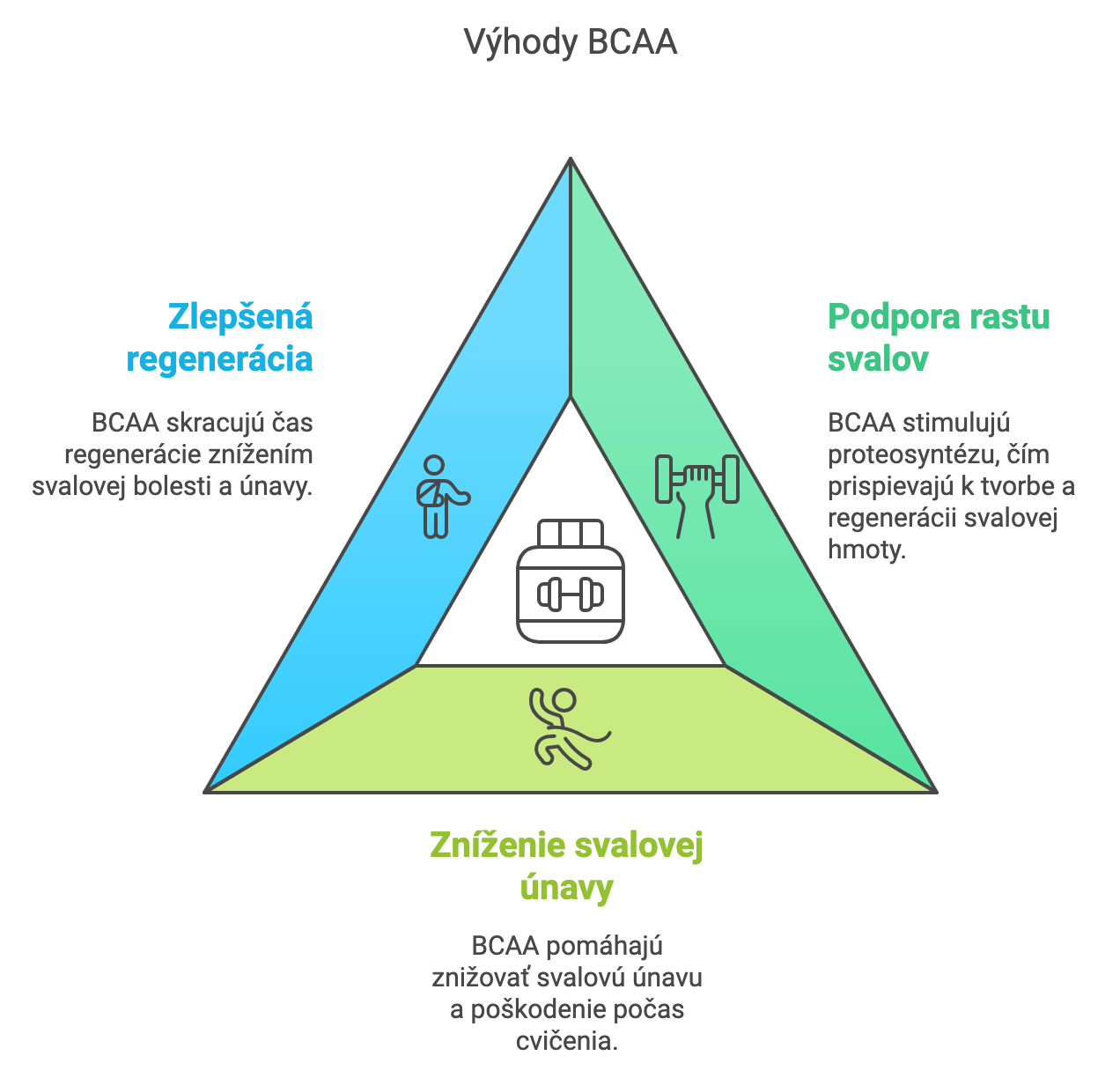
Support for muscle growth: BCAAs stimulate protein synthesis, thereby contributing to the creation and regeneration of muscle mass.
Reduction of muscle fatigue and damage: Studies suggest that BCAA supplementation before training can reduce the rate of muscle damage and improve overall physical performance (Blomstrand et al., 1991).
Improvement of recovery: BCAAs reduce the levels of substances in the body that cause muscle fatigue and soreness, thereby shortening the time needed for recovery after intense exercise (Shimomura et al., 2004).
BCAA Dosage
When dosing BCAAs, it is important to consider the goal of use, individual needs, and the type of physical activity. The recommended daily dose ranges from 5 to 10 grams, although a higher dose may be more effective for those engaged in intense exercise. Most sports supplements contain BCAAs in a 2:1:1 ratio (leucine : isoleucine : valine), which has been identified in studies as optimal.
To optimize the effects of BCAAs, it is recommended to take them in several doses throughout the day. For people engaged in strength training or endurance activities, the recommended doses are as follows:
Before training: 3-5 grams to reduce fatigue and support endurance.
After training: 5-10 grams to accelerate recovery and restore muscle fibers.
Interestingly, according to some studies, taking BCAAs in combination with other amino acids or protein can increase their effectiveness, as it provides a broader range of nutrients needed for muscle growth and recovery (Tipton et al., 2004).
When to Take BCAAs
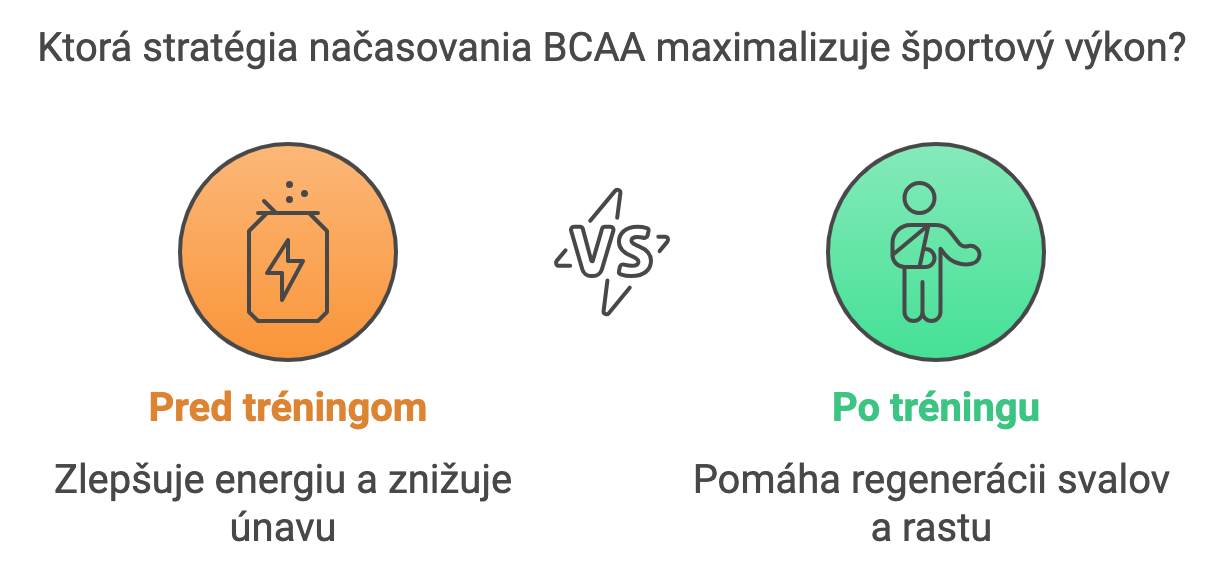
The best timing for taking BCAAs depends on your goals. Athletes and people looking for quick recovery often take BCAAs before or during training, which reduces the level of muscle damage and decreases lactic acid production (Shimomura et al., 2004). Those who want to maximize muscle growth can take BCAAs after exercise, which supports rapid recovery and muscle mass growth.
Before training: BCAAs can improve energy and reduce the risk of fatigue. Take 15-30 minutes before your workout.
After training: Administering BCAAs after a workout helps muscles recover faster and supports their growth. This approach is particularly beneficial after demanding strength training sessions.
During training: Taking BCAAs during a workout is recommended for intense training or endurance activities, such as long-distance running or cycling, where they help maintain energy and prolong performance.
Practical Tips
Since we already know what BCAAs are and what the correct dosage of BCAA amino acids should be, let's look at what to do to achieve optimal results:
Follow the recommended dosage: Taking higher doses than recommended can lead to excessive strain on the kidneys and increases the risk of side effects, such as nausea or cramps.
Combine with a balanced diet: Sufficient protein in the diet supports the effects of BCAAs.
Take with other amino acids: Studies suggest that taking BCAAs together with other amino acids, especially glutamine and arginine, can increase their effects (Tipton et al., 2004).
Conclusion
BCAAs are an effective supplement for athletes and active individuals who want to support muscle growth, recovery, and reduce fatigue during physical activity. Proper dosing of BCAA amino acids and timing can significantly contribute to optimal results. Combining BCAAs with other amino acids, adhering to recommended doses, and consulting with an expert are key principles for achieving maximum benefits and avoiding adverse effects.
Sources
Blomstrand, E., Hassmén, P., Ek, S., Ekblom, B., & Newsholme, E. A. (1991). Influence of ingesting a solution of branched-chain amino acids on perceived exertion during exercise. Acta Physiologica Scandinavica, 143(2), 155-156.
Katsanos, C. S., Kobayashi, H., Sheffield-Moore, M., Aarsland, A., & Wolfe, R. R. (2006). A high proportion of leucine is required for optimal stimulation of the rate of muscle protein synthesis by essential amino acids in the elderly. American Journal of Physiology-Endocrinology and Metabolism, 291(2), 381-387.
Shimomura, Y., Yamamoto, Y., Bajotto, G., Sato, J., Murakami, T., Shimomura, N., Kobayashi, H., & Mawatari, K. (2004). Nutraceutical effects of branched-chain amino acids on skeletal muscle. Journal of Nutrition, 134(6 Suppl), 1583S-1587S.
Tipton, K. D., & Wolfe, R. R. (2004). Protein and amino acids for athletes. Journal of Sports Sciences, 22(1), 65-79.