

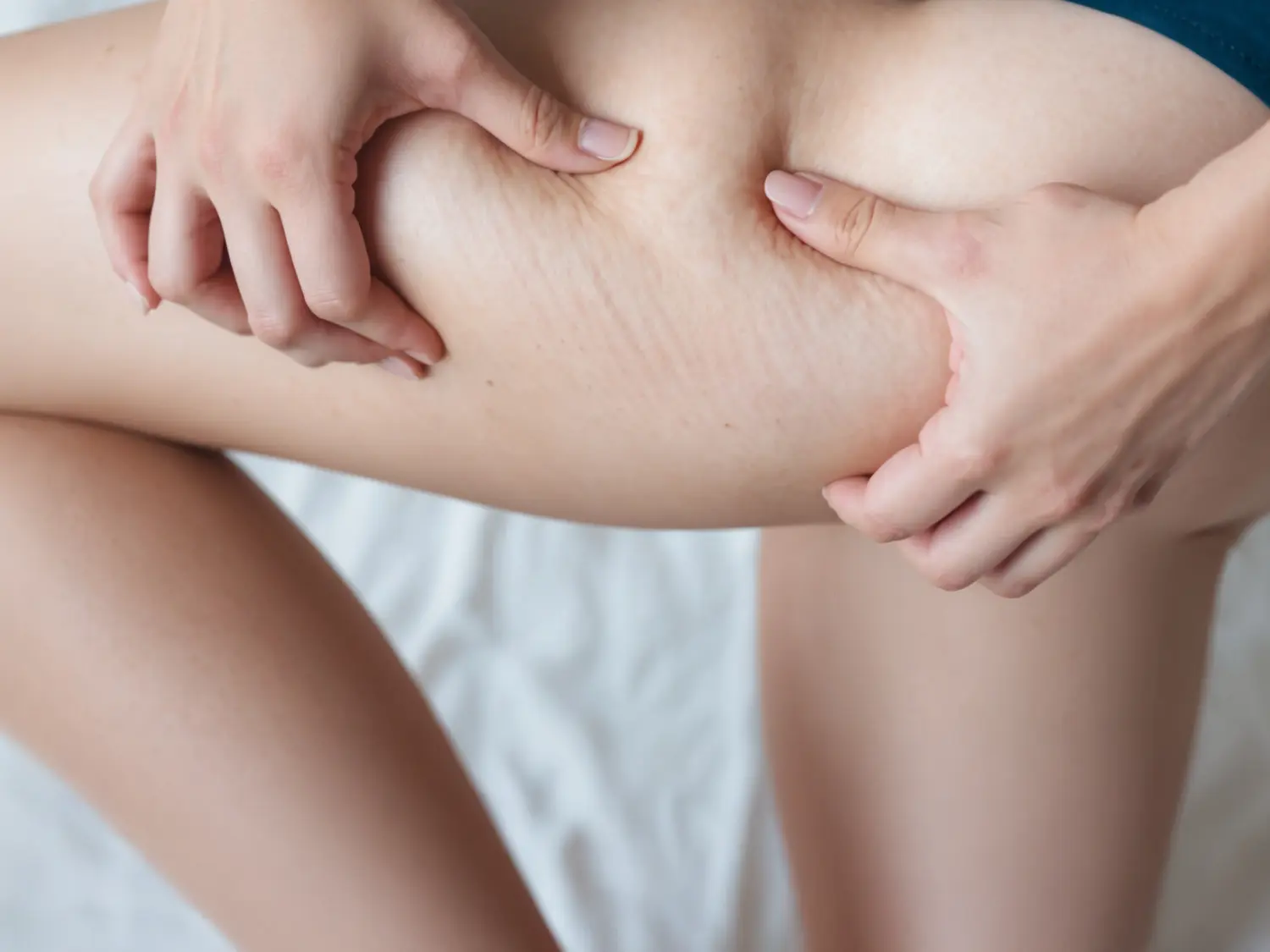
Cellulite is a serious problem for women. In fact, it affects 80 to 100% of women and is especially visible when a woman is 40 years old or older. Cellulite is most prominent on the back of women's thighs, buttocks, and hips, although it can appear anywhere on the female body. It is often described as having an orange-peel or mattress-like appearance.
While the causes and treatments of cellulite are the subject of intense debate, there is no denying that cellulite is fat. However, what makes it unique is the pattern of fat distribution, which gives cellulite its typical appearance. This appearance is caused by how the connective tissue under the skin interacts with fat deposits.
In women, the pattern of connective tissue is vertical. What happens is that as fat stores increase in women, the stored fat tends to protrude to the surface of the skin between the vertical pattern of connective tissue. This creates a dimpled or orange-peel appearance. Conversely, the mesh or zigzag pattern of male subcutaneous connective tissue holds the fat securely in place, so it cannot protrude to the skin's surface.
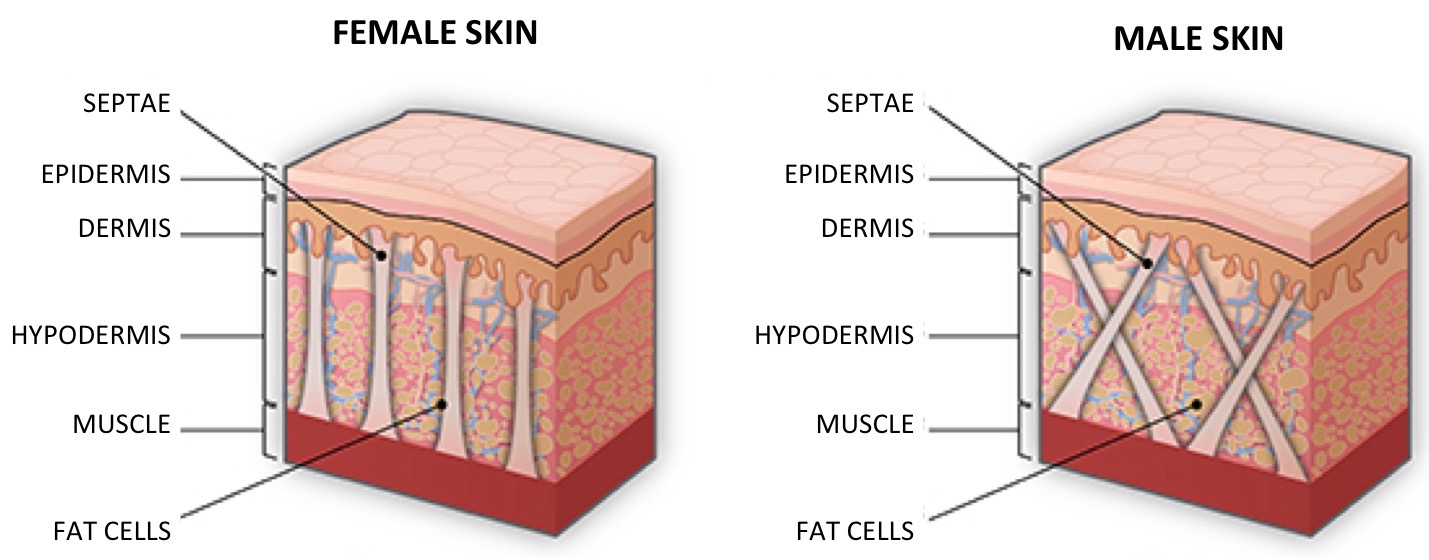
Only 10% of men have cellulite, and this only happens when men have higher estrogen levels and lower testosterone levels.
In fact, if you provide a man with enough estrogen, he can develop cellulite that looks exactly like what women experience. But this is undoubtedly rare due to the pattern of male connective tissue under the skin. However, since estrogen plays a role, it seems likely that estrogen can explain why women are more prone to cellulite—aside from the differences in anatomical connective tissue between the sexes.
On the other hand, the incidence of cellulite in women increases with age, just as estrogen levels decrease. Estrogen alone cannot be solely responsible for the existence of cellulite.
Some scientists claim that cellulite is just a made-up term designed to sell various products that are said to help prevent or treat existing cellulite. These scientists argue that cellulite is just ordinary body fat. If this were true, simply switching to a calorie-restricted or low-carbohydrate diet should be able to completely eliminate the appearance of cellulite. And although reducing excess body fat through exercise and diet definitely improves the appearance of cellulite, these measures alone will not completely eliminate it, as many women have found.
Since it affects almost all women, the market for cellulite remedies is huge. The problem is that most of them do not work.
Although cellulite has no real negative health effects, it undoubtedly causes embarrassment and lowers self-esteem in many women. The usual cellulite sites in the lower body are actually considered a neutral type of fat storage with no known negative health effects. This is in sharp contrast to the fat stored around the visceral or internal organs. Such fat, known as visceral fat, is considered the most dangerous fat deposit in the body.
As previously stated, cellulite is just ordinary body fat with a different type of connective tissue structure, but it can be affected by poor lifestyle patterns.
Cellulite Treatment: What Works and What Doesn't
Although there are dozens of proposed cellulite treatments, the evidence behind them is nothing short of confusing. By this, I mean that one study will examine several cellulite treatment methods and come up with a specific technique that seems more effective than the others. But another review on cellulite examining the same techniques might find that the technique advocated by the other review is ineffective and offer evidence to prove it.
In this regard, you cannot even trust doctors, because many of them sell specific techniques, such as various laser technologies, which they will claim are the only effective way to treat cellulite. However, this conclusion is often not reflected in the existing medical literature, so in this case, you are facing the doctor's bias towards a therapy that is likely more profitable for them.
In fact, many of the reviews that have looked at all the proposed cellulite treatments have come to the conclusion that, in the long term, none of them were truly 100% effective.
That being said, some of these treatments work well, but the problem is that they are not permanent and the cellulite often returns. In this sense, cellulite treatments are similar to liposuction, which itself is sometimes proposed as a treatment for cellulite. Liposuction involves the surgical removal of superficial fat deposits. It seems to make sense that since cellulite is a problem involving superficial fat deposits, removing it should yield acceptable results. However, in the context of cellulite removal, liposuction not only fails to improve cellulite but can actually make it worse.
The problem is also that while liposuction removes fat, if a person continues to follow poor health habits, such as not exercising and eating poorly, the fat can return. In fact, many women have chosen not to worry about cellulite, knowing that it is just a normal part of female physiology.
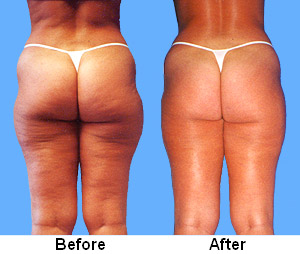
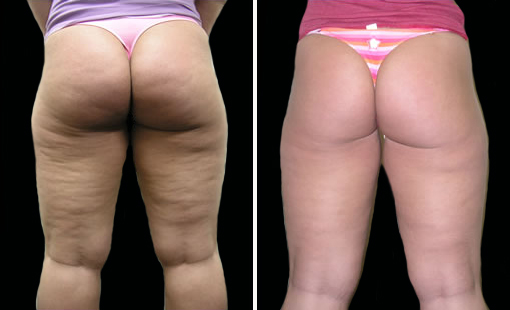
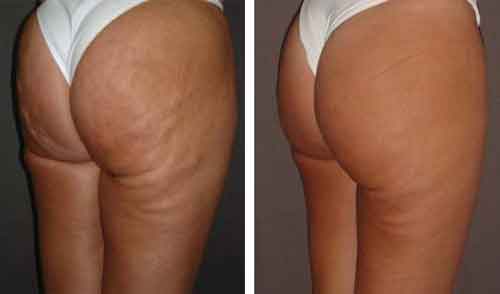
After a detailed review of all these various cellulite treatments, one trend emerged. This trend showed that combining several techniques produced by far the best effects in treating cellulite. Indeed, judging by the before and after photos associated with these combination techniques, they appeared to remove all traces of cellulite - even in some of the worst cases.
This trend showed that combining several techniques produced by far the best effects in treating cellulite.
The question is, how long do such dramatic improvements last? It likely depends on the woman's lifestyle. After all, if she eats healthy and avoids refined carbohydrates and excessive fat intake, while engaging in regular exercise, it is likely that her previous state of cellulite will not return to a significant or more pronounced degree.
Although many sources of information point out that cellulite is not affected by exercise like other types of body fat, this is not necessarily true. Exercise will not change the structure of the connective tissue. The downside is that the most common cellulite sites in women - the upper thighs, hips, and buttocks - are also the sites of female essential body fat, which, as previously mentioned, is extremely stubborn to reduce. However, fat can be lost in such areas if a woman is determined to do so by following a diet and engaging in both aerobic and resistance training.
Consider that if you firm up these areas by building muscle mass through strength training, the added muscle mass will smooth the area and greatly reduce the appearance of cellulite.
Cellulite is just another type of body fat, and anything that promotes body fat will also promote cellulite. So, before a woman even starts considering any specific type of cellulite therapy, she should try to clean up her diet and engage in exercise to get into the best possible shape. If the cellulite remains after that, she can consider the therapeutic options that are most suitable for her.
Consider that one of the underlying problems leading to cellulite is poor localized blood circulation, which leads to localized edema or fluid accumulation.
This edema contributes to the appearance of cellulite. In fact, many of the proposed cellulite treatment methods provide a kneading or massaging component to reduce this poor circulation and fluid accumulation. And this seems to work to a large extent. But massage alone is usually not enough to completely rid a woman of cellulite.
Another controversial aspect of cellulite is that much of the poor circulation and edema seen with cellulite is caused by localized inflammation. Initially, this makes sense, because some edema always occurs with inflammation. But consider that any type of body fat releases more than 100 proteins called adipokines, most of which are inflammatory. But this doesn't have much to do with cellulite.
Some articles on cellulite suggest that poor eating habits may play a major role in promoting cellulite. Specifically, consuming excessive amounts of carbohydrates, by promoting greater insulin release, helps maintain cellulite. Others point an accusing finger at excessive sodium intake. And while excessive sodium intake is associated with water accumulation, the relationship of sodium to cellulite is weak at best.
Interestingly, studies show that weight loss usually improves the appearance of cellulite, but in about a third of cases, cellulite actually looks worse. This involves the presence of loose skin, which can occur when a significant amount of body fat is lost.
So, let's say a woman has gone as far as she can with diet and exercise, but the cellulite on her body still remains at an unacceptable level - what are her options? These options include the following, keeping in mind that many of the described methods may work better for some women than others. ↓
Cellulite Treatment: The Good, the Bad, the Worthless
For a cellulite treatment to be effective, it must accomplish two things.
First, it must repair and strengthen the dermis, or the second layer of the skin, where cellulite occurs.
The second requirement would be to push the protruding fat back under the dermis.
This would result in a smoother skin appearance without cellulite. Most of the following cellulite treatments do one of these things, but rarely both. For this reason, the most effective way to rid the body of cellulite would be a combination treatment - such as one therapy that reduces or "flattens" the protruding fat, and another that helps strengthen and, in some cases, even break down the connective tissue that creates the typical appearance of cellulite.
Here is an overview of such treatments:
Endermologie
Endermologie involves a type of massage that uses a mechanical device. The machine works by being applied to the skin, where skin folds are rolled between two rotating rollers. How can this help reduce cellulite? According to the theory, the machine damages subcutaneous fat cells through rolling pressure and also by applying low-pressure suction to the skin. The net effect is the rupturing of fat cells in the skin, but when the fat cells heal, they heal in a way that reduces the appearance of cellulite and creates a better distribution of subcutaneous fat.
Studies that have examined the effectiveness of Endermologie show a short-term improvement in the appearance of cellulite, but no long-term benefit. Furthermore, there is some concern that the suction part of the therapy may lead to premature sagging of the skin, making the skin look even worse than it did with cellulite. Some people also develop visible bruising on their skin after the treatment.
2. Mesotherapy
It involves the injection of various compounds into the skin. It is believed that some of these compounds break down fat, which would lead to a smoother skin appearance. The compounds used can include various herbs, vasodilators, anti-inflammatory drugs, and even hormones. Some preparations contain natural substances such as carnitine, calcium pyruvate, caffeine, aminophylline, ginkgo biloba, and even artichoke extract or lecithin.
When injected into fat cells, it disrupts the fat cells, resulting in a smoother skin appearance. However, no real changes occur in the subcutaneous layers of the skin where cellulite is located. It is not considered an effective treatment for eliminating cellulite.
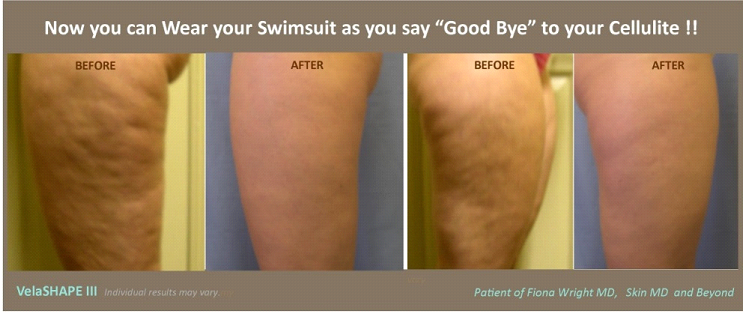
3. Velasmooth
It is a combined treatment that includes infrared light, bipolar radiofrequency, suction, and massage techniques. It is believed that the radiofrequency aspect affects the connective tissue and fat, which are the core of cellulite. Infrared light and radiofrequency also act on red blood cells, causing them to deliver more oxygen to oxygen-deprived fat cells. The net effect is localized fat reduction.
The second aspect of Velasmooth involves the suction and massage of cellulite. This improves blood circulation in the given area and also stretches the connective tissue that surrounds the fat and causes the dimpled effect of cellulite.
Several studies show an improvement in cellulite using this technique. One such study found that 18 out of 20 patients who underwent the treatment reported an improvement in the appearance of cellulite a month after completing the treatment. The maximum effect peaks after a month, indicating the need for regular treatments to maintain the skin's appearance. However, Velasmooth is not a permanent solution for cellulite.
4. Triactive
It is an FDA-approved non-invasive laser treatment that combines a low-dose 810nm diode laser, contact cooling, suction, and massage to reduce the appearance of cellulite. It does this by thickening the dermis, which leads to smoother skin.
The cryotherapy aspect of Triactive, or the use of a cooling device, reduces swelling in the treated area and promotes lymphatic drainage. Triactive involves 10 to 15 treatments, 1 to 2 times a week. It is most commonly used for body contouring, such as removing stubborn fat deposits that do not respond well to diet and exercise, but the fact that it removes fat suggests that it may be useful in treating cellulite. Through cryolipolysis, frozen fat cells crystallize, leading to the self-destruction of fat cells.
5. SmoothShapes
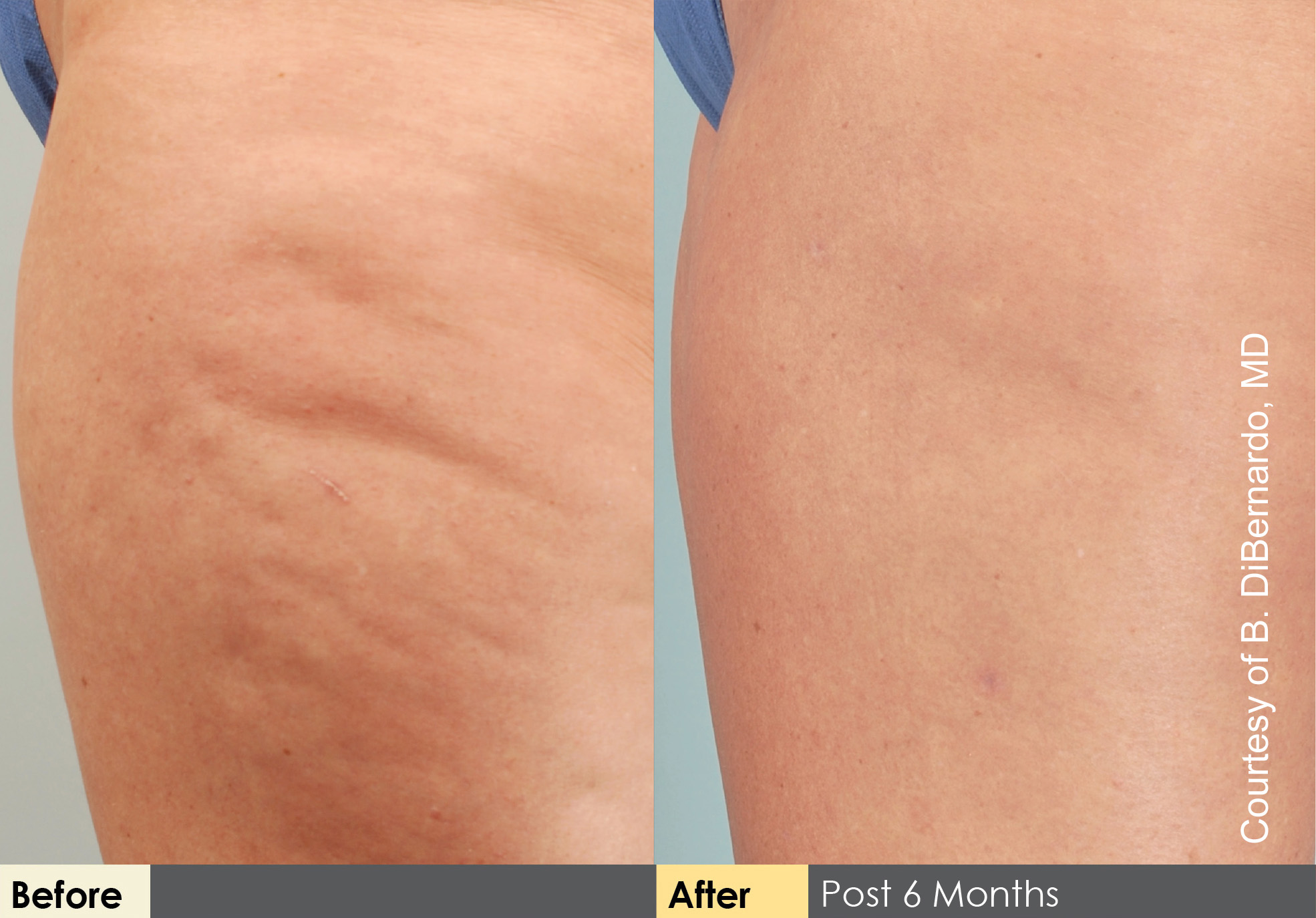
This treatment features a dual-wavelength laser and biostimulatory light with a suction device that heats the fat and promotes wound healing. It also includes a massage device with rollers and a vacuum. One study evaluating this technique found that 82% of patients showed improvement in cellulite after a month, and 76% still showed improvement after 3 and 6 months post-therapy. When asked, 94% of the treated patients felt that SmoothShapes improved the appearance of their cellulite. However, the improvement in cellulite caused by SmoothShapes is once again short-term and not permanent.
6. Alma Accent RF System
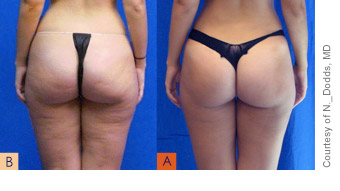
This is an FDA-approved treatment for skin wrinkle reduction. It involves bipolar and unipolar radio frequencies to treat cellulite. It improves skin texture, and in this way, it is believed to improve the appearance of cellulite. The treatment improves cellulite by causing collagen contraction through the heating of tissue in the skin, which breaks down rigid collagen, thereby improving cellulite. This creates a smoother skin appearance. One study of 26 women who underwent two treatments 15 days apart on their buttocks and thighs resulted in a 20% improvement in the appearance of cellulite in 15 of the treated women.
7. Thermacool
Another unipolar radiofrequency device. It is also approved for wrinkle treatment. It works similarly to the Alma Accent device in that it causes the rotation of water molecules in the tissues, which produces heat.
8. Ultrashape
Ultrashape consists of a transducer (using ultrasound) that is used to target and eliminate fat. The effect lasts approximately 2 to 3 months and works best when used with another therapy to treat cellulite. It is believed that ultrasound selectively breaks down fat cells while preventing damage to blood vessels, nerves, lymphatic vessels, connective tissue, and muscles. It sounds like an ideal weight-loss solution! However, it is not as effective as it seems.
9. Intense Pulsed Light (IPL)
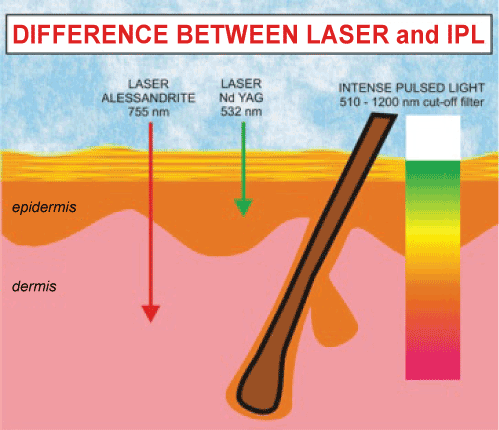
It uses a non-laser light source, IPL for short, which emits light from the visible spectrum. The use of higher filters blocks shorter wavelengths, allowing longer wavelengths to be absorbed into the deeper layers of the skin. This leads to damage to the skin layer, which then heals or remodels itself. The therapy is believed to work by stimulating local collagen production, which firms the skin layer and prevents further herniation or protrusion of fat associated with the appearance of cellulite. One study of nine patients treated with 12 IPL treatments showed that eight exhibited visible clinical improvement in their cellulite.
10. Cellfina
Cellfina is another non-surgical treatment for cellulite. It involves a microblade technique targeting cellulite and is considered especially effective for cellulite on the thighs and buttocks. It is not recommended for women who have excessive skin laxity (sagging skin). Cellfina works best on the dimpled type of cellulite.
It is based on a more invasive technique used to treat cellulite called subcision. Essentially, it releases the tight vertical bands of connective tissue that cause the appearance of cellulite. Treating 25 dimples takes approximately one hour. The results are noticeable after three days, and unlike some of the other therapies we discussed above, they last for three years. A study of 55 patients who underwent Cellfina found that two years after the procedure, it improved the appearance of cellulite in 98% of the patients. But it is not cheap. Prices range from €3,500 to €5,500 per treatment.
Cellfina has been compared to Cellulaze, which is another laser treatment believed to also work by cutting the collagen bands in the skin. Cellfina is one of the newest therapies for cellulite, having been FDA-approved in 2014.
The key point about Cellfina is that it is more suitable for women who are not excessively obese but still have cellulite dimples. It will not work well on more obese women.
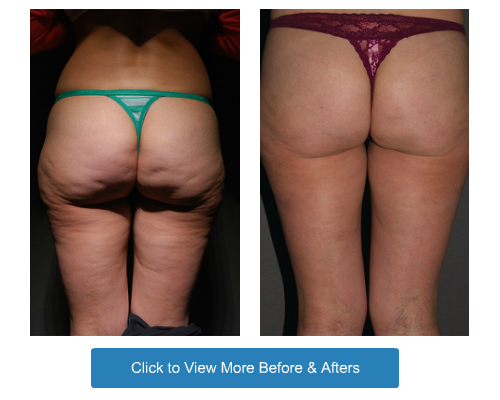
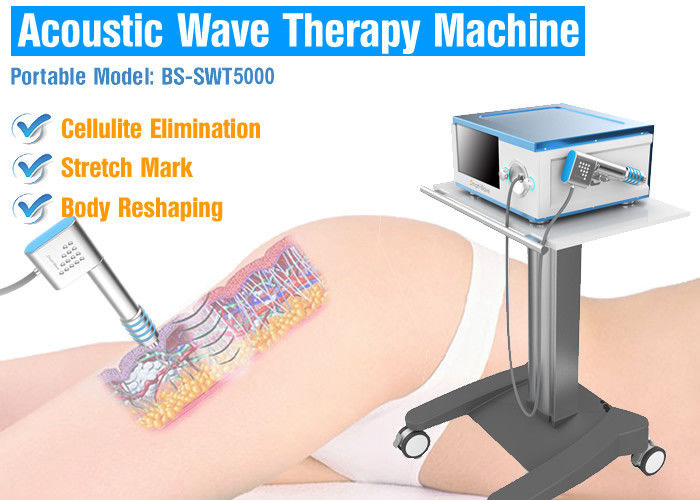
11. Acoustic Wave or Shockwave Therapy
It also involves sending pulses or waves into the fat tissue, which again increases tissue heat, leading to a remodeling effect of the collagen fibers that hold cellulite in place. It is also said to increase blood circulation, which provides oxygen to the tissues.
The waves used in this therapy are similar to, but weaker than, the waves used to break up kidney stones. The improvement in cellulite lasts an average of five months.
12. Carboxytherapy
It involves the injection of carbon dioxide into cellulite using small needles. When carbon dioxide is released into areas with low oxygen, such as fat deposits, the cells' oxygen uptake increases and blood circulation is also enhanced.
One study demonstrated an up to 55.5% increase in skin elasticity using this technique when it was combined with liposuction to treat cellulite on women's thighs. The cost of treatment averages €100 to €150 per session, and usually, at least 10 sessions are needed to see a significant effect on cellulite.
Do Topical Products and Supplements Help Reduce or Eliminate Cellulite?
Some types of topical treatments are rubbed into the skin (cellulite creams). Of course, if such a supplement truly existed, it would make millions.
However, the truth is that all the various so-called "topical fat-burning preparations" do not actually burn or oxidize fat. Instead, they provide minor thermogenic effects or convert calories into heat.
One popular ingredient often recommended for fat reduction, and specifically cellulite, is aminophylline. It is a medication used to treat asthma and other respiratory problems. However, some cosmetic manufacturers have started adding it to anti-cellulite creams. But why doesn't it work the way we'd like?
Aminophylline works in the body by affecting certain enzymes related to the fat breakdown process. In theory, this should lead to the release of fat from fat cells, which could help reduce cellulite. Sounds promising, right? The problem is that studies examining the effects of aminophylline creams on cellulite have not shown any significant results. Why is that?
Topical application: A cream applied to the skin may not penetrate deep enough to affect fat cells.
Incorrect targeting: Aminophylline acts on a specific type of receptor in fat cells. The problem is that in the areas where cellulite most commonly occurs (thighs, buttocks, hips), there are predominantly other types of receptors that aminophylline does not affect.
The complexity of cellulite: Cellulite is a complex problem that involves not only fat cells but also skin structure, blood circulation, and other factors.
Conclusion? Although aminophylline sounds like a promising solution, in practice, it proves ineffective in the fight against cellulite.
A more rational topical agent for cellulite treatment is retinoic acid, available as Retin-A.
This medication is often used to treat acne, but a lesser-known role of this synthetic form of Vitamin A is that it promotes collagen synthesis. This explains why retinoic acid is often used in combination with other forms of cellulite treatment that involve breaking down the collagen support strands in the skin that cause the appearance of cellulite.
Support for collagen production: Retinoic acid stimulates collagen synthesis in the skin. Collagen is a crucial protein that gives the skin elasticity and firmness.
Repair of damaged collagen: Some cellulite treatments break down collagen fibers. Retinoic acid helps repair and restore these fibers.
Increased collagen thickness: Regular use of retinoic acid increases the thickness of the collagen layer in the skin, leading to a smoother skin appearance.
Improved elasticity: In addition to increasing the amount of collagen, retinoic acid also improves the overall elasticity of the skin.
Prevention of new fat cell formation: Research suggests that retinoic acid can prevent the development of new fat cells, which is key in preventing cellulite.
Studies show that a 3% topical preparation of retinoic acid used for six months or longer can improve the appearance of cellulite. Retinoic acid increases collagen thickness in the skin as well as skin elasticity, which should result in smoother skin with a reduced appearance of cellulite. Not only that, but retinoic acid may prevent the development of new fat cells. As with any treatment, it is important to consult a professional and be patient while waiting for results.
The effects of retinoic acid are similar to those of Intense Pulsed Light (IPL) cellulite treatments, which were explained above. You can read a free study that involved providing a topical cellulite treatment containing retinoic acid and other substances, which led to an improvement in cellulite in 82% of the women who used it, here: https://www.ncbi.nlm.nih.gov/pmc/articles/PMC3933246/
One supplement that was highly publicized as a cure for cellulite is called Cellasene. The ingredients in this product include ginkgo biloba, which is believed to promote blood circulation; dried clover extract, which is also believed to increase blood circulation and lymph flow; grape seed extract, a potent antioxidant; fucus vesiculosus (bladderwrack), which is believed to reduce localized fat deposits; evening primrose oil, a natural anti-inflammatory supplement; and soy lecithin, which is believed to break down fat.
While dozens of over-the-counter creams and lotions are sold with the idea that they will improve the appearance of cellulite, the truth is that none of them do anything more than temporarily plump the skin.
Several other natural methods are said to improve cellulite. An example of this is a study that provided collagen peptides to women with cellulite. A dietary supplement with specific collagen peptides has a beneficial effect on cellulite morphology that is dependent on body mass index. It seems these nutritional supplements may have a positive, beneficial effect on cellulite. Providing collagen peptides that can be absorbed intact into the body supports collagen production in the skin.
Cellulite develops mainly due to the disrupted collagen structure in the connective tissue. Taking collagen peptides can help "rebuild" this collagen, thereby improving or even eliminating cellulite.
Collagen Peptides: A Promising Approach to Improving Cellulite
A recent study examined the effects of collagen peptides on cellulite in women. Although the results are promising, further research is needed before definitive conclusions can be drawn. Here is a summary of the key points from this study:
Study Design: This was a double-blind, placebo-controlled study, considered one of the most reliable scientific approaches. The study included 105 women aged 24 to 50 with a mild degree of cellulite.
Method: Participants took either 2.5 grams of a collagen peptide supplement or a placebo for 6 months. The study included both normal-weight and obese women.
Results: After 6 months, all women showed a significant improvement in the appearance of cellulite. Better effects were observed in women without excess weight.
Mechanism of Action: The collagen peptide supplement was considered effective because it increased skin thickness and elasticity, which contributed to the improvement of cellulite.
Limitations: Although the results are promising, they need to be confirmed in further studies.
This study provides an interesting look at the potential use of collagen peptides in the fight against cellulite. However, it is important to remember that further research is needed before recommending this method as an effective treatment.
A new and interesting hypothesis is that the application of the drug sildenafil, better known as Viagra, can reduce cellulite. How is this possible? In women with cellulite, tiny blood vessels are compressed by a subcutaneous fat layer that is 5 times thicker. This leads to a lack of oxygen in the cells (hypoxia), inflammation, increased inflammatory cytokines, and increased capillary pressure. As mentioned earlier, many of the proposed cellulite treatments increase local blood circulation and oxygen delivery, which helps reduce cellulite.
How Viagra Could Help:
By increasing local blood flow in problem areas.
By reducing the swelling that makes cellulite visible.
By increasing the oxygen supply to the affected areas.
Interesting fact: Viagra may also promote fat breakdown.
Potential Use:
Topical application of Viagra to the affected areas.
Combination with other cellulite treatment methods.
Important to note: This hypothesis has not yet been clinically tested. This approach could open up new possibilities in the fight against cellulite, but we need further research to confirm its effectiveness and safety.
Conclusion
Cellulite affects 80 to 100% of women. While cellulite is just body fat, its appearance is caused by a combination of hormonal factors, excess subcutaneous fat (5 times more than normal deposits), and the structure of the connective tissue that holds the fat in place.
This connective tissue is arranged in vertical strands, unlike the more web-like or crisscross pattern of male connective tissue in body fat. This explains why cellulite is more common in women, although it can also appear in 10% of men. In men, it is usually the result of exposure to higher estrogen levels combined with low testosterone levels.
Various treatments are offered that are said to alleviate or even eliminate cellulite. However, most of such therapies are short-term and require regular treatment intervals to prevent the cellulite from recurring. According to existing research, the most effective techniques for treating cellulite are those that involve a combination of lasers, massages, and measures to increase blood circulation. Of the current cellulite treatments, Cellfina appears to be the most effective, with results lasting up to three years. This is followed by another treatment called Cellulaze, which does not last as long and may involve more complications compared to Cellfina.
But the primary approach to treating cellulite should always involve body fat loss through a sensible diet and engaging in both aerobic and resistance exercise. Resistance exercise can significantly help by increasing lean mass, which ensures the skin is smoothed and reduces the appearance of cellulite, in addition to promoting fat loss.
Keywords:
#howtopreventcellulite #celluliteandhormones #postpartumcellulite #cellulitereductiontreatments #thighandgluteexercisesforcellulite #fastcelluliteremoval #factorsaffectingcellulite #lifestylechangesforcelluliteimprovement #celluliteandwater #cardioexercisesforcellulite #anticellulitediet
Sources
Schunck, M., et al. "Dietary Supplement with Specific Collagen Peptides Has a Body Mass Index-Dependent Beneficial Effect on Cellulite Morphology." Journal of Medicinal Food, 2015.
Altabas, K., et al. "From Cellulite to Smooth Skin: Is Viagra the New Dream Cream?" Medical Hypotheses, 2009; 73:118-25.
Rossi, A.B., and Vergnanini, A.L. "Cellulite: a review." Journal of the European Academy of Dermatology and Venereology, 2000.
Khan, M.H., et al. "Treatment of cellulite: Part I. Pathophysiology." Journal of the American Academy of Dermatology, 2010.
Hexsel, D., et al. "Cellulite: definition and proposed treatment." Seminars in Cutaneous Medicine and Surgery, 2011.