


Do you remember the childhood surprises in candy boxes? The joy of discovering a hidden treasure was often greater than the treat itself. It is a similar story with many modern dietary supplements – you never know exactly what you will actually find inside them. But while a childhood surprise was harmless, with dietary supplements, hidden ingredients can have serious consequences.
The Legislative Jungle of Dietary Supplements
The year 1994 brought a significant change to the regulation of dietary supplements. The passing of the Dietary Supplement Health and Education Act opened the door to a new approach to controlling these products. This law, pushed through by food industry lobbyists, shifted the responsibility for the safety of supplements from manufacturers to the FDA (Food and Drug Administration).
What does this mean in practice? Before any dietary supplement can be pulled from the market, the FDA must first irrefutably prove its harmfulness. This created room for various substances to enter the market, including prohormones and peptides, which can significantly affect natural testosterone levels in the body.
Natural Does Not Mean Safe
One of the key aspects of the aforementioned law is the ability to sell any substance that naturally occurs in food or nature. This approach is based on the dangerous assumption that everything "natural" is automatically safe.

The DHEA and Prohormone Revolution in the World of Dietary Supplements
The First Pioneer of Legislative Changes: DHEA (dehydroepiandrosterone) was one of the first dietary supplements to feel the impact of the new 1994 law. This steroid hormone acts in the body as a precursor for the production of more active steroids, particularly testosterone and estrogen. However, its journey to the supplement market was quite winding.
A History Full of Twists: In the 1980s, DHEA was pulled from the market due to quality issues. The original products, made from Mexican yams (similar to the first birth control pills), often contained only yam extract without any effect on hormonal production in the human body.
After the passing of the 1994 law, DHEA returned to the market with high expectations as:
A testosterone "booster"
A general health tonic
A solution for older individuals with a DHEA deficiency
Unexpected Effects: However, research brought surprising findings:
In young men, DHEA converted primarily into the metabolic byproduct DHT.
In women, it converted first into androstenedione and subsequently into testosterone.
In older men, it could paradoxically increase estrogen levels.
Side Effects and Limitations: The use of DHEA brought several issues:
It caused severe forms of acne in approximately half of women.
In both younger and older men, the conversion to testosterone was uncertain.
DHT (dihydrotestosterone) can cause problems such as baldness or prostate enlargement.
These findings led dietary supplement manufacturers to search for alternative ways to increase testosterone levels.
The Story of Androstenedione: When Baseball Revealed the World of Prohormones
The "Andro" Era and the Sports Scandal
In the late 1990s, baseball brought an unexpected twist to the dietary supplement world. Mark McGwire, during his battle to break Babe Ruth's legendary record, admitted to using the substance androstenedione (andro). This discovery opened a new chapter in the history of dietary supplements and testosterone booster products.
Scientific Background and Reality
Pat Arnold, the chemist behind the popularization of andro, based his work on a 1963 study. This study suggested that women could convert andro directly into testosterone. However, newer research painted a less optimistic picture:
Doses of 300 mg and more increased testosterone levels for 8 hours.
The recommended doses of 100 mg had no effect on increasing testosterone.
Both dosages led to a higher production of estrogen than testosterone.
Adverse Effects
The use of andro brought numerous side effects associated with estrogen:
Gynecomastia (enlargement of breast tissue in men)
Water retention
Increased body fat
The Era of Prohormones
After the failure of andro, companies began developing new substances to support testosterone. A new category of supplements called prohormones was created. These substances were theoretically supposed to act as testosterone precursors, but the reality was different:
Most products did not work as expected.
They either brought no strength gains...
...or they increased estrogen levels more than testosterone.
Manufacturers subsequently focused on developing more effective substances, often at the expense of long-term safety. This led to the emergence of a new generation of modern testosterone boosters and other substances for fat burning and weight loss.
The Dark Side of Anabolic Steroids in Dietary Supplements
The Secret of the 1969 Book
When developing new substances, chemists drew inspiration from Julius Vida's 1969 book, which documented hundreds of structures for anabolic steroids. These substances were originally developed in the 1960s with the goal of:
Maximizing the anabolic effect, like testosterone.
Minimizing androgenic side effects.
Creating safer alternatives to existing steroids.
The Toxicity Problem
Most of these experimental anabolics were modified to resist premature breakdown in the liver. However, this modification brought severe side effects:
Liver inflammation
Cholestasis (blockage of bile flow)
Gradual destruction of liver cells
The "New Generation" – Prohormones
At the turn of the 21st century, dietary supplement manufacturers began using these forgotten steroids as a new generation of prohormones. In reality, these were:
Actual anabolic steroids, not prohormones.
Substances that had never been approved for the commercial market.
Products sold under the label of "dietary supplements".
Effects and Risks
Although these products brought more significant results than previous testosterone boosters, they were accompanied by serious side effects:
Negative impact on blood lipids
Hair loss
Acne
Masculinization in women
The Legislative Battle Against Designer Steroids
The Turning Point in Anabolic Steroid Regulation
In 2004, a significant shift occurred in the regulation of dietary supplements. The FDA, alarmed by the uncontrolled sale of anabolic steroids under the guise of dietary supplements, initiated an amendment to the 1990 law. This move led to the creation of the Anabolic Steroid Control Act, which for the first time precisely defined and classified anabolic steroids.
The law introduced a groundbreaking definition: "an anabolic steroid is any drug or hormonal substance, chemically and pharmacologically related to testosterone." This definition was crucial because it made it possible to more clearly identify and regulate problematic substances on the market.
The Rise of the Designer Steroid Era
Despite stricter legislation, supplement manufacturers found a new path – the development of so-called designer steroids, or next-generation prohormones and SARMs. These innovative substances became well-known primarily after the BALCO scandal, which revealed their use among elite athletes.
Their Main Characteristics:
Sophisticated Masking Ability:
They were undetectable by standard doping tests.
They had a modified chemical structure compared to classic steroids.
They represented the most effective prohormones for muscle growth at the time.
Lack of Research:
There was an absence of any long-term safety studies.
There was a lack of information on potential side effects.
There was no data on interactions with other substances.
Hidden Risks and Health Consequences
Manufacturers often deliberately omitted these substances from product labels to avoid FDA scrutiny. This non-transparent behavior had severe consequences:
Health Complications:
Users reported more severe side effects than with classic steroids.
Cases of acute liver damage occurred.
Hormonal disorders were recorded.
The Need for Alternatives:
A growing demand for natural ways to increase testosterone levels.
The search for safe alternatives to anabolic steroids.
Increased interest in proven and legal methods for building muscle mass.
Legislative Response and Tighter Control
The Designer Anabolic Steroid Control Act of 2014 represented a forceful response to the resulting situation:
Expanded Powers:
The addition of 24 new substances to the list of banned substances.
A significant increase in penalties (10 years in prison, a $2.5 million fine).
The expansion of control to botanical (natural) sources of testosterone.
Comprehensive Legal Regulation Includes:
The inclusion of so-called "herbal testosterone supplements".
Stricter control of production and distribution.
Increased demands for transparency in product composition.
Do Designer Steroids Work? A Comprehensive Analysis of Efficacy and Risks
The Evolution and Efficacy of Prohormones
Currently, there is much discussion about which are the most effective prohormones for muscle mass growth. History shows us an interesting evolution of these substances, from simple precursors to sophisticated compounds. The first generations of these substances yielded mixed results:
DHEA and Its Limits
Increasing testosterone levels primarily in women.
The health side effects of prohormone use manifested mainly as severe acne.
Conversion to testosterone was unpredictable.
Androstenedione: The Question of Proper Dosing
How to properly dose prohormones for maximum results became a key question with androstenedione:
Minimum effective dose of 300 mg.
At this dose, the following occurred:
A significant increase in testosterone.
An undesirable increase in estrogen.
The need for careful monitoring of side effects.
The Search for Safer Alternatives
Since the basic forms did not work optimally, manufacturers began looking for safe alternatives to anabolic steroids. This process included:
Reviving older steroid substances from the 1960s.
Marketing them as "prohormones."
In reality, these were anabolic steroids with:
Higher efficacy.
A greater risk of side effects.
Unexplored long-term consequences.
Modern Substances and Their Risks
The development of modern steroids brought new challenges:
An absolute absence of safety research.
Unknown health side effects of prohormone and SARMs products on human health.
Missing standards for how to properly dose prohormones for maximum results.
The need to find genuinely safe alternatives to anabolic steroids.
Scientific Research and Efficacy
Current research on the most effective prohormones for muscle mass growth brings new insights into their efficacy and safety. A trio of American universities studied the substance 3b-hydroxy-5a-androst-1-en-17-one ("1-andro") as potential safe alternatives to anabolic steroids.
Research Methodology and Dosing
Scientists investigated how to properly dose prohormones for maximum results on a group of 17 trained men. The research protocol established a daily dose of 330 mg of 1-andro during a four-week intensive training program. This dose was determined based on previous studies with similar substances.
The Evolution of Prohormones: From 1-testosterone to 1-andro
The predecessor to 1-andro, known as 1-testosterone, represented a breakthrough among the most effective prohormones for muscle mass growth. However, with double the anabolic efficacy of natural testosterone, it also brought significant risks.
Health Risks and Side Effects
The health side effects of prohormone use manifested in several areas:
Fatigue and lethargy disrupting daily activities.
Androgenic effects, including hair loss.
Skin problems and hormonal fluctuations.
Potential liver damage.
Despite efforts to create safe alternatives to anabolic steroids, the modification of 1-testosterone into 1-andro introduced new, previously unexplored health risks. How to properly dose prohormones for maximum results remains a subject of further research, as current findings suggest a complex relationship between the efficacy and safety of these substances.
Scientific Study Reveals Breakthrough Findings on 1-andro: Efficacy vs. Safety
Revolutionary Efficacy Research
Scientists focused on comparing the efficacy of prohormones and anabolic steroids through a detailed analysis of the substance 1-andro. The research team created an innovative combination – each capsule contained 110 mg of 1-andro along with 50 mg of grapefruit extract (6,7-dihydroxybergamottin). This extract played a key role – it slowed the breakdown of the active substance in the body, thereby increasing its bioavailability.
Sophisticated Dosing System
Participants took the capsules according to a strictly defined protocol – 30 minutes before main meals. This timing was not random. Intake with food reduced the risk of stomach irritation and slowed the absorption of the substance, thereby minimizing sudden strain on the liver. The total daily dose was three capsules, corresponding to the manufacturer's recommended range (2-4 capsules per day).
Surprising Results
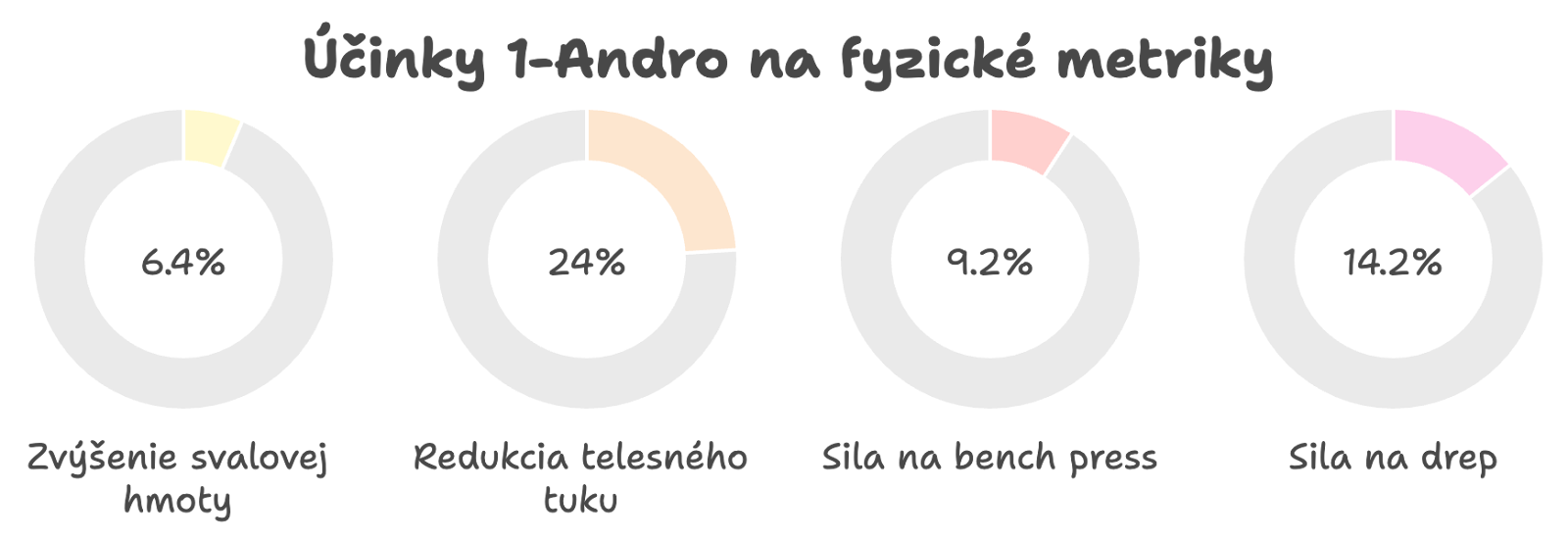
Research confirmed that 1-andro rightfully belongs among the best prohormones for increasing strength and performance. After a month of use, remarkable results appeared:
Muscle mass increased by 6.4% (compared to 0.5% in the placebo group).
Body fat decreased by 24% (compared to 9.5% in the placebo group).
Strength performance increased by:
Bench press: 9.2%
Squat: 14.2%
Deadlift: 14.6%
Prohormones and their impact on testosterone levels proved to be comparable to the effect of 300 mg of injectable testosterone enanthate per week. This finding was groundbreaking because it proved that orally administered prohormones can achieve the efficacy of injectable steroids.
The Dark Side of Success
Despite the impressive results, the study revealed alarming health risks:
Cardiovascular risks:
HDL (protective cholesterol) dropped by 40%.
LDL (risk cholesterol) rose by 30%. These changes significantly increase the risk of cardiovascular diseases.
Liver damage:
A drop in albumin indicating liver stress.
Elevated liver enzymes inducing inflammation.
Risk of developing serious liver diseases.
Signs of kidney damage:
Elevated creatinine.
Decreased kidney filtration capacity.
Impaired blood-cleaning function.
Although the substance demonstrably works, scientists clearly warn – the health risks outweigh the potential benefits. It is alarming that many sellers abuse this study for marketing, while intentionally concealing the severe side effects.
The Evolution of Oral Steroids: From History to the Present
The Problem of Oral Testosterone
Scientists long struggled with the problem of the rapid breakdown of testosterone in the liver. Therefore, research focused on how to minimize the negative effects of prohormones during oral use while maintaining their efficacy.
The Revolution in Research
In the debate of prohormones vs. SARMs: which are more effective and safer, the 1960s—an era of intensive steroid substance development—played a key role. Scientists developed hundreds of compounds with the goal of:
Increasing bioavailability
Prolonging the effect in the body
Maximizing the anabolic effect
Minimizing androgenic side effects
Mechanism of Action and Health Risks
Although the modification of steroids at the 17-alpha position solved the problem of the rapid breakdown of the substance in the body, it brought new health risks:
Accumulation of the substance in liver tissue
Development of inflammatory processes
Disruption of the bile ducts
Potential permanent liver damage
The Importance of Post-Cycle Therapy Proper post-cycle therapy (PCT) after using prohormones is crucial for:
Restoring natural hormonal balance
Minimizing liver damage
Preventing long-term health complications
Preserving achieved results
Although the liver has an exceptional ability to regenerate, long-term use can lead to irreversible changes, including fibrosis, cancer, or organ failure. Therefore, it is essential to follow the recommended procedures and timing of post-cycle therapy.
The Toxic Legacy: Hidden Risks and Effects on Performance
The Dangerous Path to Muscle Growth Prohormones and their effects on muscle regeneration fascinated scientists as early as the 1960s. The case of Superdrol (methasterone) illustrates why maximum caution is needed when experimenting with these substances. Original research by the Syntex company revealed a staggering anabolic potential – four times higher than that of methyltestosterone.
Synergistic Effects and Risks
Although the best prohormone combinations for a synergistic effect promised a revolution in building muscle mass, reality brought a harsh awakening. Superdrol, derived from injectable Masteron, represented a seemingly ideal combination of properties:
A massive increase in strength and muscle mass
Reduced androgenic activity (only 20% of common steroids)
Significant improvement in post-workout recovery
However, preclinical studies revealed a devastating impact on the liver. Despite this, the substance hit the market as a dietary supplement.
Warning Cases from Practice
Medical literature documents three severe cases of health damage following the use of "testosterone boosters":
Case 1 - Superdrol:
Acute liver failure
Long-term recovery
Permanent consequences
Case 2 - Halodrol:
Severe cholestasis
Necessity of hospitalization
Complicated treatment
Case 3 - M-Sten:
Toxic hepatitis
The need for long-term corticosteroid treatment
Impaired muscle regeneration

These cases clearly show that the effort to maximize effects using prohormone combinations can lead to fatal consequences, especially with long-term or incorrect use.
Halodrol: The Return of a Dangerous Legacy
How to distinguish high-quality prohormones from fake products became a key question after the true nature of Halodrol was revealed. This substance was actually a modified version of the infamous oral Turinabol, a steroid massively abused by East German athletes in the 1960s and 70s.
Chemical Modifications and Their Consequences
Most prohormones and their impact on libido and sexual performance were affected by the addition of a methyl group to their structure. Although this modification increased resistance to liver breakdown, it also brought serious health risks. The FDA quickly intervened against Gaspari Nutrition, the manufacturer of the product called Halodrol, which led to its replacement with the safer but less effective substance DHEA.
The Case of M-Sten 2 and DMT
For bodybuilders looking for natural alternatives to prohormones, 2005 brought Ergomax LMG (Max LMG). This substance, also known as DMT or Desoxymethyltestosterone, was originally developed in 1963. It was characterized by:
160% higher anabolic effect than testosterone
Only 60% androgenic activity
Severe cardiovascular risks
Legal Consequences In 2009, a major lawsuit occurred when two men sued Texas companies over the products M-Drol and P-Plex, which caused them liver failure. These cases highlight the importance of searching for safe, natural alternatives to synthetic hormones.
The Hunt for a New Product: Superdrol
After the popular product Superdrol was pulled from the market, dietary supplement manufacturers found themselves under pressure. The demand for effective muscle-building substances remained, but legal options had narrowed. Their answer was the product Super DMZ Rx 2.0, which promised even better results than its predecessor.
A Dangerous Combination
The new product contained two main active ingredients. The first was methylstenbolone, a steroid developed back in 1966. This substance never got the green light for commercial use, and for good reason. Although laboratory tests showed that it outperformed popular oral steroids like Dianabol, Winstrol, or Anavar, the risks were too high.
The second ingredient was dymethazine, essentially a doubled Superdrol. Manufacturers connected two molecules of the original substance with a nitrogen bridge, creating an even stronger compound. Each capsule contained 10 milligrams of both steroids.
Reality vs. Marketing Promises
The manufacturer recommended taking one to two capsules daily for a maximum of one month, followed by a two-month break. Although they did not hide the presence of steroids in the product, they assured users of its safety if instructions were followed. Reality, however, showed something else.
The story of a 26-year-old man serves as a cautionary tale. A young, previously completely healthy person followed all the recommendations. Despite this, he developed severe liver damage within the very first month of use. Medical tests confirmed cholestasis – a condition where liver inflammation prevents the normal flow of bile. This case clearly demonstrates that there is no "safe" use with these substances.
Trenbolone: A Powerful Anabolic Steroid with Unique Properties
Exceptional Properties of Trenbolone
Trenbolone became one of the most popular anabolic steroids among athletes and bodybuilders due to its unique properties that fundamentally affect hormonal balance in the body. Unlike other substances, it did not convert to estrogen, thereby eliminating typical problems like water retention or gynecomastia. Likewise, no DHT was produced, which meant a lower risk of baldness, acne, or prostate enlargement.
Mechanism of Action
As a 19-nor steroid, Trenbolone interacted with progesterone receptors, which had interesting consequences. While for most users this led to the suppression of estrogen receptors, in some individuals, it paradoxically induced estrogenic effects. This interaction also sometimes caused a decrease in libido.
Impact on Body Composition
Prohormones and their effects on burning body fat were extremely pronounced with Trenbolone. Research on castrated rats showed:
A 35-40% increase in muscle mass
Protection against bone mass loss
A significant reduction in visceral fat
Anti-Catabolic Properties
Recent studies revealed that Trenbolone achieves more effective properties than testosterone:
Blocks the catabolic effects of cortisol
Protects muscle tissue from breakdown
Promotes anabolic processes in the body
The Prohormone Version of Trenbolone (Trendione)
Although the most effective prohormones for beginners in bodybuilding often promise a safer alternative to anabolic steroids, the case of Trenbolone shows the risks of this approach. Its prohormone version, known as Trenevar or Trendione, differs from the original molecule by only a minor structural change – it contains a 17-ketone instead of a 17-beta hydroxy group. In the body, this substance enzymatically converts into actual Trenbolone. With this substance, we can talk about the most effective prohormones for beginners in bodybuilding.
The Problematic History of Supplements
The supplement "Methoxy TRN" represents a cautionary tale of deceptive marketing. Although it was supposed to contain only a Trenbolone-like substance, laboratory analyses revealed the presence of actual Trenbolone. This discovery led to the rapid withdrawal of the product from the market.
Dangerous Extraction Practices
Currently, the only source of Trenbolone remains Finiplix pellets used in the cattle industry. Instructions and "kits" for processing these pellets using solvents are appearing on the internet. This extremely dangerous practice poses a serious health risk.
Alarming Research Findings
A recent animal study revealed concerning effects of Trenbolone on the brain:
The ability to cross the blood-brain barrier
Neuronal death in the hippocampus (the center of memory and learning)
Increased production of proteins associated with Alzheimer's disease
Unlike testosterone, which protects the brain, Trenbolone can cause its damage. These findings emphasize the need for maximum caution when experimenting with hormonal substances.
Why Doesn't the Liver React the Same Way in Everyone? A Comprehensive Look at the Risks
The difference between steroids and prohormones is most pronounced in their impact on the liver. While oral anabolic steroids are chemically modified at the 17-alkyl position, prohormones usually contain an added methyl group. Both types of substances, however, can cause severe liver damage.
The Mechanism of Liver Damage
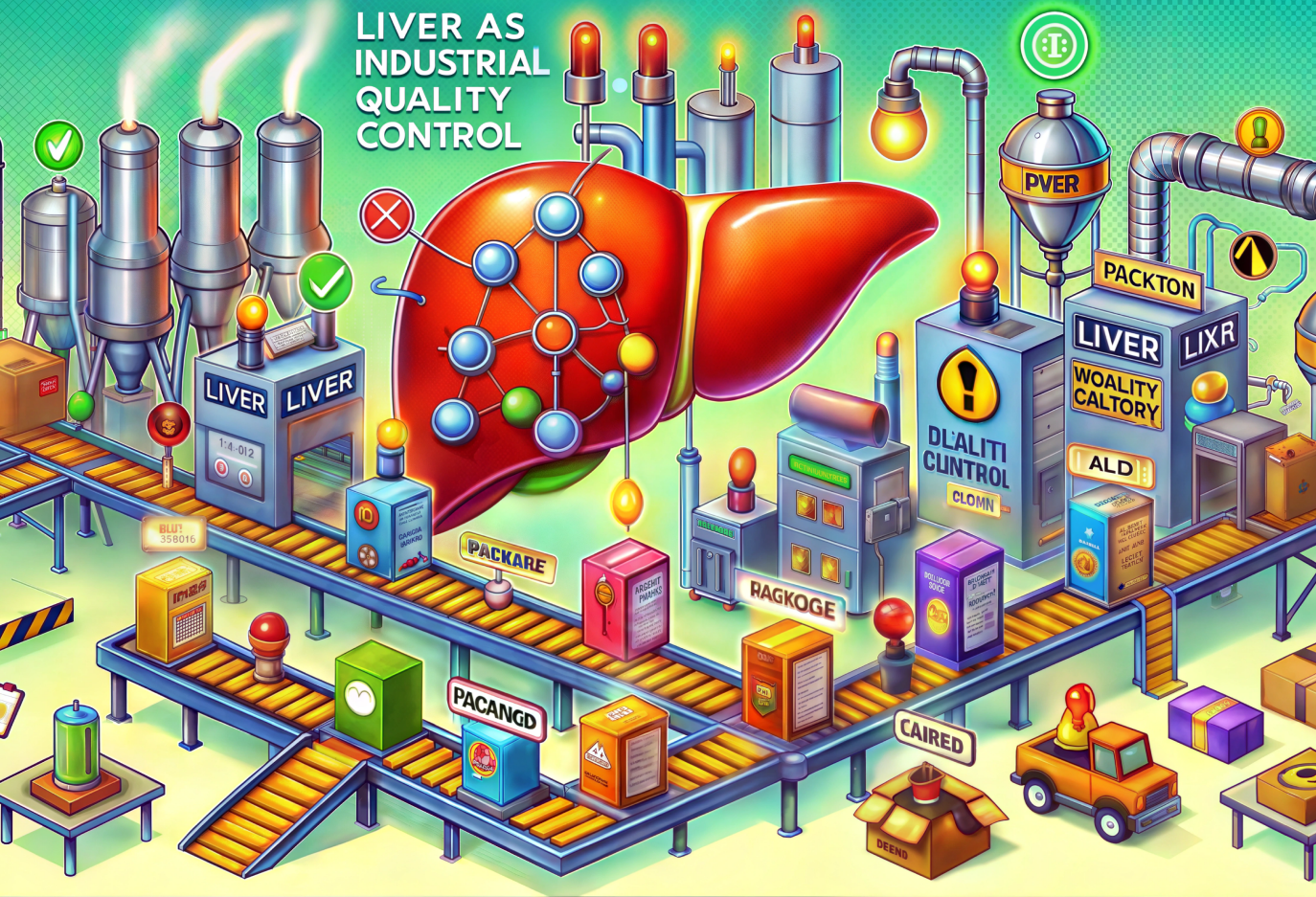
What prohormones are and how they work in the body is closely related to their metabolism in the liver. Although structural modifications of these substances prevent their premature breakdown, they lead to accumulation in liver tissue. The result is inflammation, which manifests as elevated liver enzyme levels.
Individual Body Reaction
While some users look for ways on how to increase testosterone levels naturally, others reach for synthetic substances. Interestingly, not every user of steroids or prohormones suffers from liver problems. However, there is always some degree of liver strain, which can manifest as:
Elevated liver enzyme levels
Disruption of bile flow
In severe cases, jaundice and itching
The Role of Bile
The liver produces bile from cholesterol, which is subsequently stored in the gallbladder. When consuming fatty foods, the peptide CCK is released, stimulating the release of bile. This natural process can be disrupted by the use of these synthetic hormones.
Genetic Predispositions and Risks: Why Do We Need Safe Alternatives to Anabolic Steroids?
The Mechanism of Liver Damage
When examining how prohormones affect muscle building, we must also understand their impact on the liver. Progressive inflammation in the liver triggers a cascade of problems. It starts with the blockage of bile ducts, which leads to the accumulation of bile directly in the liver tissue. This process gradually damages liver cells and can result in the release of bile into the bloodstream, which manifests as jaundice.
The Genetic Factor in the Development of Complications
There are specific genetic variants in the population that increase the risk of developing cholestasis. These genes can be inactive for years, but the use of anabolic substances can "awaken" them. It is like a ticking time bomb – you never know if you have this genetic predisposition that will only manifest upon contact with steroids.
Safe Alternatives to Anabolic Steroids
Given these risks, it is important to consider more natural ways to build muscle:
Optimizing natural hormone production
Proper nutrition rich in protein
Regular strength training
Adequate recovery
Quality sleep
Warning Signs
Even if you have a genetic predisposition to liver problems, it does not automatically mean permanent damage. The key is the early recognition of problems and the immediate cessation of prohormone use. Unfortunately, some users ignore the warning signs, which in extreme cases has led to the need for a liver transplant.
Most importantly, problems arise very quickly when users combine large quantities of various substances over a long period, ignoring the advice of manufacturers, sellers, and doctors. Furthermore, they often combine these toxic substances with alcohol, recreational drugs, and other medications. You might as well take a hammer and smash it directly against your liver. The effect would be, at the very least, similar.
Are You Getting What You Pay For? An Analysis of Supplement Quality on the Market
High Price Does Not Guarantee Quality
Synthetic hormone precursors represent a significant investment for consumers. You can pay €40 to €70 for a single box of such a supplement, which naturally creates an expectation of premium quality. The reality, however, is much more complicated, as revealed by an extensive British study focused on analyzing over-the-counter testosterone support supplements.
Shocking Lab Test Results
Scientists analyzed 24 different products from two brick-and-mortar stores and one online retailer. The results revealed an alarming situation regarding quality control. Almost all products (23 out of 24) contained steroids, but the problem was that in most cases (16 products), these were completely different substances than those listed on the label. One product even contained no steroids at all, despite declaring their presence.
Dangerous Substitutions
The anabolic substances to support muscle growth found by scientists in these products included dangerous, old steroids from the 1960s, such as methasterone (Superdrol) and DMT (Dimethyltestosterone). These substances were originally discarded from pharmaceutical research due to their toxicity. Newer designer steroids, including methyl-1-testosterone, were also found. All these products were marketed as "legal to sell," which was in direct contradiction with reality.
Scams with Cheap Substitutes
The most concerning finding was the deliberate substitution of active ingredients with weaker alternatives. Instead of the promised strong anabolic substances, many products contained only DHEA or androstenedione – substances with minimal anabolic effect. Specific cases included:
Super tren-MG: The label promised a strong anabolic effect, but it actually contained only DHEA.
19-nor-tren: Despite the name suggesting the presence of trenbolone, it contained only DHEA.
Super Halo: Another case of deceptive labeling of a product containing DHEA.
Straight Drol: Instead of the declared substances, it contained only androstenedione.
Epivol Black: A mixture of androstenedione and methasterone.
Straight Phlexed: Again, only androstenedione.
The Problem of Chinese Production
A significant factor affecting quality is the origin of the raw materials. Most of these "supplements" are manufactured in China, which is known for its problematic quality control. This means that besides deliberate fraud with active ingredients, there is also a real risk of:
Contamination by other substances
The presence of heavy metals
Incorrect dosing of active ingredients
The presence of undeclared additives
This situation strongly resembles the black market for steroids, where approximately one-third of products do not meet their declared composition. For the consumer, this means not only a financial loss but, above all, a significant health risk.
Not to mention that manufacturers often sell "hot water." As a customer, you have no way to verify the content of the product inside the capsules, tablets, or the percentage of whey protein in your tub. The company Olymp from Poland receives heavy fines every year for failing to meet the quality and quantity of raw materials. The company clearly does not mind, as the profit far exceeds the risk of the fine amount.
The Surprising Content of Dietary Supplements: The Case of Esto Suppress
The Broader Problem of Dietary Supplements
When we ask what prohormones are and how they work, we must also look at other categories of supplements. A recent study published in the British Medical Journal revealed concerning findings about a product called Esto Suppress, which was supposed to help bodybuilders lower estrogen levels.
Estrogen and Its Impact
Understanding the differences between steroids and prohormones is crucial to grasping this issue. When using anabolic steroids, hormones are often converted into estrogen via the enzyme aromatase, which is found in muscles, fat, and other tissues. Elevated estrogen levels can cause:
Gynecomastia (enlargement of breast tissue in men)
Water retention in the body
Other adverse effects
A Surprising Ingredient
While many are looking for ways to increase testosterone levels naturally, the product Esto Suppress contained an unexpected substance – tamoxifen (Nolvadex), which is a prescription drug. An analysis of four samples revealed alarming differences:
First sample: 3.8 mg of tamoxifen
Second sample: 0.9 mg of tamoxifen
Third sample: 3.0 mg of tamoxifen
Fourth sample: No tamoxifen
A Serious Finding
The recommended dosage (two capsules a day) would, in the case of the first sample, mean an intake of 7.6 mg of tamoxifen. For comparison, the doctor-prescribed dose of Nolvadex for treating gynecomastia is 10-20 mg per day.
Key Problems:
Significant differences in the active ingredient content between individual packages.
The use of the complex chemical name of tamoxifen, which a regular user will not recognize.
The unwitting use of a prescription drug.
The lottery effect – some packages contained the active substance, while others did not.
The Search for Safe Alternatives
Nowadays, when many are actively seeking safe alternatives to anabolic steroids, the popularity of "natural" thyroid support supplements is growing. These products lure consumers with promises of increasing metabolism and burning fat effectively. However, a recent scientific study brought alarming findings that all potential users should know.
Shocking Lab Test Results
Scientists analyzed 10 over-the-counter thyroid supplements purchased from online stores. The results surprised even experienced researchers:
They found the T3 hormone in 90% of the products.
Half contained the T4 hormone.
Some supplements contained higher amounts of hormones than prescription medications.
This finding is highly concerning because synthetic hormone precursors in uncontrolled doses can cause serious health complications.
The Case of T2: A Marketing Trick or a Real Solution?
The substance T2 (3,5-diiodo-L-thyronine) is often presented as a revolutionary solution for athletes. Initial studies on rodents did indeed show remarkable results:
Significant body weight reduction
A dramatic improvement in fat metabolism
A positive impact on cholesterol
How prohormones affect muscle building is a complex topic, but with T2, we must be extremely cautious.
The Dark Side of T2
More detailed research revealed serious risks:
At normal doses:
Suppresses natural thyroid hormone production
Increases appetite
Paradoxically, can lead to fat gain
At high doses:
Causes enlargement of the heart muscle
Dangerously raises body temperature
Disrupts natural metabolism
Online "expert" blogs often present T3 as a miracle solution with no side effects. However, scientific evidence tells a different story:
Lower doses disrupt natural hormonal balance.
Higher doses pose a risk to the heart.
The alternative version of T2 (3,3-diiodo-L-thyroxine) proved to be completely ineffective.
Ephedrine: The Story of a Controversial Fat Burner
The Era of Effective Fat Burning
Synthetic hormone precursors have taken various forms in the history of dietary supplements. However, one of the most successful and well-known weight loss stimulants was ephedrine, a synthetic version of the methamphetamine-like substance from the Ma Huang herb, or the ephedra plant. In combination with caffeine and occasionally aspirin, it created a highly effective fat-burning complex. Products with this composition were often marketed as T3, which ranks among the best fat burners.
Its mechanism of action included:
Supporting the conversion of inactive T4 hormone into active T3
Thermogenic effect (converting calories into heat)
Increasing metabolism and fat burning
Loss of appetite and subsequent weight loss
The Road to the Ban
While many were researching how prohormones affect muscle building, ephedrine became a target for regulatory authorities. Its withdrawal from the market in 2004 had several reasons:
Undeclared reasons:
Too high an efficacy compared to pharmaceutical drugs
Threatening the interests of the pharmaceutical industry
Being a precursor for the production of hard drugs
Official reasons:
Reports of side effects
Protection of public health
The Truth About Safety
Interestingly, healthy individuals using ephedrine according to recommendations had no problems. Complications occurred only in:
People with existing cardiovascular problems
Cases of overdose
Users ignoring warning labels on products
An Unexpected Problem
The chemical structure of ephedrine presented another problem – it was only one molecule away from methamphetamine (crystal meth). This factor led to:
The abuse of ephedrine in illegal laboratories
Attempts by manufacturers to add deterrent substances
The retention of stimulant effects similar to strong coffee
In combination with caffeine before a workout, ephedrine provided stimulant effects similar to methamphetamine, but without the devastating side effects.
After the ban on ephedrine, a gap was created in the market, which was quickly filled by new pre-workout formulas. These products were just as dangerous as anabolic substances for supporting muscle growth, often containing:
Designer amphetamines with absolutely no human research
Substances mimicking the effects of ephedrine
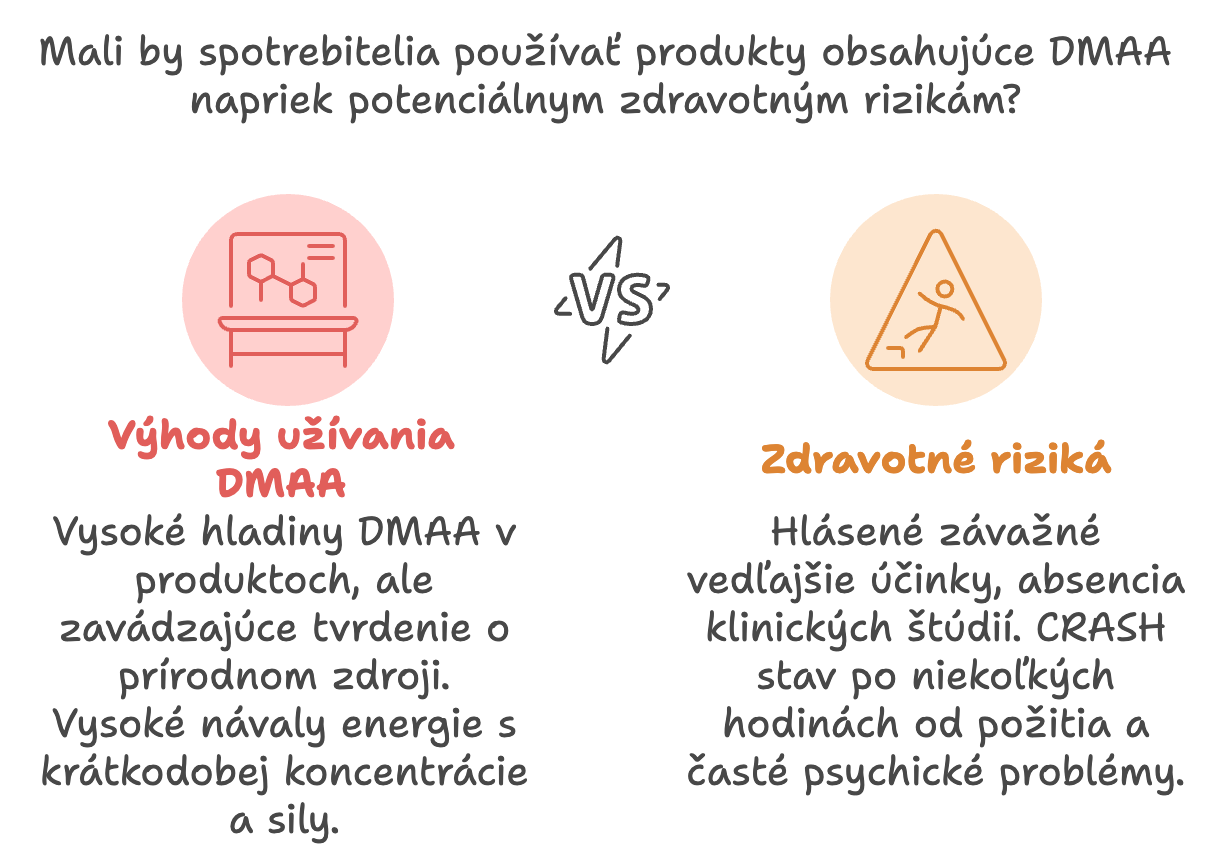
Old, long-withdrawn drugs like DMAA
New, completely unresearched compounds
Fatal Cases: Warning Signs
The case of a young wrestler is particularly tragic. An eighteen-year-old athlete, full of ambitions and dreams, was found dead in his own home. An autopsy revealed a shocking truth – his heart stopped due to a massive dose of pure caffeine, which he used as a pre-workout stimulant. His mother later found a bag of pure caffeine purchased over the internet – a silent killer that ended a young life.
In another case, a 39-year-old man could not even make it home – he was found dead in front of his own door. White powder on his clothes and in his car, along with an open package of caffeine powder, told a similar story of an overdose. These are by no means all the cases.
The Bodybuilder Who Survived
The case of a 28-year-old bodybuilder serves as a cautionary but educational tale. His desire for maximum performance led him to an extreme combination:
18 caffeine tablets (each containing 200 mg)
3 cups of strong coffee
Total dose: over 4 grams of caffeine
The result? A collapse in the gym followed by a fifteen-minute epileptic seizure. Hospital tests showed the full extent of the damage:
Rhabdomyolysis (massive breakdown of muscle tissue)
Severe heart palpitations
Extreme nervousness
Unbearable leg pain
Complete insomnia
Understanding Caffeine Limits
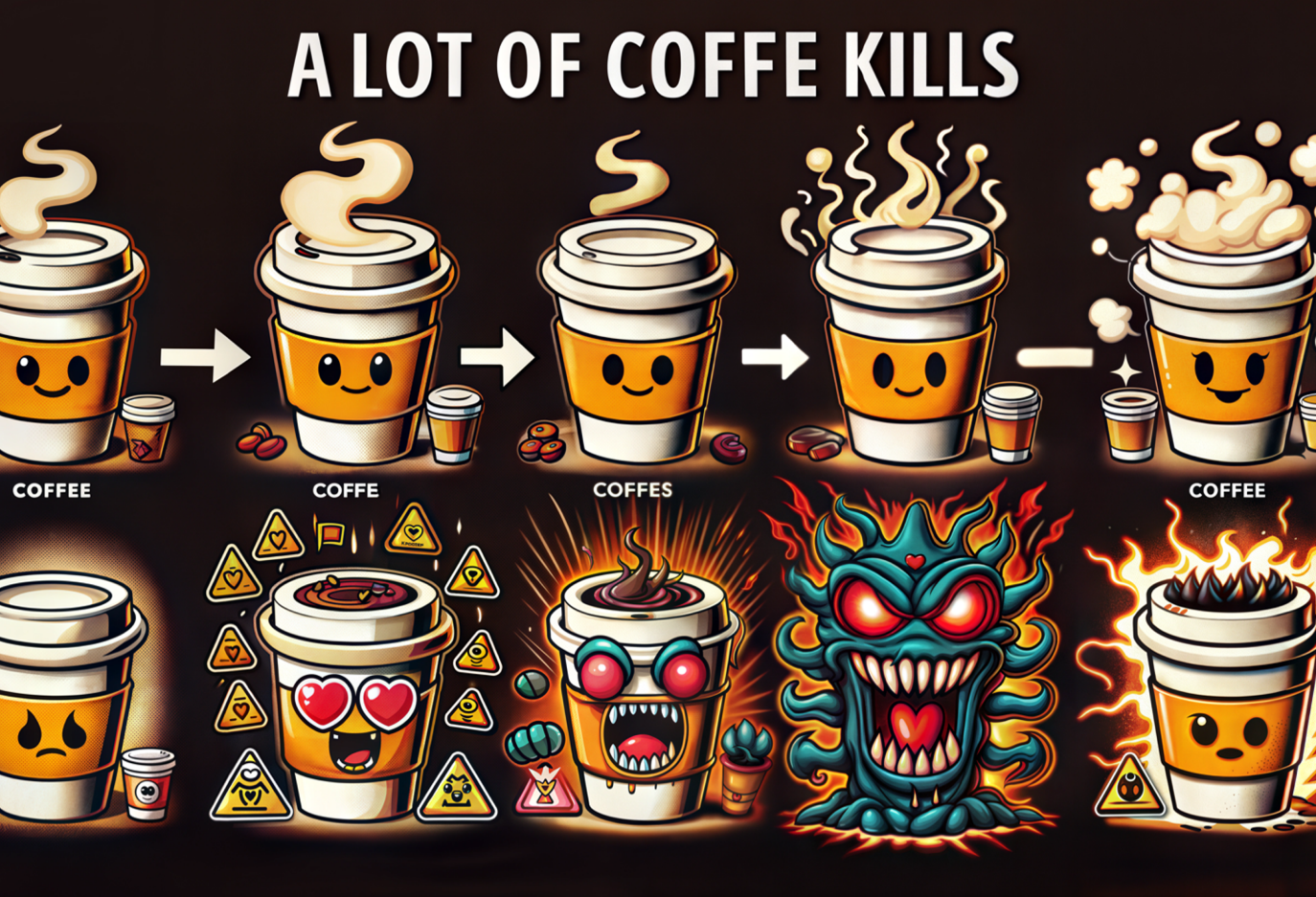
To get an idea of the danger:
A standard cup of coffee: 80-100 mg of caffeine
First signs of overdose: 750 mg (approximately 8 cups of coffee)
Toxic blood level: 15 mg/liter
Lethal limit: 25 mg/liter
The bodybuilder had 12.3 mg/liter in his blood - he was dangerously close to the toxic limit. His survival after three days in the hospital can be considered a small miracle.
From Caffeine to Liver Failure: Pre-Workout Pumps
The Danger of Pure Caffeine
While regular coffee or tea represents a safe source of caffeine, the new trend of using pure caffeine powder for muscle mass growth supplements brings severe health risks. A single teaspoon contains an amount of caffeine equivalent to 25 cups of coffee. Although manufacturers recommend microscopic doses (1/16 to 1/32 of a teaspoon), precise dosing is practically impossible without laboratory equipment. Common kitchen utensils can lead to a fatal overdose.
An Alarming Trend in Hawaii
In May 2013, Dr. Linda Wong, a liver transplant specialist, began observing a concerning pattern. In four months, four cases of acute liver failure appeared in her department - a frequency that normally corresponded to an entire year's occurrence. The patients shared a common profile: young to middle-aged bodybuilders using the pre-workout pump OxyELITE Pro.
Anatomy of a Disaster
The situation took on dramatic proportions:
By September, the number of affected individuals rose to eight.
In October, an investigation linked 29 cases of toxic hepatitis to the use of this dietary supplement.
The final count exceeded 100 cases in 16 US states.
Some patients required a liver transplant, and one case ended in death.
Controversial Product Reformulation
USP Labs, the manufacturer of OxyELITE Pro, changed the product's composition a few months before the crisis. The original active ingredient, DMAA, an amphetamine-like substance, was banned after a series of strokes and other serious health complications. DMAA made its way into supplements based on a single Chinese study that claimed its presence in geranium oil. This study later proved to be false - all DMAA in the supplements was synthetic.
Aegeline: A Dangerous Substitute
After the ban on DMAA, the manufacturer reached for aegeline, a little-known substance from the Asian Bael tree. The logic was simple - its natural origin was supposed to guarantee legality under the 1994 Dietary Supplement Health and Education Act. However, this step ignored basic safety standards:
There were no scientific safety studies.
Data from animal and human tests were missing.
Traditional medical use was not sufficiently documented.
Although the substance aegeline is considered the probable culprit behind the liver failures, it remains unexplained why the problems did not manifest in all users. Similar to designer steroids, SARMs, and prohormones, genetic predisposition may play a role here as well. Exact data is simply missing.
The Rise and Fall of Craze
In 2011, a product entered the dietary supplement market that was supposed to change the rules of the game. A game-changer named Craze, promoted as a revolutionary supplement promising "endless energy," quickly gained the attention of the bodybuilding community. Similar to other substances stimulating testosterone production, this product was intended to support extreme training performances. Its success culminated in winning the prestigious "Supplement of the Year" award at the Mr. Olympia competition.
Revealing the Truth
The situation changed dramatically when positive doping tests began appearing at competitive events. Bodybuilders who had never admitted to using methamphetamine shared one common element - they all used Craze. The manufacturer claimed the main ingredient was dendrobium orchid extract, which theoretically would classify the product as safe. However, independent laboratory analyses revealed a concerning truth - the presence of a new, previously undescribed designer methamphetamine.
A New Threat: Frenzy
When the company Driven Sports launched a new pre-workout supplement called Frenzy in April 2014, they focused primarily on the European market. Similar to others, this product sought to evade strict FDA regulation. The manufacturer refused to identify the active ingredient. In some European countries, unlike the US, this was possible.
DMBA: The Dangerous Successor to DMAA
Laboratory analyses of Frenzy revealed the presence of DMBA, an analog of the already banned substance DMAA. Although the manufacturer claimed it was a natural extract from Pouchong tea, the numbers spoke volumes:
To obtain 12 mg of natural DMBA, it would be necessary to process a ton of tea.
However, the products contained 26-320 mg of DMBA per dose.
At the recommended dosage, the user ingested 210 mg of DMBA.
Health Risks and the Need for Intervention
Users of these products often reported severe side effects:
Uncontrollable bursts of energy
Psychomotor agitation
Disturbances in movement perception
Abnormally heightened concentration
The absence of human clinical studies makes users of these substances involuntary participants in a dangerous experiment.
Final Recommendations: Health Protection First
Basic safety rules When considering the use of dietary supplements, it is essential to follow common sense and scientific knowledge. The basic rule should be to avoid all products that do not have clearly declared active ingredients on the label. Lack of transparency in the composition is the first warning sign of potential risk.
The danger of designer steroids Despite the passage of new laws that restricted the legal availability of designer steroids, these substances continue to be sold illegally over the internet. It is important to understand that some of these "supplements" are actually unapproved, unresearched substances. Their use can represent an uncontrolled experiment on your own body, which can have disastrous consequences.
Risks of pre-workout stimulants Pre-workout supplements are particularly dangerous, as they often pose a greater acute risk than designer steroids. If you decide to use them, it is absolutely crucial to be certain that they do not contain added, undeclared substances. When in doubt, it is always safer not to use such a product.
The importance of being informed State authorities regularly update their websites with recalled products and warnings. Monitoring this information should be part of the responsible approach of anyone considering the use of dietary supplements. Ignoring these warnings can have serious health consequences.
Final lesson In the field of dietary supplements, it is true more than anywhere else: if something sounds too good to be true, it probably is not true. Your health is too valuable to risk for unverified promises of quick results.
Sources
Abbate, V, et al. Anabolic steroids detected in bodybuilding dietary supplements–a significant risk to public health. Drug Test Analysis 2014: in press.
Grandados, J, et al. Prohormone supplement 3b-hydroxy-5a-androst-1-en-17-one enhances resistance training gains but impairs health. J App Physiol 2014;116:560-69.
Kang, GY, et al. Thyroxine and triiodothyronine content in commercially available thyroid health supplements. Thyroid 2013; 23:1233-37.
Evans-Brown, M, et al. Is the breast cancer drug tamoxifen being sold as a bodybuilding supplement? Brit J Med 2014 348g 1478.
Cohen, PA, et al. A synthetic stimulant never tested in humans, 1, 3 dimethylbutylamine (DMBA) is identified in multiple dietary supplements. Drug Test Analysis 2014: in press.
Cohen, PA, et al. A methamphetamine analog (N, a-diethyl-phenylethylamine) is identified in a mainstream dietary supplement. Drug Test Analysis 2013.
Krishnan, PV, et al. Prolonged intrahepatic cholestasis and renal failure secondary to anabolic-androgenic steroid-enriched dietary supplements. J Clin Gastroent 2009;43: 672-75.
Ye, F, et al. Transcriptional regulation of myotrophic actions by testosterone and trenbolone on androgen-responsive muscle. Steroids 2014: in press.
Facui, M, et al. 17-B-trenbolone, an anabolic-androgenic steroid as well as an environmental hormone, contributes to neurodegeneration. Toxicol Appl Pharmacol 2015;282;68-76.
Agbenyefia P, et al. Cholestatic jaundice with the use of methylstenbolone and dymethazine, designer steroids found in Super DMZ Rx 2.0 “nutritional supplement”: a case report. J Invest Med High Impact case reports 2014: in press.
El Sherrif, V, et al. Hepatotoxicity from anabolic androgenic steroids marketed as dietary supplements: Contribution from ATP8B1/ABCB11 mutations? Liver Int 2014.
Hernandez, A. 3,5-diiodo-L-thryonine (T2) in dietary supplements: What are the physiological effects? Endocrinol 2015; 156: 5-7.
https://www.appliedmetabolics.com/supplements-drugs-jerry-brainum
I am attaching a list of currently banned substances in the Slovak Republic, for which even mere possession (use for personal consumption) carries a risk of imprisonment from 5 to 12 years. I am bringing this to your attention since some young gym-goers still think they are playing with candy. Following the change in laws in 2024, when drug legislation was softened, banned substances and steroids remained, in some cases, more strictly punished than hard drugs.
A. Androgenic Anabolic Steroids (AAS):
a) Exogenous AAS containing:
1-androstenediol (5α-androst-1-ene-3β,17α-diol);
1-androstenedione (5α-androst-1-ene-3,17-dione);
bolandiol (estr-4-ene-3β,17β-diol);
bolasterone;
boldenone;
boldenone undecylenate;
boldenone acetate;
boldione (androsta-1,4-diene-3,17-dione);
calusterone;
clostebol;
danazol ([1,2]oxazolo[4´,5´:2,3]pregna-4-ene-20-yn-17α-ol);
dehydrochloromethyltestosterone (4-chloro-17β-hydroxy-17α-methylandrosta-1,4-dien-3-one);
desoxymethyltestosterone (17α-methyl-5α-androst-2-en-17β-ol);
drostanolone;
drostanolone propionate;
drostanolone enanthate;
ethylestrenol (19-norpregna-4-en-17α-ol);
fluoxymesterone;
formebolone;
furazabol (17α-methyl [1,2,5] oxadiazolo [3´,4´:2,3]-5α-androstan-17α-ol);
gestrinone;
4-hydroxytestosterone (4,17β-dihydroxyandrost-4-en-3-one);
mestanolone;
mesterolone;
methenolone;
methenolone acetate;
methandienone (17α-hydroxy-17α-methylandrosta-1,4-dien-3-one);
methandriol;
methasterone (17α-hydroxy-2α,17α-dimethyl-5α-androstan-3-one);
methyldienolone (17α-hydroxy-17α-methylestra-4,9-dien-3-one);
Methyl-1-testosterone (17α-hydroxy-17α-methyl-5α-androst-1-en-3-one);
methylnortestosterone (17β-hydroxy-17α-methylestr-4-en-3-one);
metribolone (methyltrienolone, 17α-hydroxy-17α-methylestra-4,9,11-trien-3-one);
methyltestosterone;
mibolerone;
nandrolone;
nandrolone phenylpropionate;
nandrolone decanoate;
19-norandrostenedione (estr-4-ene-3,17-dione);
norboletone;
norclostebol;
norethandrolone;
oxabolone;
oxandrolone;
oxymesterone;
oxymetholone;
prostanozol (17α-[(tetrahydropyran-2-yl)oxy]-1´H-pyrazolo[3,4:2,3]-5α-androstane);
quinbolone;
stanozolol;
stenbolone;
1-testosterone (17β-hydroxy-5α-androst-1-en-3-one);
tetrahydrogestrinone (17-hydroxy-18α-homo-19-nor-17α-pregna-4,9,11-trien-3-one);
trenbolone (17α-hydroxyestr-4,9,11-trien-3-one);
trenbolone acetate.
b) Endogenous AAS:
androstenediol (androst-5-ene-3β,17β-diol);
androstenedione (androst-4-ene-3,17-dione);
prasterone (dehydroepiandrosterone, DHEA, 3β-hydroxyandrost-5-en-17-one);
dihydrotestosterone (17β-hydroxy-5α-androstan-3-one);
testosterone and its esters, metabolites, and isomers including:
testosterone propionate,
testosterone phenylpropionate,
testosterone isobutyrate,
testosterone isocaproate,
testosterone decanoate,
testosterone enanthate,
5α-androstane-3α,17α-diol,
5α-androstane-3α,17β-diol,
5α-androstane-3β,17α-diol,
5α-androstane-3β,17β-diol,
androst-4-ene-3α,17α-diol,
androst-4-ene-3α,17β-diol,
androst-4-ene-3β,17α-diol,
androst-5-ene-3α,17α-diol,
androst-5-ene-3α,17β-diol,
androst-5-ene-3β,17α-diol;
4-androstenediol (androst-4-ene-3β,17β-diol);
5-androstenedione (androst-5-ene-3,17-dione);
epi-dihydrotestosterone;
3α-hydroxy-5α-androstan-17-one;
androsterone (3β-hydroxy-5α-androstan-17-one);
19-norandrosterone;
19-norethiocholanolone.
2. Other anabolic substances containing:
adenocorine (19-nortestosteronyl decanoate; 17-β-estr-4-en-3-oxo-17-yl decanoate);
anasterone (oxymetholone; 17β-hydroxy-2-(hydroxymethylene)-17-methyl-5α-androstan-3-one);
1,4-androstadiene-3,17-dione;
1,4-androstadiene-3β,17β-diol;
atamestane (1-methylandrosta-1,4-diene-3,17-dione);
bolazine (dimethazine; mebolazine; (2α,3E,5α,17β,2’α,3’E,5’α,17’β)-3,3’-[(1E,2E)-1,2-hydrazinediylidene]bis(2-methylandrostan-17-ol));
bolenol (19-nor-17α-pregn-5-en-17-ol);
bolmantalate (17β-estr-4-en-3-on-17-yl 1-adamantanecarboxylate);
clenbuterol;
clostebol acetate (turinabol);
cloxotestosterone (17α-(2,2,2-trichloro-1-hydroxyethoxy)androst-4-en-3-one);
dehydroepiandrosterone;
dihydrolone;
4-dihydrotestosterone;
dimethazine (mebolazine; (2α,3E,5α,17β,2’α,3’E,5’α,17’β)-3,3’-[(1E,2E)-1,2-hydrazinediylidene]bis(2-methylandrostan-17-ol));
dimethylandrostanolone;
enestebol (4,17α-dihydroxy-17-methyl-1,4-androstadien-3-one);
enobosarm (ostarine);
epitestosterone (17-α-hydroxyandrost-4-en-3-one);
epitiostanol (2-α,3-α-epithio-5-α-androstan-17-β-ol);
ethisterone;
ethyldienolone;
ethylestrenol ((17α)-19-norpregn-4-en-17-ol);
hydroxystenozol;
chloroandrostenolone;
chloroxydienone;
chloroxymesterone;
mebolazine ((2α,3E,5α,17α,2’α,3’E,5’α,17’α)-3,3’-[(1E,2E)-1,2-hydrazinediylidene]bis(2-methylandrostan-17-ol));
mesabolone (17α-((1-methoxycyclohexyl)oxy)-5α-androst-1-en-3-one);
methandione (17α-hydroxy-17α-methylestra-4,9-dien-3-one);
methylclostebol;
normethandrone (17α-methyl-17β-hydroxyestr-4-en-3-one);
ovandrotone;
7-oxodehydroepiandrosterone;
propethandrol;
roxibolone (11α,17α-dihydroxy-17-methyl-3-oxoandrosta-1,4-diene-2-carboxylic acid);
testolactone (13-hydroxy-3-oxo-13,17-secoandrosta-1,4-diene-17-carboxylic acid lactone; D-homo-17α-oxaandrosta-1,4-diene-3,17-dione);
tibolone;
thiomestrone;
trestolone (7α-methylnandrolone; 7α-methyl-19-nortestosterone; 17β-hydroxy-7α-methylestr-4-en-3-one);
zearalenone ((14S,5E)-3,4-c[2,4-dihydroxybenzo]-7,8,11,12,13,14-hexahydro-14-methyl-2H-cyclotetradecin-2,10(9H)-dione);
zeranol;
zilpaterol (zilmax).
B. HORMONES AND RELATED SUBSTANCES
Substances stimulating erythropoiesis (e.g., erythropoietin EPO, darbepoetin EPO).
Growth hormone (hGH), somatropin.
Insulin-like growth factors (e.g., IGF-1), mecasermin.
Mechano growth factors (MGF).
Gonadotropins (hCG) and luteinizing hormone (LH).
Insulin (insulins in general).
Corticotropins.
C. HORMONE ANTAGONISTS AND MODULATORS
1. Aromatase inhibitors containing:
aminoglutethimide;
anastrozole;
exemestane;
formestane;
letrozole;
testolactone.
2. Selective estrogen receptor modulators (SERMs) containing:
raloxifene;
tamoxifen;
toremifene.
3. Selective androgen receptor modulators (SARMs) containing:
andarine;
enobosarm (ostarine);
tibolone;
Compounds designated as: LGD-4033; BMS-564,929; LG-121071; GSK-078A; SARMS-1, S-4, S-22.
4. Other anti-estrogenic substances containing:
cyclofenil;
fulvestrant;
clomifene.
5. Substances modifying myostatin functions, including myostatin inhibitors (stamulumab).
Dr. AminöXy