

Feeling tired after lunch, craving something sweet a few hours later, or the sensation that your energy levels are constantly rising and falling throughout the day. These days, it’s all too easy to blame it on a ‘glucose spike’. Social media is full of advice on how to flatten the glucose curve, in what order to eat different foods, or what to have before a meal to keep blood sugar levels from spiking as much as possible.
To a large extent, this trend has been popularised by the French biochemist Jessie Inchauspé, known as the Glucose Goddess, and her concept of the ‘glucose revolution’.
Some of the recommendations she promotes have a sound scientific basis. Others are interpreted online in a much broader way than the available evidence supports.
So what do we actually know about glucose, its fluctuations and simple ways to influence the post-meal glycaemic response?
What is glucose and why does the body need it?
Glucose is a simple sugar and one of the main sources of energy for the human body. It is produced, for example, during the digestion of carbohydrates and is subsequently carried by the blood to cells, which can use it as a source of energy.
When blood glucose levels rise after a meal, the pancreas releases insulin. This helps glucose move from the blood into the cells.
A certain rise in glucose levels after a meal is therefore a normal physiological response.
The aim for a healthy person is not to achieve a perfectly flat glucose curve throughout the day. The glycaemic response naturally varies depending on the amount and type of carbohydrates, the composition of the meal, physical activity, sleep, stress and individual differences.
Controlling blood glucose levels is particularly important in cases of prediabetes, diabetes and insulin resistance. Whilst postprandial glucose fluctuations are being studied intensively in people without diabetes, their long-term clinical significance has not yet been clearly defined.
Therefore, there is no need to worry about every natural rise in glucose levels after every piece of fruit or every serving of pasta. The overall quality of one’s diet and lifestyle is far more important.
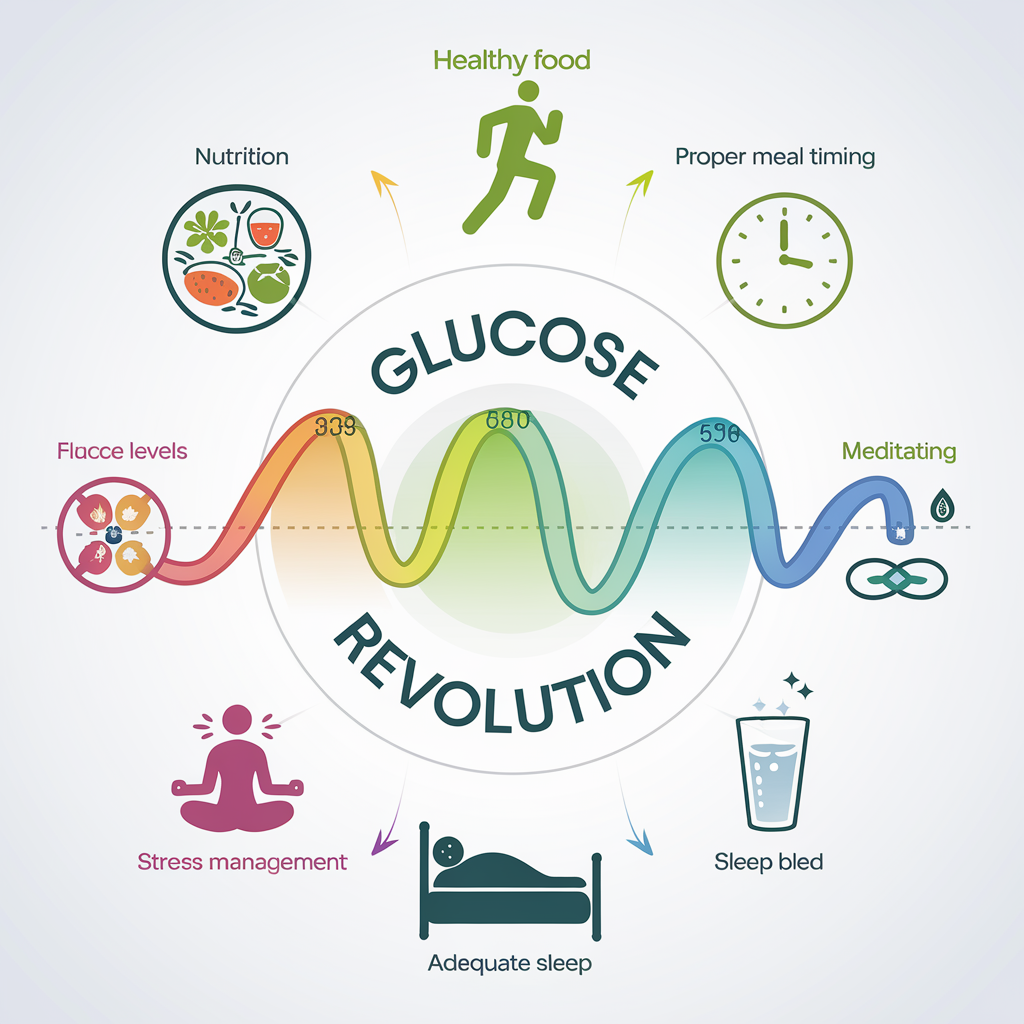
What exactly is the ‘glucose revolution’?
The glucose revolution is neither an official medical method nor a standalone diet.
Rather, it is a set of practical strategies aimed at reducing or slowing down the rise in glucose levels after a meal. These include, for example:
eating vegetables, protein and fats before the carbohydrate part of a meal,
combining carbohydrates with protein, fats and fibre,
taking a short walk after a meal,
limiting sugary drinks,
or consuming vinegar with or before a meal.
Some of these practices are also supported by clinical studies. However, this does not mean that ‘flattening the glucose curve’ automatically leads to weight loss, cures fatigue or resolves a host of other health problems.
Let’s therefore look at each recommendation individually.
Tip No. 1: Does the order in which you eat matter?
One of the best-known rules of the glucose revolution is to eat your food in roughly the following order:
vegetables and sources of fibre,
protein and fats,
the carbohydrate part of the meal.
At first glance, this might seem like an internet myth, but there are actually some rather interesting findings regarding the order in which food is eaten.
Randomised studies have shown that eating vegetables or protein before the carbohydrate portion of the same meal can reduce the rapid rise in glucose levels after eating. A similar effect has been observed in people with type 2 diabetes, prediabetes and healthy adults.
A systematic review from 2026 also found that the order in which food is eaten can mitigate the acute postprandial glycaemic response in healthy adults.
However, it is important to note that most studies examine the short-term response following a single meal or a few meals. So far, we have significantly less high-quality data on whether changing the order of food intake alone brings significant long-term health benefits to healthy individuals.
In practice, therefore, you can happily start your meal with a salad or vegetables and only then move on to meat, a side dish or dessert. However, there is no need to turn lunch into a laboratory protocol and wait ten minutes between each course.
What’s more important is what the whole meal contains.
Tip No. 2: Combine carbohydrates with fibre, protein and fats
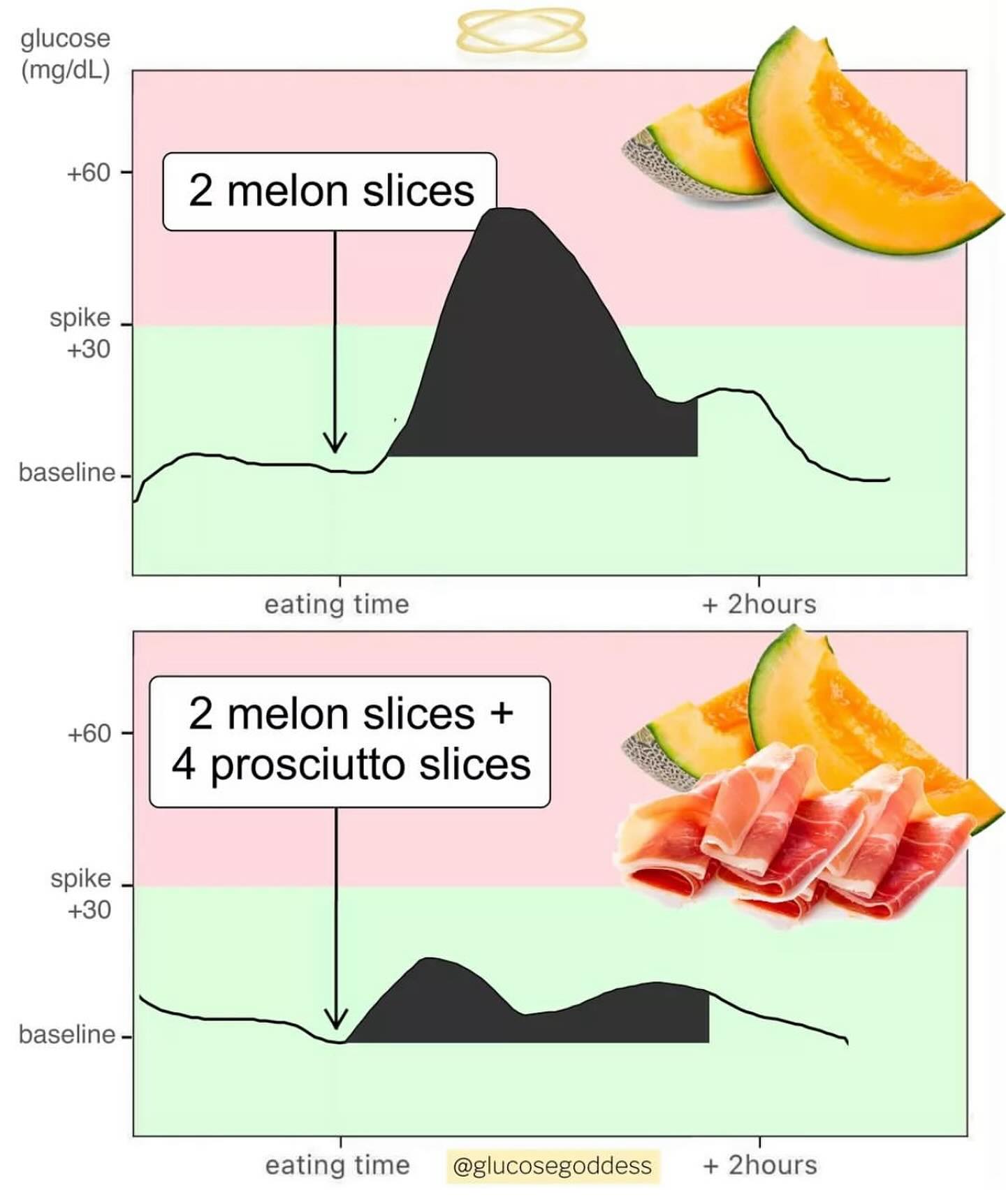
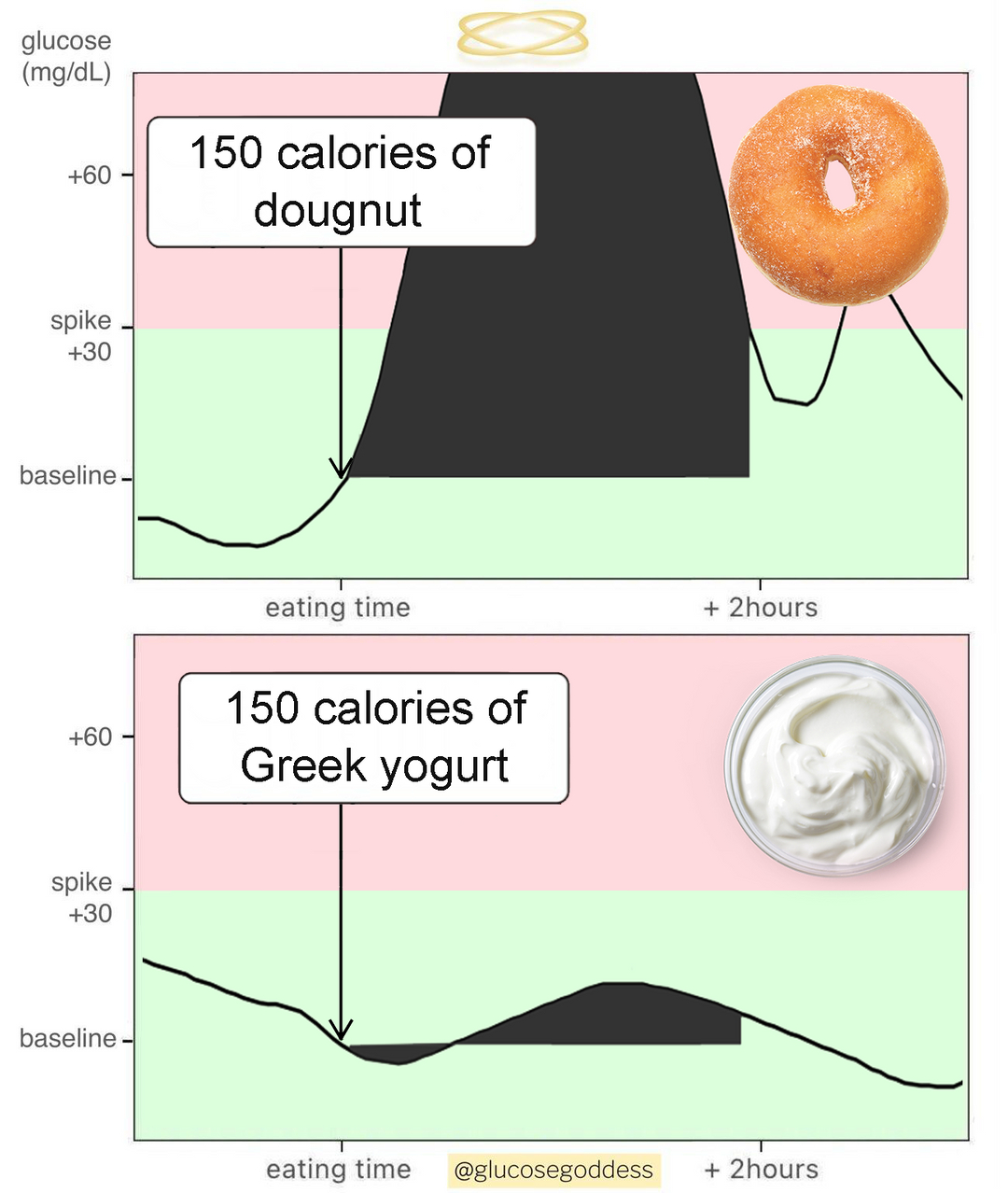
Carbohydrates consumed on their own can be digested and absorbed more quickly than those that form part of a mixed meal.
That’s why it makes sense, for example, to:
add Greek yoghurt or a handful of nuts to fruit,
combining porridge with yoghurt, protein, seeds or nuts,
to serve rice with vegetables and a source of protein,
adding eggs, cheese, tuna or another protein-rich food to bread.
Fibre is also an important part of a healthy diet, and a diet rich in vegetables, fruit, pulses and wholegrains offers far more benefits than just a change in a single glucose curve.
If you’re planning your overall diet, you’ll find more practical advice in the article What to eat when you want to lose weight: the basics of weight-loss nutrition.
Tip No. 3: Does a short walk after a meal help?
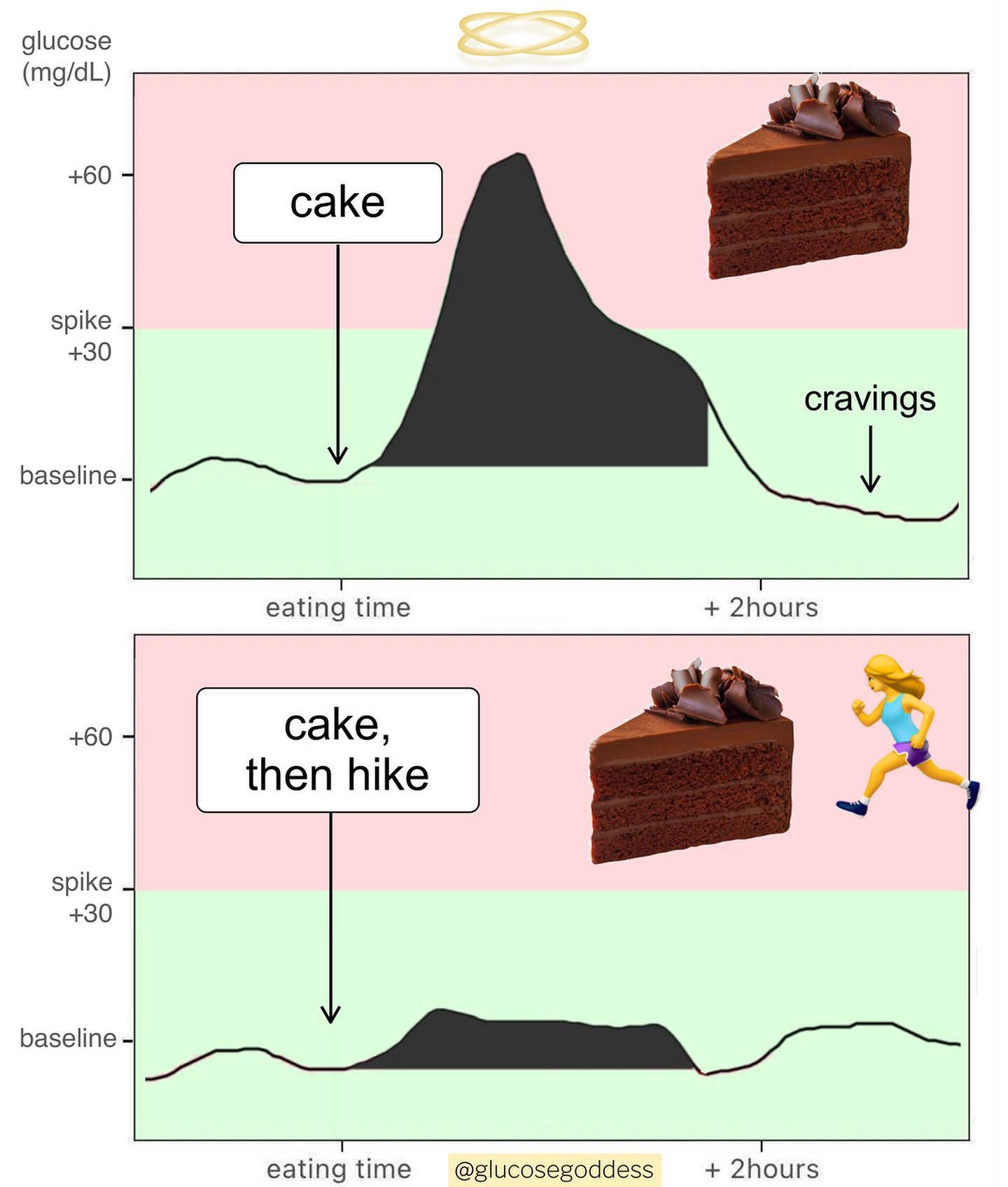
Yes – and this is one of the best-evidenced recommendations on the entire list.
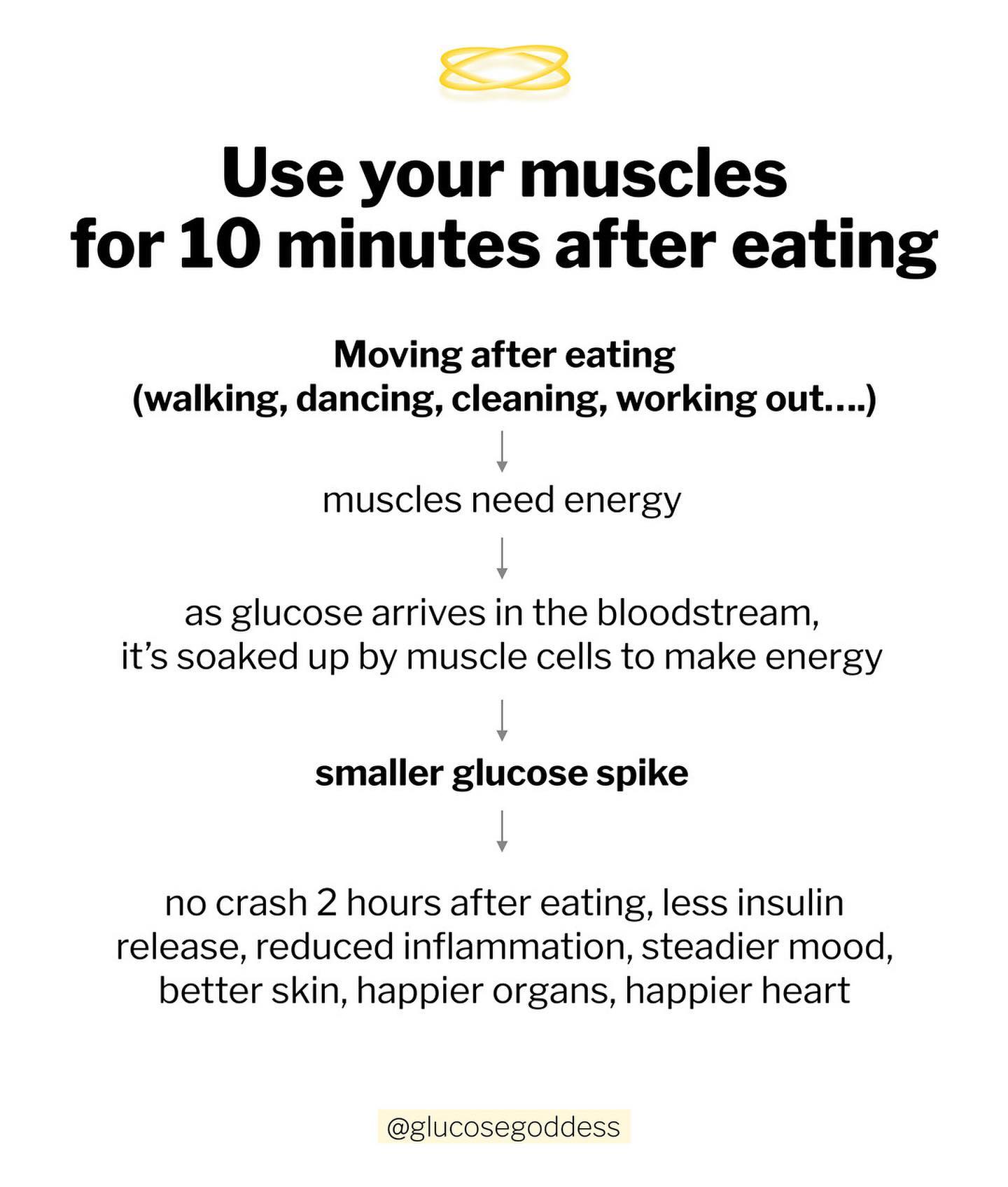
During physical activity, muscles use glucose as a source of energy. Exercise also affects insulin sensitivity.
A systematic review and meta-analysis of randomised studies showed that exercise performed after a meal reduced the postprandial glucose response more than the same exercise before a meal or inactivity.
This does not necessarily have to involve intense exercise.
A practical option might be a short walk after a main meal, walking instead of driving, or simply taking a break from prolonged sitting. Furthermore, a more recent meta-analysis from 2026 confirmed that regular short breaks for physical activity during prolonged periods of sitting can reduce both the postprandial glucose and insulin responses.
Of course, the benefits of exercise do not stop at glucose. Regular physical activity is one of the cornerstones of preventing type 2 diabetes, cardiovascular disease and obesity.
Tip No. 4: Is there any point in drinking vinegar before a meal?
This frequently mentioned tip also has some scientific backing – although it should not be treated as a miracle cure.
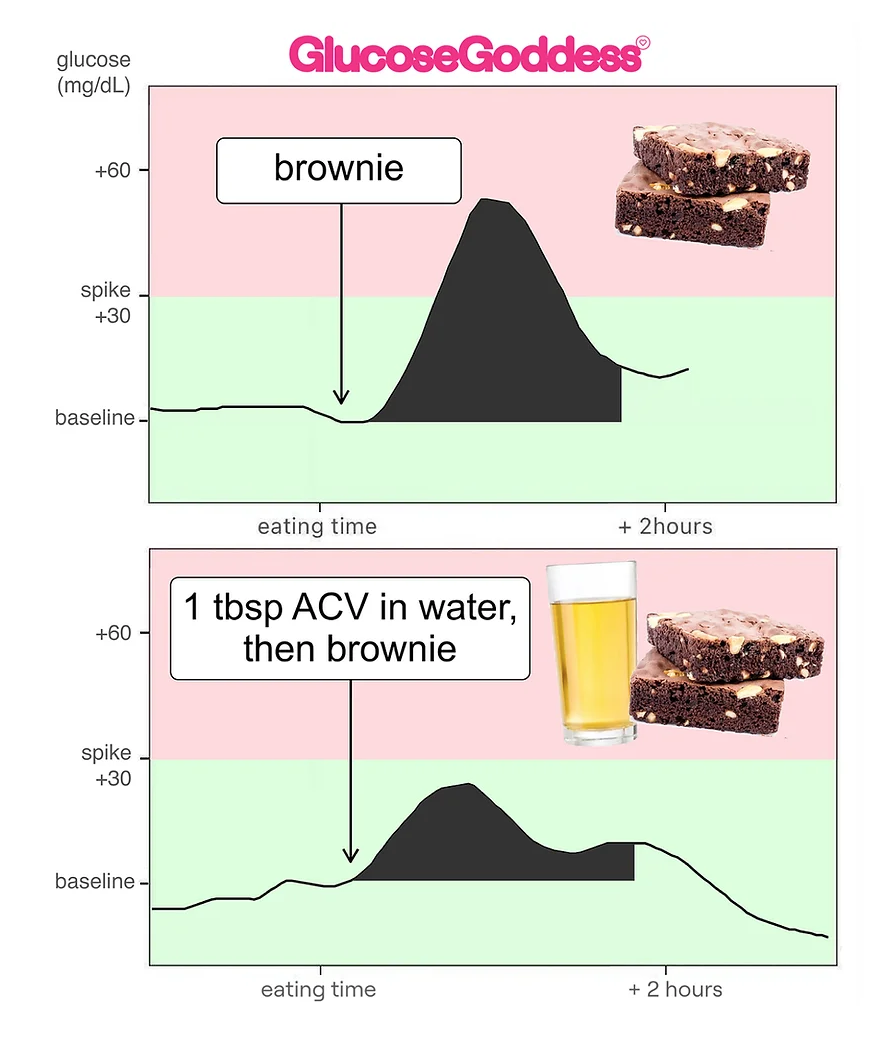
Systematic reviews of clinical studies suggest that consuming vinegar may slightly reduce the post-meal glucose and insulin response. A more recent review of meta-analyses from 2026 also found a beneficial effect on certain other indicators of glycaemic control.
However, this does not mean that vinegar:
neutralises large amounts of sugar in the diet,
causes weight loss without a calorie deficit,
or replace diabetes treatment.
Furthermore, vinegar is highly acidic. If consumed as a drink, it should be sufficiently diluted and never drunk undiluted.
If you have digestive problems or are taking medication that affects blood sugar levels, it is advisable to consult a healthcare professional before using it regularly.
And what if you don’t like the taste of vinegar? It’s no big deal. It isn’t essential for a healthy diet.

Tip No. 5: Limit sugary drinks
There’s no need to look for a complicated biohack here.
Sweetened drinks can deliver a large amount of sugar very quickly and without the fibre that would slow down its absorption. At the same time, they generally make you feel less full than solid food with the same energy content.
The American Diabetes Association therefore advises, in its 2026 guidelines, that people with diabetes or an increased risk of diabetes should choose water over sugary drinks and limit foods with added sugar.
In everyday life, it is therefore wiser to base your fluid intake primarily on:
water,
mineral water,
unsweetened tea,
coffee without large amounts of sugar or syrups.
This does not mean that a single sweetened drink will automatically ‘ruin your metabolism’. It is your long-term dietary pattern that matters most.
Should we be worried about carbohydrates?
No.
Carbohydrates aren’t automatically a problem, and glucose isn’t a toxin that we must avoid at all costs.
Fruit, pulses, whole grains, potatoes and good-quality bread contain carbohydrates, but they can also be a natural part of a healthy diet.
What matters is the source of the carbohydrates, the quantity, the overall composition of the meal and an individual’s specific needs.
For example, a bowl of porridge with fruit and yoghurt has a completely different nutritional value to a sweetened drink, even though both contain carbohydrates.
For people with prediabetes or diabetes, the amount and distribution of carbohydrates can be very important and should be tailored to individual metabolic goals and any treatment they may be receiving.
And what about ‘glucose spikes’ in healthy people?
This is an area where social media often gets ahead of science.
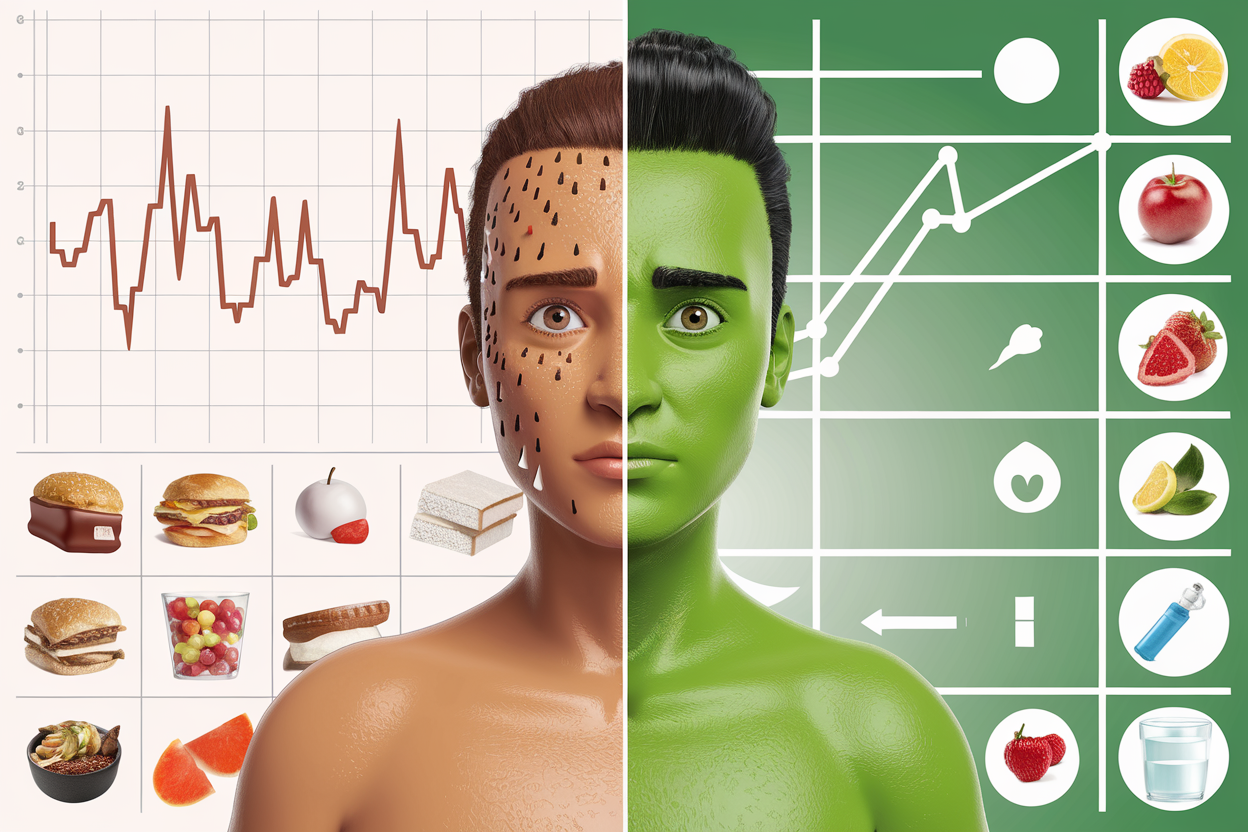
Continuous glucose monitors allow users to track every small change in blood glucose levels throughout the day, and they are increasingly being used by people without diabetes as well.
This can lead to the impression that any rise in glucose is a health problem.
However, there is currently no evidence to support such a claim.
In healthy people, the glycaemic response to the same meal can vary quite significantly, and the scientific literature points out that the significance of individual short-term ‘spikes’ in people without diabetes is still not sufficiently understood.
A more recent literature review from 2025 even highlights the difference between how glucose spikes are portrayed online and what we can deduce from medical research.
For a healthy person, therefore, there is no need to assess every meal based on whether it produced a perfectly flat glucose curve.
Can you stop counting calories?
The original version of *The Glucose Revolution* often pits glucose against calories. In practice, however, it is not a case of ‘either one or the other’.
Energy intake still plays a crucial role in changes to body weight.
If a person consistently consumes more energy than they expend over the long term, this promotes weight gain. Conversely, when losing weight, it is necessary to ensure that energy intake is lower than energy expenditure.
However, this does not mean that all foods with the same number of calories are identical in terms of health, satiety and nutritional value.
Two hundred kilocalories from a sugary drink and two hundred kilocalories from a meal rich in protein and fibre can have a completely different effect on satiety, the amount of nutrients consumed and subsequent eating patterns throughout the day.
The more appropriate question, therefore, is not:
‘Calories or glucose?’
But:
“How can we put together a diet that has an appropriate energy content, contains sufficient protein, fibre and micronutrients, and can be sustained in the long term?”
We explore the issues of energy intake, hormones and long-term weight loss in more detail in the article How to lose weight healthily: obesity, hormones and long-term solutions.
Glucose, insulin and weight loss
Insulin plays an important role in regulating metabolism, but reducing the whole process of weight loss to ‘maintaining low insulin levels’ would be too simplistic.
Body weight is influenced by a whole range of factors:
energy intake and expenditure,
dietary quality and composition,
protein and satiety,
physical activity,
sleep,
genetics,
environment,
as well as hormonal and metabolic factors.
Insulin resistance can be a significant factor in metabolic problems and is often linked to being overweight or obese. However, it is not true that everyone whose insulin levels rise after a meal automatically stores body fat or is unable to lose weight.
You can find out more about insulin and other hormones linked to weight regulation in the article Hormones and weight loss: testosterone, IGF-1 and their effect on metabolism.
How can I tell if I have a problem with my blood sugar levels?
Fatigue, hunger, cravings for sweet foods or difficulty concentrating do not in themselves constitute a diagnosis of insulin resistance, pre-diabetes or diabetes. They can have a number of different causes.
If a glucose metabolism disorder is suspected, laboratory tests are decisive.
The following tests are primarily used to diagnose prediabetes and diabetes:
fasting blood glucose,
HbA1c,
oral glucose tolerance test,
and, where appropriate, other tests depending on the patient’s health status.
Particular attention should be paid to prevention and screening, especially by people with risk factors such as being overweight or obese, a family history of diabetes, high blood pressure, low physical activity, polycystic ovary syndrome or a history of gestational diabetes.
If you have significant or recurring health problems, it is wiser to undergo a medical examination than to self-diagnose based on how you feel after lunch or on a chart from social media.
So what should we take away from The Glucose Revolution?
The Glucose Revolution has brought several simple ideas with a solid basis into the mainstream.
Eating vegetables and fibre before the carbohydrate part of a meal can mitigate an early glycaemic response. A short walk after a meal works. It makes sense to combine carbohydrates with protein, fibre and fats. And sweetened drinks should not be considered a staple of your fluid intake.
However, there is no need to go to the other extreme.
A healthy metabolism does not mean a perfectly flat glucose curve. An isolated spike in glucose is not a diagnosis, and monitoring blood glucose levels does not replace the basic principles of a healthy diet, sufficient exercise, sleep and an appropriate energy intake.
Rather than trying to ‘hack’ every meal, it is therefore wiser to focus on habits that matter beyond a single glucose curve.
Here’s a little story to round things off :)
Twenty-eight-year-old Mary works for a technology company. For almost a decade, she had to carry a handbag full of snacks under her arm whenever she left the house. She simply had to. If she didn’t eat every 90 minutes, she’d start shaking, couldn’t organise her thoughts and needed to sit down. This fact limited her diary – if something lasted longer than an hour and a half and she knew she wouldn’t be able to eat during it, unfortunately, she didn’t attend. Many of us know someone (or perhaps it’s you) who doesn’t feel well if they don’t eat as often as they need to, or, to put it another way, at specific intervals. Mary had various diagnoses and a long list of health problems she had been suffering from since puberty: hypothyroidism, psoriatic arthritis, oestrogen dominance, a Candida yeast infection, rashes, psoriasis, chronic fatigue, insomnia and night-time anxiety.
Mary wanted to feel well. However, her body compelled her to snack, so she tried to eat ‘healthy’ snacks. She generally considered ‘healthy’ foods to be low-calorie vegetarian options. She constantly kept an eye on her calorie intake (she never exceeded the recommended daily intake of 2,000 calories) and walked 10,000 steps every morning. She consumed the ‘right’ amount of calories, but was constantly hungry. She was chronically tired and, in the afternoons, couldn’t muster enough energy for any activity. She was so exhausted that she drank 10 cups of coffee a day. Maria desperately needed something to make her feel better. Fortunately, whilst looking up the meaning of the word ‘glycaemia’ and browsing the internet, she discovered The Glucose Revolution.
She learnt that if she flattens the glucose curve (and with it the insulin curve), reactive hypoglycaemia disappears, as it is a symptom of a diet characterised by glucose spikes. Mary changed her eating habits. And a few weeks later, she shared the good news: “I haven’t eaten anything for up to four hours! I can even exercise on an empty stomach. I’m enjoying life again!” The unbearable hunger every two hours soon became a thing of the past. Her acne-prone skin cleared up and her psoriasis eased. Other aspects of her life changed too. Suddenly, her digestion was working properly. Her thyroid function improved and her oestrogen levels stabilised. She had much more energy and, after two weeks, was drinking just one cup of coffee instead of ten. Her insomnia, panic attacks and psoriatic arthritis also disappeared. She even lost 3 kilograms and stopped carrying nothing but sweets in her handbag, as she no longer needed them. It may seem trivial to you, but Mary’s life was completely transformed.
Remember: health and weight loss are linked to the type of molecules we digest, not the number of calories we consume.
Sources
Kim J, Jang EH, Lee S. Effects of meal sequence intervention on blood glucose response in healthy adults: a systematic review. 2026. PubMed
Shukla AP, et al. The impact of food order on postprandial glycaemic excursions in prediabetes. Diabetes, Obesity and Metabolism. 2019. PubMed
Engeroff T, Groneberg DA, Wilke J. After Dinner Rest a While, After Supper Walk a Mile? A Systematic Review with Meta-analysis on the Acute Postprandial Glycaemic Response to Exercise Before and After Meal Ingestion. Sports Medicine. 2023. PubMed
Gale JT, et al. The Acute Effects of Interrupting Prolonged Sitting With Regular Activity Breaks on Postprandial Glucose and Insulin in Adults: A Systematic Review and Meta-Analysis . Obesity Reviews. 2026. PubMed
Shishehbor F, Mansoori A, Shirani F. Vinegar consumption can attenuate postprandial glucose and insulin responses: a systematic review and meta-analysis of clinical trials. Diabetes Research and Clinical Practice. 2017. PubMed
Vinegar Consumption and Health: An Umbrella Review of Meta-Analyses of Randomised Controlled Trials. 2026. PubMed
American Diabetes Association. Standards of Care in Diabetes—2026: Facilitating Positive Health Behaviours and Well-being to Improve Health Outcomes. Diabetes Care
American Diabetes Association. Standards of Care in Diabetes—2026: Diagnosis and Classification of Diabetes. Diabetes Care
National Institute of Diabetes and Digestive and Kidney Diseases. Eating & Physical Activity to Lose or Maintain Weight. NIDDK
A Scoping Review of Glucose Spikes in People Without Diabetes: Comparing Insights from Grey Literature and Medical Research. 2025. PubMed