

Hormones and weight loss: testosterone, IGF-1 and their effect on metabolism
It is estimated that 80 per cent of people with obesity have at least one hormonal disorder — whether it be insulin resistance, low testosterone or disrupted signalling of hunger and satiety hormones. This explains why the ‘eat less, exercise more’ approach to weight loss often fails: the body has its own hormonal system that actively resists weight loss.
This article takes a comprehensive look at hormones and weight loss: from testosterone and growth hormone, through IGF-1 (insulin-like growth factor), to the most talked-about topic of the moment: GLP-1 drugs such as semaglutide and tirzepatide, which have transformed the way we talk about obesity treatment today. We’ll also look at a group of substances that are currently popular in online communities — from L-carnitine to experimental ‘research chemicals’.
Hormones and weight loss — the basics
Testosterone and weight loss
Testosterone is not just a ‘male hormone’; in both sexes, it influences muscle mass, which directly determines basal metabolic rate. This refers to the amount of energy the body burns at rest, simply to maintain basic functions. More muscle means a higher basal metabolic rate, which aids weight loss.
The relationship between testosterone and obesity is two-way:
Excess visceral fat (fat stored around the internal organs) contains high levels of the enzyme aromatase, which converts testosterone into oestradiol (a form of oestrogen). More fat means more aromatase and therefore lower testosterone levels.
At the same time, low testosterone promotes fat storage and loss of muscle mass, thus closing the circle.
The TIMES2 and T-Trials studies (clinical trials of testosterone replacement therapy) confirmed improvements in body composition in men with clinically low testosterone who underwent treatment.
Testosterone production can be supported in several ways, all of which are backed by research:
strength training (increases the sensitivity of androgen receptors),
sufficient sleep (lack of sleep – i.e. less than 7 hours a day – is associated with lower testosterone levels),
adequate dietary fat intake (an intake of less than 20 per cent of calories from fat is associated with lower testosterone levels),
maintaining an appropriate level of body fat (due to the aforementioned aromatase).
Tip: Testosterone production can also be supported by modern supplements, which you can find in our Aminoxy online shop under Testosterone Support section.
💡 If symptoms of clinically low testosterone appear, such as fatigue, muscle loss, reduced libido and depressive moods, it is important to have a blood test and consult a doctor. Testosterone replacement therapy (TRT) is not a dietary supplement, and its initiation and monitoring should be carried out exclusively by an endocrinologist or urologist. |
Growth hormone and regeneration
Growth hormone (GH) is secreted by the pituitary gland, and its production peaks during deep sleep. Its main effects include:
Lipolysis — the release of fat from fat cells as a source of energy,
Preservation of muscle mass during calorie restriction (GH acts more as a ‘brake’ on muscle breakdown than as a direct muscle-builder).
This is precisely why a lack of sleep can sabotage weight loss far more than it seems: a lack of deep sleep means less GH, reduced protection of muscle mass whilst dieting, and therefore slower, less sustainable fat loss.
GH as a medicine (injectable form) is intended solely for clinically confirmed deficiency, not as an ‘anti-ageing’ or weight-loss treatment. At higher doses, it carries risks such as oedema, joint pain and reduced insulin sensitivity.
IGF-1 — effects, levels and myths
IGF-1 (Insulin-like Growth Factor 1) is a hormone produced by the liver in response to stimulation by growth hormone. It acts as the main ‘executor’ of GH’s commands, and has:
an anabolic effect (promoting muscle growth),
amitogenic effect (promoting cell division and growth in general),
ananti-catabolic effect (slows down tissue breakdown).
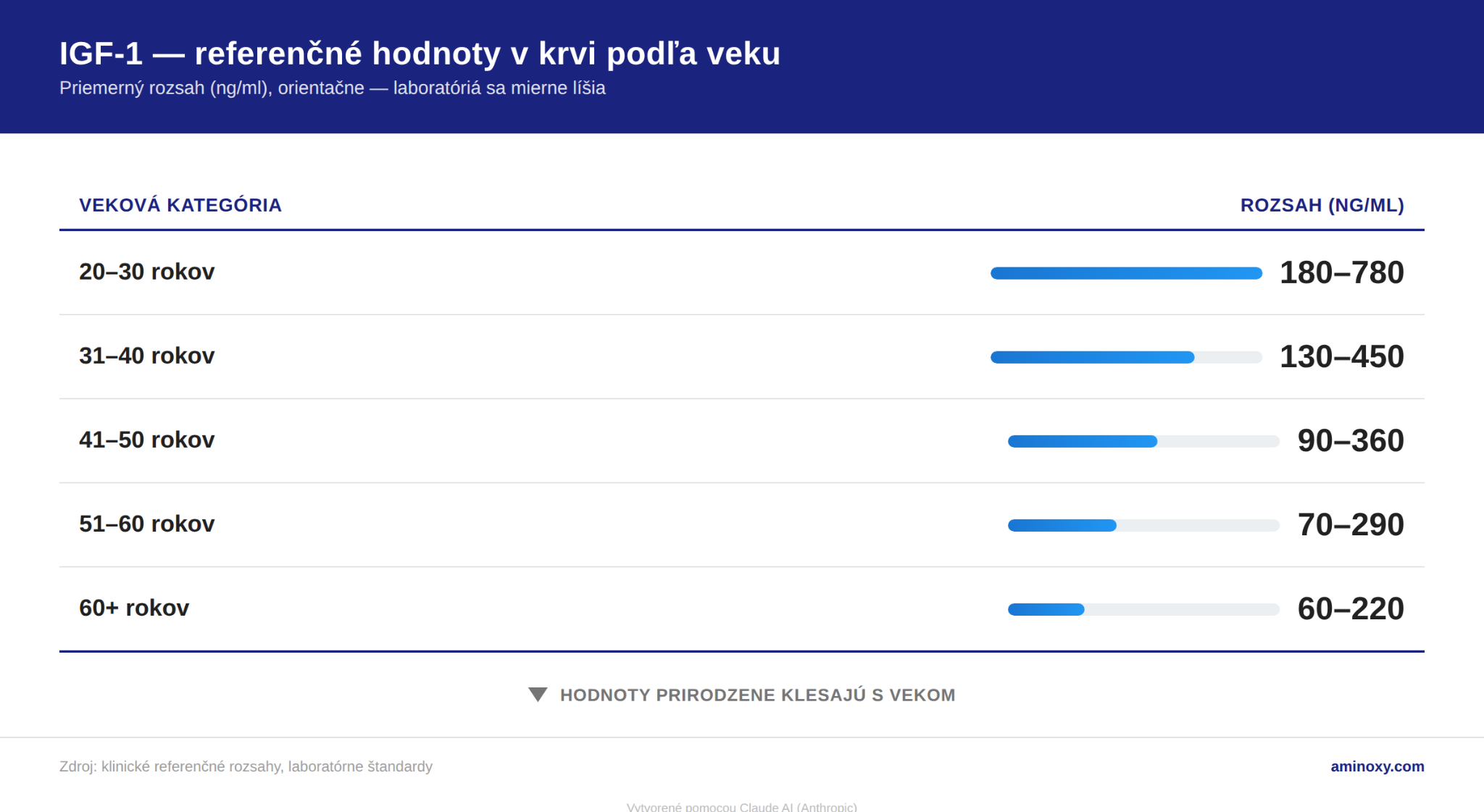
Generated using Claude AI (Anthropic).
The myth about milk and dietary IGF-1: The popular belief that milk, colostrum or deer antler extract can increase blood levels of IGF-1 is biochemically incorrect. IGF-1 is a peptide hormone (a chain of amino acids) and , once swallowed , is broken down by digestive enzymes before it enters the bloodstream: in exactly the same way as any other protein from food is digested. Brainum cites a calculation to illustrate this: to achieve even a measurable increase in IGF-1 in the blood, you would have to drink approximately 90 litres of milk in one go (Brainum J., The effects of IGF-1 in athletes: The first published study and what it shows, Applied Metabolics Newsletter, July 2015). The same applies to oral products containing pituitary peptides — these are also proteins that the digestive tract breaks down into amino acids.
Tip: Advanced supplement SST-1: GH by Aminoxy, which contains Mucuna pruriens (a source of L-DOPA) and pituitary glandular extract.
💡 A surprising finding about protein and IGF-1: A study published in *Cell Metabolism* (2014) analysed questionnaire data from 6,381 Americans aged over 50. It found that among people aged 50–65, a high protein intake (20% or more of calories) was associated with increased mortality (specifically linked to higher IGF-1 levels), whilst in people aged over 66, a high protein intake was, conversely, protective (Brainum J., Bad Protein, Applied Metabolics Newsletter, January 2025). The author of the article also points out that this study has several inconsistencies — for example, the effect was demonstrated only with animal proteins, not plant proteins, which does not make complete sense from a biochemical point of view, as amino acids are the same regardless of the source. |
Summary
|
Insulin, leptin and ghrelin — the hormones of hunger and satiety
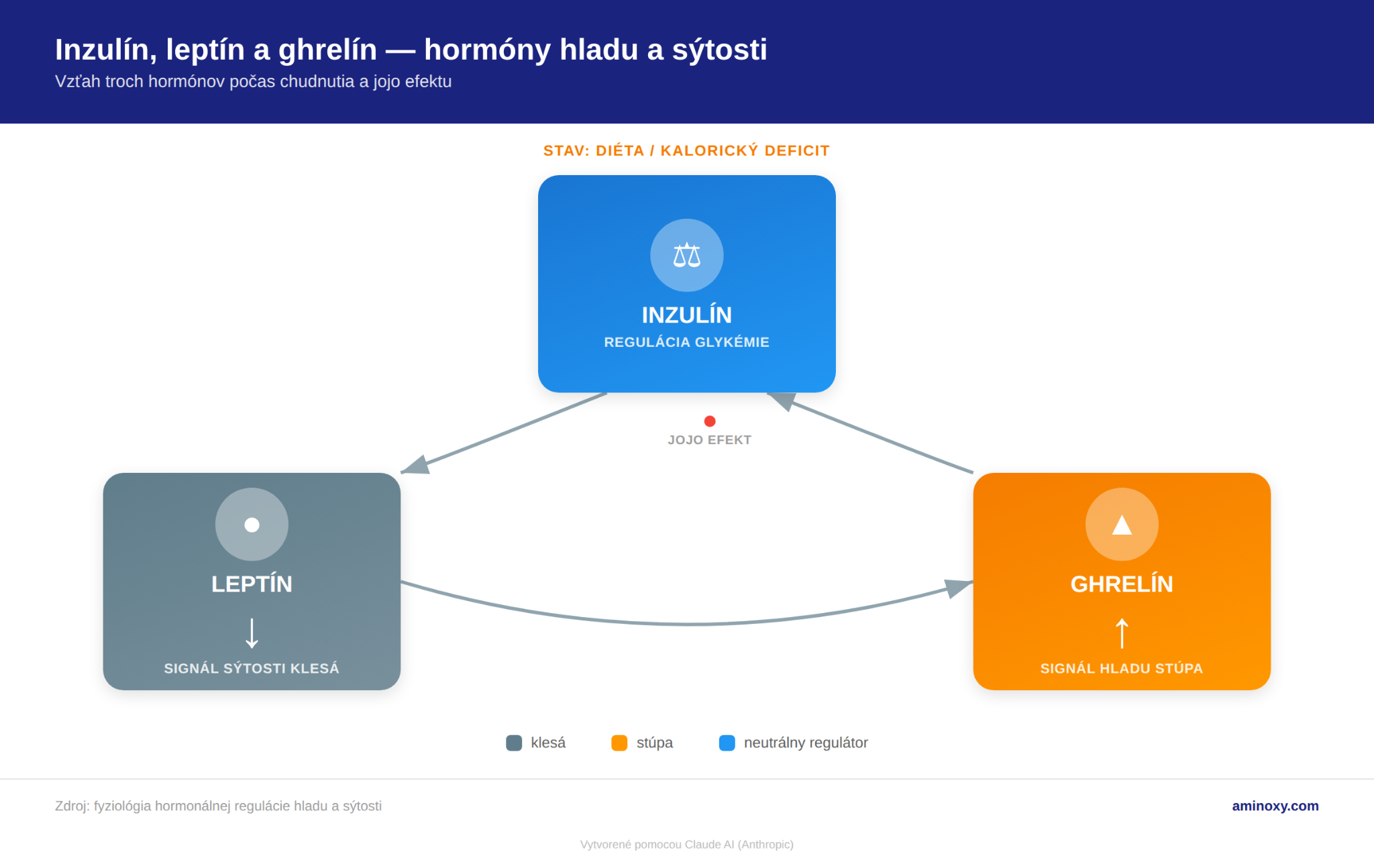
These three hormones form a system that determines whether or not you will feel hungry whilst on a diet.
Insulin is a hormone released by the body after a meal to regulate blood sugar levels. In the case of insulin resistance (a condition where cells stop responding properly to insulin), the body produces more and more insulin to achieve the same effect. This promotes fat storage and makes weight loss more difficult.
Tip: We’ve written in more detail about insulin resistance and diabetes in the second article in this series Obesity as a disease: stages, causes and health risks
Leptin is a hormone secreted by fat cells that signals to the brain: ‘fat stores are sufficient, there is no need to eat’. This is where the paradox of obesity arises: people with a higher percentage of body fat have more leptin, not less. The problem is that the brain stops responding to it, leading to leptin resistance. Furthermore, leptin levels fall during a diet, which explains why hunger often returns more intensely than before after weight loss.
Ghrelin, nicknamed the ‘hunger hormone’, is secreted in the stomach and its levels rise between meals. After dieting, its levels increase, which is one of the main biological mechanisms behind the yo-yo effect. A study tracking bodybuilders before a competition recorded a dramatic increase in ghrelin during a strict diet (Brainum J., Keeping It Off: The Science of Weight Maintenance, Applied Metabolics Newsletter, January 2024).
Created using Claude AI (Anthropic)
💡 The combination of falling leptin and rising ghrelin after a diet means that the body is literally fighting to return to its original weight. It is not a question of weak willpower. |
Cortisol — the stress hormone and belly fat
Cortisol is an adrenal hormone released in response to stress, which has its own circadian rhythm. According to this daily rhythm, its levels are highest in the morning and lowest in the evening. Chronically elevated cortisol (caused by long-term stress, lack of sleep, or even an overly restrictive diet) is linked to the accumulation of visceral fat specifically in the abdominal area.
Cortisol also affects appetite — typically increasing cravings for sweet, salty and high-calorie foods.
Interesting fact: rapid weight loss itself is a form of stress for the body. When someone is taking GLP-1 medication or following a strict diet with a significant calorie deficit, cortisol levels rise as part of the stress response, which contributes to the loss of muscle mass (more on this in the section on GLP-1 below).
Scientifically supportednatural strategies for reducing cortisol:
regular exercise and strength training,
getting enough sleep,
phosphatidylserine (400 mg daily reduced cortisol by approximately 30% in studies),
ashwagandha (an adaptogen, a substance that helps the body cope better with stress) — standardised extracts reduced cortisol by 20–25% in some studies (Brainum J., ‘Can Ashwagandha help increase muscular size and strength?’, Applied Metabolics Newsletter, January 2016).
Summary
|
The GLP-1/GIP family of drugs: a revolution in obesity treatment that is in the hands of the doctor
How the GLP-1/GIP system works
GLP-1 (Glucagon-like Peptide-1) is a natural hormone released by the gut after a meal. It slows down gastric emptying (food remains in the stomach for longer → a longer-lasting feeling of fullness), improves the regulation of glycaemia (blood sugar levels) and reduces appetite by acting directly on the hunger centres in the brain.
The problem with natural GLP-1 is that it breaks down in the body within just 6 minutes of being released. The solution came from an unexpected source — the saliva of the Gila monster contains a substance called exendin-4, which acts like GLP-1 but resists breakdown for much longer. Today’s GLP-1 medicines are based on this principle (Brainum J., GLP-1 Agonist Drugs and Muscle Loss: What is the Cure?, Applied Metabolics Newsletter, March 2026).
Approved and in use: Semaglutide and Tirzepatide
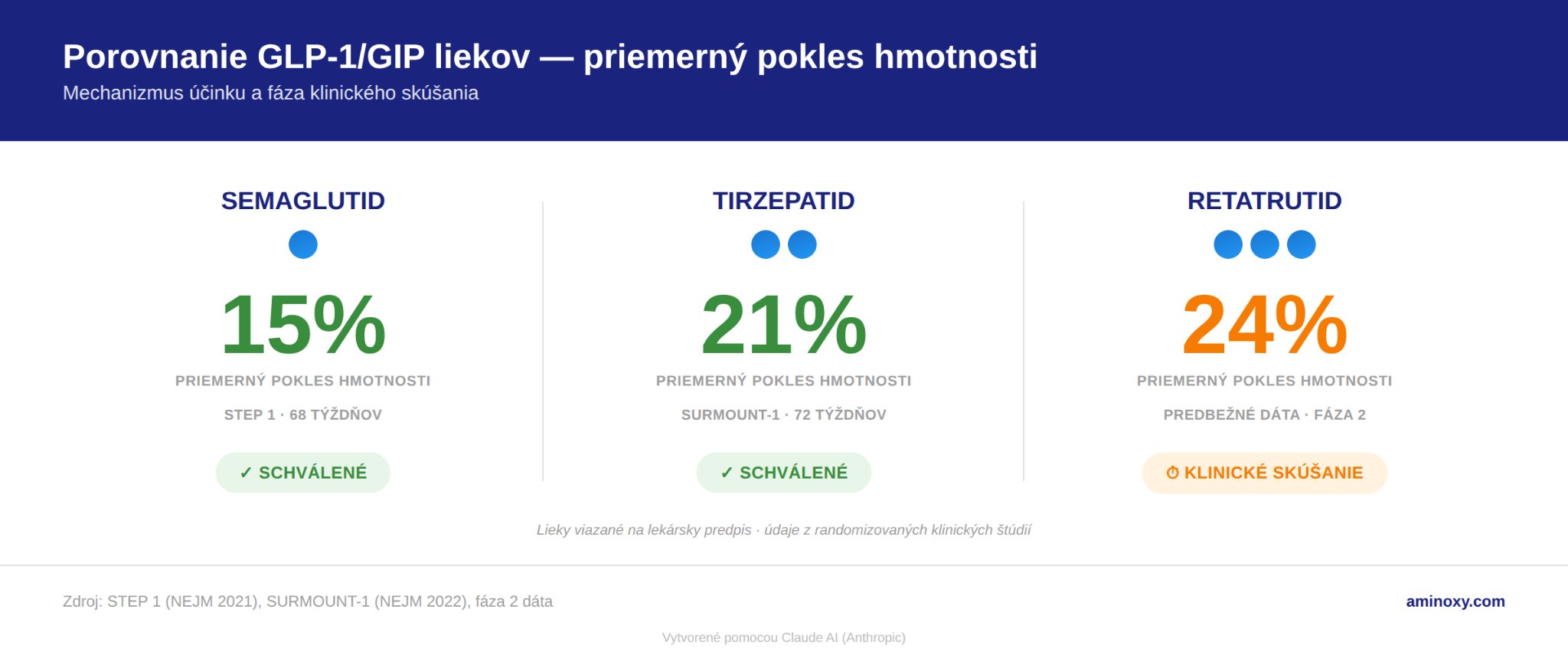
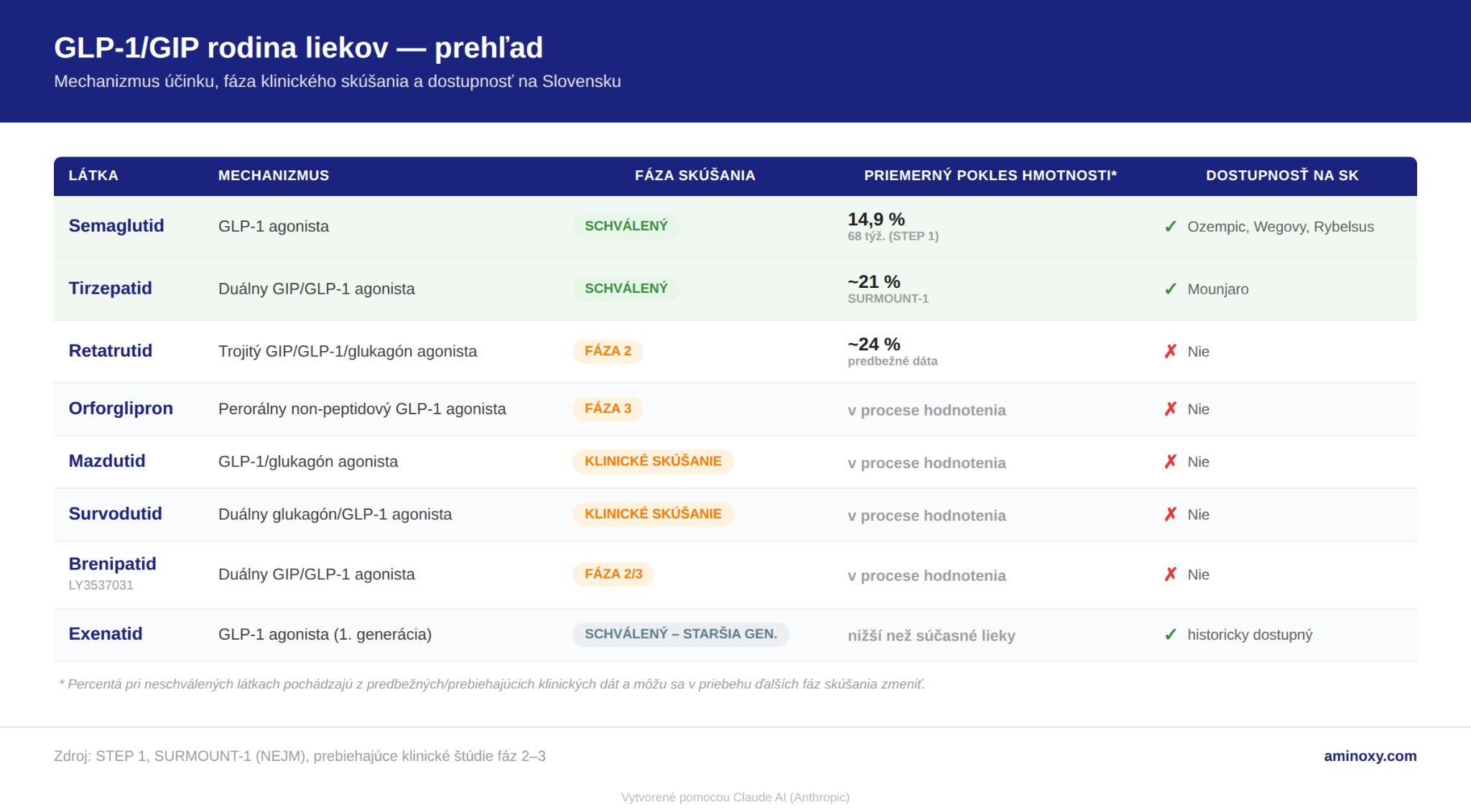
Semaglutide (Ozempic, Wegovy, oral form as Rybelsus) is a GLP-1 agonist originally approved for the treatment of type 2 diabetes, and now also for the treatment of obesity. The key STEP 1 study (Wilding et al., 2021, N Engl J Med — PubMed) demonstrated an average weight loss of 14.9% over 68 weeks in non-diabetic patients with obesity. This was a randomised, double-blind study (the gold standard in research).
Tirzepatide (Mounjaro) is a dual GIP/GLP-1 agonist, meaning it acts on two hormonal systems simultaneously. GIP (Glucose-dependent Insulinotropic Peptide) is another gut hormone that regulates insulin. The SURMOUNT-1 study (Jastreboff et al., 2022, N Engl J Med — PubMed) recorded an average weight loss of around 21 per cent — higher than with semaglutide alone, a finding later confirmed by the direct comparative SURMOUNT-5 study.
Paradoxically, GIP on its own is associated more with fat storage than with fat burning. The exact mechanism by which the GIP + GLP-1 combination works better than GLP-1 alone is still the subject of research. Most scientists favour the explanation that the dominant mechanism is based on appetite suppression.
Generated using Claude AI (Anthropic)
In development: Retatrutide, Orforglipron, Mazdutide, Survodutide and Brenipatide
The next generation of these drugs is entering clinical trials:
Retatrutide — a triple GIP/GLP-1/glucagon agonist, currently in Phase 2 clinical trials, with preliminary data showing an average weight loss of around 24 per cent.
Orforglipron — the first oral non-peptide GLP-1 agonist (i.e. it is not a protein that needs to be administered by injection), currently in Phase 3 trials.
Mazdutide and the experimental maritide — being developed, amongst other reasons, due to their promising long-term weight loss maintenance. Preliminary data suggest an effect lasting up to 5 months after the last injection, which would address one of the main problems with this class of drugs.
Survodutide — a dual glucagon/GLP-1 agonist, also in clinical trials.
Brenipatide (internal designation LY3537031) — the latest dual GIP/GLP-1 receptor agonist from Eli Lilly, currently in Phase 2 and 3 clinical trials, not only for obesity but, surprisingly, also for disorders related to addictions (alcohol, opioids) and psychiatric conditions such as bipolar disorder and depression. It is not approved anywhere and is not available outside clinical trials.
Exenatide was historically the first GLP-1 agonist on the market. It required twice-daily injections and was approved only for type 2 diabetes. Today’s once-weekly medicines represent a significant pharmacological advance over it.
Generated using Claude AI (Anthropic).
💡 None of the above-mentioned substances currently in development (retatrutide, orforglipron, mazdutide, survodutide, brenipatide) are authorised in Slovakia or the EU. They are available exclusively within the framework of clinical trials. |
Side effects and loss of muscle mass
GLP-1 medicines belong to a class of drugs with significant adverse effects on digestion, affecting approximately half to two-thirds of new users:
Nausea, vomiting, diarrhoea, constipation (associated with delayed gastric emptying)
Rarely (1–3 per cent) — bowel obstruction, which may require hospitalisation
Risk of pancreatitis and gallstones (associated with rapid fat loss)
Key finding regarding muscle mass: Several studies show that up to 40% of the weight lost whilst taking semaglutide consists of so-called lean mass (muscle, water, organ tissue). The actual loss of pure muscle tissue is less than 40 per cent, but still significantly higher than with conventional dietary weight loss with adequate protein intake, where muscle loss typically accounts for around 25 per cent of total weight loss.
This effect is not inevitable. Studies monitoring users of GLP-1 medications who undertook regular strength training and achieved an adequate protein intake recorded significantly better preservation of muscle mass. The problem is that the strong suppression of appetite makes it difficult to achieve the necessary protein intake.
💡 Are you familiar with the reality TV show *The Biggest Loser*? Exactly the same thing happened: participants lost weight extremely quickly without strength training, lost a large amount of muscle, their basal metabolic rate was permanently reduced, and most of them eventually regained more weight than they had at the start (a 2016 follow-up study published in *Obesity*). |
Why GLP-1s are not just ‘dietary supplements’
GLP-1 medicines are prescription-only medicines (Section 8(4) of the Advertising Act). The State Institute for Drug Control (ŠÚKL) has issued repeated warnings stating that “medicines are not a fashion trend”. Illegal sources (unverified online shops) carry risks of contamination, incorrect dosing and counterfeit products.
The yo-yo effect after discontinuation
The STEP 4 study (Rubino et al., 2021, JAMA — PubMed) followed patients after they stopped taking semaglutide — most of the weight lost was regained within a year. GLP-1 drugs are no substitute for lifestyle changes; they work only whilst they are being taken.

What the community says vs. what the studies say
Semaglutide and tirzepatide are nolonger just a topic for hospitals. They are the focus of massive online communities (forums dedicated to GLP-1 drugs, biohacking groups, but also discussions directly in gyms), where people compare their progress, doctors’ dosing regimens and side effects on a daily basis. Some of the patterns that recur there correspond surprisingly closely with the clinical data above, whilst others go beyond it.
Consistency with the data: The most common topic in the community is a loss of muscle definition despite regular training — precisely what the aforementioned 40 per cent loss of lean mass describes. Similarly, the other side of the coin is also confirmed in the discussions: people who consciously supplement their protein intake and train diligently under load report significantly better preservation of muscle mass than those who train sporadically or not at all. This 1:1 correlation aligns with the findings of the controlled studies cited above.
A topic not directly measured by the studies: the so-called ‘Ozempic face’ and ‘Ozempic body’ — visible loss of volume in the face, buttocks and other areas during rapid fat loss. It is not a formal clinical endpoint (i.e. something that the studies specifically measured and reported as a result), but it is mentioned so frequently within the community that several plastic surgeons in the US have even commented on it publicly. They describe it as a real, observable phenomenon linked to the rate of fat loss in the face.
An experience not captured by clinical questionnaires: Descriptions of so-called ‘food noise’ repeatedly emerge within the community. This refers to an internal, almost constant preoccupation with food, which many describe as being significantly subdued after starting the medication – sometimes, surprisingly, completely switched off – even when looking at food that would previously have tempted them. Clinically, this overlaps with the concept of appetite suppression, however, the way people describe it (often as a sense of relief after years of struggling with hunger) is far more personal than any standardised questionnaire used in studies can capture.
Where experience and data diverge: Some users describe a return of appetite within a few days of stopping treatment. This return of appetite was even faster than might be expected, given that semaglutide has a half-life of approximately one week in the body. This may be a psychological effect of expectation or individual variability — the available data do not allow this to be definitively confirmed or refuted. It is a typical example of a gap where the community simply knows something that studies have not (yet) measured.
It is precisely this combination — where reality aligns with the studies and where it diverges from them — that may be a good reason why it is worth monitoring both simultaneously.
Summary
|
L-carnitine and weight loss: what the science says
Mechanism
L-carnitine is a compound required for the transport of fatty acids into the mitochondria. These are the cell’s ‘powerhouses’, where fat is burnt – or, more precisely, oxidised. The body produces some carnitine itself from the amino acids methionine and lysine, and obtains some from food, particularly red meat.
What meta-analyses show
Pooyandjoo et al. (2016), Obes Rev — PubMed, a meta-analysis (a summary of several studies combined) of 9 randomised controlled trials found an average weight loss of 1.33 kg with L-carnitine supplementation compared with placebo. Talenezhad et al. (2020), Clin Nutr ESPEN — PubMed, arrived at similar, clinically modest results.
A more recent meta-analysis cited by Brainum states that carnitine did not affect fat loss in people of normal weight, but showed a slightly more pronounced effect in those who were overweight or obese (Brainum J., The Truth About Carnitine, Applied Metabolics Newsletter, January 2021).
💡 An interesting detail: Studies measuring carnitine levels directly in muscle (not just in the blood) have found that, following standard oral administration, muscle levels remain virtually unchanged. The body does not ‘allow’ more carnitine into the muscle unless insulin levels are simultaneously elevated (for example, through the simultaneous intake of simple sugars). One study found that the intake of 95 g of simple sugars together with carnitine increased carnitine levels in muscle by approximately 15 per cent, which could theoretically increase fat oxidation; however, consuming such amounts of sugar repeatedly throughout the day runs counter to the goal of weight loss. |
Oral vs. injectable form — does the injection have an advantage?
Here, it is important to be factually accurate. A coaching anecdote cited by Brainum (from the late coach Charles Polliquin) describes better results with intravenous administration of carnitine compared to oral administration. A controlled study partially confirms this from a pharmacokinetic perspective: following a 5-hour intravenous infusion, carnitine levels in blood plasma increased tenfold, but the carnitine content in muscle remained unchanged — meaning that even intravenous administration alone does not guarantee that carnitine will reach the sites where fat is burnt.
Summary of facts regarding the route of administration:
Oral form: absorption from supplements is only 14–18% of the dose (absorption from food is higher, at 57–84%).
Injectable form: bypasses low intestinal absorption and rapidly increases blood levels.
According to the available data, neither form on its own guarantees a significantly increased carnitine content directly in muscle tissue; the key factor in studies appears to be the simultaneous presence of insulin.
The injectable form has a clear medical indication for clinical carnitine deficiency (genetic disorders, haemodialysis patients) — this is a completely different situation from weight loss efforts in healthy individuals.
User experiences from online fitness communities regarding injectable versus oral carnitine for weight loss are limited and mostly uncontrolled. If you have any specific experience, we’d be happy to include it in the discussion below the article.
Summary
|
Experimental substances and ‘research chemicals’
Cardarine (GW-501516)
Mechanism: Cardarine is an agonist (activator) of the PPARδ (peroxisome proliferator-activated receptor delta) receptor, which influences fat metabolism and increases endurance.
What the science says: Development of the substance was originally led by the pharmaceutical company GSK, but was halted in 2007 after animal studies (Newsholme et al. and others) demonstrated an increased incidence of tumours in the test animals. The World Anti-Doping Agency (WADA) stated in its 2013 warning that “clinical approval has not been and will never be granted” for this substance.
A real-life case from clinical practice: A toxicological study published in the journal *Toxics* (Kintz et al., 2021, Toxics — PubMed) describes the case of a 43-year-old trainer who, after taking a combination of Cardarine and Ostarine (SARM) for several days, ended up in A&E with abdominal, muscle and head pain. Laboratory tests revealed significantly elevated liver enzymes and massive rhabdomyolysis (breakdown of muscle tissue — the creatine kinase enzyme level reached 86,435 U/l, whereas the normal range is up to approximately 200 U/l).
What the community says: In endurance sports and competition preparation circles (CrossFit, cycling, cutting phases in bodybuilding), Cardarine has long been one of the most talked-about ‘banned’ substances. This is precisely because the subjectively reported effects – such as significantly greater endurance during cardio, faster recovery between intervals, and more visible muscle definition without loss of strength during a calorie deficit, correspond exactly to what one would expect from its mechanism of action (switching the metabolism to prioritise the use of fat as fuel). Some users in online discussions openly admit that they are aware of the carcinogenicity findings from animal studies, but argue that the doses used in those studies were vastly higher than the doses commonly discussed for human use. The same argument is also raised in expert discussions on the interpretation of animal data. Others, on the other hand, after years of use, openly admit to feeling uneasy about the fact that no one can quantify the long-term risk, as, apart from one documented case of poisoning, higher-dose human data are completely lacking.
Nevertheless, Cardarine is commonly available as a ‘research chemical’ on various overseas websites. Its sale as a dietary supplement is not legally authorised anywhere.

GW-0742
A PPARδ agonist related to Cardarine, with anti-inflammatory effects that have been studied, but exclusively in animal studies (mice, pigs) and cell experiments. There are no human data. The same set of risks as with Cardarine can logically be assumed, but it has not been directly tested in humans.
SLU-PP-332
Described as an ‘exercise mimetic’ — an activator of ERR (oestrogen-related) receptors, which influence mitochondrial function. Animal studies (biorxiv, 2022) have shown improved endurance and mitochondrial respiration in mice.
Key fact: To date, there are no registered human studies of this substance. The original study was first published as an unreviewed preprint on bioRxiv (2022), later underwent a peer-review process and was published in 2024 in the *Journal of Pharmacology and Experimental Therapeutics* — however, it still relates exclusively to animal models (obese mice). A more recent analytical study by German anti-doping scientists (Möller, Krug, Thevis, 2026, Rapid Commun Mass Spectrom — PMC) focuses exclusively on the characterisation of SLU-PP-332 metabolites for the purposes of doping control — meaning the substance had already come to the attention of anti-doping laboratories before it had even undergone the first phase of clinical trials in humans.
What the community is saying: Despite the lack of human data, SLU-PP-332 has, since 2022—when the first study in mice demonstrated an increase in endurance without the need for training— one of the most closely watched innovations in biohacking and endurance circles. Discussions feature enthusiastic reports of an increased appetite for cardio training and a faster sense of recovery after interval sessions. However, equally common are candid admissions that users are unsure whether the effect they are experiencing is merely a placebo, given that it is a new, hard-to-find and expensive substance with no standardisation of quality across different suppliers.
5-amino-1MQ
An inhibitor of the enzyme NNMT (nicotinamide N-methyltransferase), investigated in preclinical (animal) studies on diet-induced obesity in mice. The available data originate exclusively from these models — publications examine, for example, the combination with calorie restriction and changes in the microbiome in mice (Reduced calorie diet combined with NNMT inhibition, 2022 — PMC). No human studies on safety or efficacy have been published.
What the community says: Community reports are rarer and more contradictory here than for Cardarine. Without human data, it is impossible to distinguish a real effect from normal variability in weight loss.
Tesofensin
Unlike the previous compounds, high-quality clinical data do exist here — and this is precisely why it is an interesting example of how even a promising compound can hit a safety ceiling.
Tesofensin was originally developed to treat Parkinson’s and Alzheimer’s disease. During clinical trials, significant weight loss emerged as a side effect in patients who were not actively trying to lose weight. A subsequent Phase 2 clinical trial (TIPO-1) in obese individuals confirmed a strong weight-loss effect exceeding the reference values required by regulatory authorities for the approval of weight-loss medicines. In 2013, The Lancet published a formal ‘Expression of Concern’ regarding this study, citing possible under-reporting of adverse effects in the original publication.
Problem: at therapeutic doses (0.25–1.0 mg daily), tesofensin caused an increase in blood pressure of 1–5 mmHg and an increase in heart rate of up to 8 beats per minute. The developer, Saniona, has therefore decided not to develop tesofensin as a standalone medicine and is instead combining it with metoprolol (a beta-blocker — a medicine that reduces heart rate and blood pressure) under the name Tesomet. The combination product is currently being tested in several clinical trials, for example in patients with hypothalamic obesity, a rare form of obesity caused by brain damage (Randomised controlled trial of Tesomet for weight loss in hypothalamic obesity — PMC). Neither tesofensine on its own nor Tesomet is authorised in Slovakia.
What the community says: As this is a substance with genuine clinical data but which is not generally available outside of trials, the community discussion centres mainly on countries where tesofensine was previously available outside clinical trials, and on comparisons with other stimulant anorectics (substances that suppress appetite by stimulating the nervous system). A recurring theme in these discussions is precisely this increased heart rate even at rest, which is exactly in line with the findings of the clinical trials mentioned above.
BAM15
This is a so-called mitochondrial uncoupler. This substance ‘uncouples’ energy production in the mitochondria, whereby part of the energy is converted directly into heat rather than ATP — the cell’s ‘currency’ of energy. Animal studies (Axelrod et al., 2020, EMBO Mol Med — PubMed) have shown increased energy expenditure, improved insulin sensitivity and protection against weight gain on a high-fat diet in mice. All of this occurred without any loss of muscle mass and without any change in body temperature or other markers of toxicity in the experiment.
Despite the promising animal results, no human study on BAM15 has been published. The risk associated with conventional mitochondrial uncouplers (such as the well-documented and dangerous DNP — dinitrophenol) is overheating of the body, as the body loses control over how much heat it generates.

What the community says: As BAM15 is a relatively new topic, discussion surrounding it is currently limited mainly to groups following the latest research into mitochondrial ‘uncouplers’ and often explicitly compares BAM15 with the notoriously dangerous DNP. Some of these discussions directly warn against any attempt to obtain or try a substance for which human studies simply do not yet exist, citing the number of people who have suffered serious, sometimes fatal, health damage precisely whilst experimenting with DNP.
What does this all mean when we put it all together?
Across all six substances mentioned above, one pattern recurs: the less human data there is, the more room there is in the discussion for subjective impressions — and these can differ diametrically from person to person, even with the same substance. This is no coincidence. Without a controlled study, no one can distinguish the actual pharmacological effect from the placebo effect, from a concurrent diet and training regime, or from a product that is simply of poor quality or incorrectly dosed.
And it is precisely this last point that is crucial, even beyond the debate on efficacy itself. The parallel with the well-documented group of substances known as SARMs is instructive here: repeated analyses of products sold online as SARMs have found that approximately half of them either do not contain the declared substance at all, contain it in a quantity different from that stated on the label, or contain a different, unlisted substance (Van Wagoner et al., 2017, JAMA — PubMed). It is therefore important to bear this risk in mind, as it can logically be expected with Cardarine, BAM15 and other ‘research chemicals’ sold in the same way via the same type of unregulated market.
The Slovak Anti-Doping Agency classifies several of these substances as prohibited in sport, and depending on the circumstances (such as their distribution), the matter may even fall within the scope of criminal law.
Section summary:
Substance | Level of evidence | Key risk |
Cardarine (GW-501516) | Animal studies + 1 documented case of poisoning in humans | Carcinogenicity in animal studies, rhabdomyolysis |
GW-0742 | Animal and cell studies | Unknown in humans; risks are presumed to be similar to those of Cardarine |
SLU-PP-332 | Animal and cell studies | No human data; already monitored as a doping substance |
5-amino-1MQ | Animal studies (mice) | No human data |
Tesofensin | Phase 2/3 clinical trials in humans | Increased heart rate and blood pressure; therefore, not being developed as a stand-alone treatment |
BAM15 | Animal studies | No human data; theoretical risk of overheating |
Peptides at a glance
Peptides (short chains of amino acids) such as BPC-157, TB-500, GHK-Cu or MK-677 are a separate and extensive topic, which we have covered in detail in the article Peptides: what they are, how they work and what the scientific research says. In the context of hormones and weight loss, MK-677 (Ibutamoren) is the most relevant. Technically, it is not a peptide but a growth hormone secretagogue (a small molecule that stimulates the release of endogenous GH and, subsequently, IGF-1), which is particularly popular because it is available in tablet form.
Tip: You can find this substance in the following products in our online shop IBUTA MOREN and MK777 from WarriorX Lab.
Natural support for hormonal health and safe weight loss: what Aminoxy has to offer
If you’re looking for dietary supplements that can support a healthy metabolism and lifestyle whilst losing weight, take a look at our online shop. Aminoxy offers high-quality weight-loss supplements with transparent ingredients. As we’ve already mentioned, no supplement on its own can cure obesity, but it can be a useful aid alongside lifestyle changes.
I’d like to view weight-loss supplements >
Important notice: The information in this article is intended solely for educational purposes. It does not constitute medical advice or a diagnosis. If you suspect you may have obesity, metabolic syndrome or related conditions, you should always consult a doctor. Before taking any dietary supplements — particularly if you have health problems or are taking medication — consult your doctor or pharmacist.
📚 This article is part of the ‘How to Lose Weight Healthily’ series. Read also:
How to Lose Weight Healthily: Obesity, Hormones and Long-Term Solutions
How much weight is healthy to lose in a month, and why rapid weight loss fails
What to eat when you want to lose weight: the basics of weight-loss nutrition
List of sources
Wilding JPH, Batterham RL, Calanna S, et al. Once-Weekly Semaglutide in Adults with Overweight or Obesity (STEP 1). N Engl J Med. 2021;384(11):989-1002. DOI: 10.1056/NEJMoa2032183 | PubMed
Jastreboff AM, Aronne LJ, Ahmad NN, et al. Tirzepatide Once Weekly for the Treatment of Obesity (SURMOUNT-1). N Engl J Med. 2022;387(3):205–216. DOI: 10.1056/NEJMoa2206038 | PubMed
Aronne LJ, Horn DB, le Roux CW, et al; SURMOUNT-5 Trial Investigators. Tirzepatide Compared with Semaglutide for the Treatment of Obesity. N Engl J Med. 2025;393(1):26–36. DOI: 10.1056/NEJMoa2416394 | PubMed
Rubino D, Abrahamsson N, Davies M, et al. Effect of Continued Weekly Subcutaneous Semaglutide versus Placebo on Weight Loss Maintenance (STEP 4). JAMA. 2021;325(14):1414–1425. DOI: 10.1001/jama.2021.3224 | PubMed
Jones TH, Arver S, Behre HM, et al; TIMES2 Investigators. Testosterone Replacement in Hypogonadal Men With Type 2 Diabetes and/or Metabolic Syndrome (the TIMES2 Study). Diabetes Care. 2011;34(4):828–837. DOI: 10.2337/dc10-1233 | PubMed
Snyder PJ, Bhasin S, Cunningham GR, et al; Testosterone Trials Investigators. Effects of Testosterone Treatment in Older Men. N Engl J Med. 2016;374(7):611-624. DOI: 10.1056/NEJMoa1506119 | PubMed
Guha N, Nevitt SP, Francis M, Woodland JA, Böhning D, Sönksen PH, Holt RIG. The Effects of Recombinant Human Insulin-Like Growth Factor-I/Insulin-Like Growth Factor Binding Protein-3 Administration on Body Composition and Physical Fitness in Recreational Athletes. J Clin Endocrinol Metab. 2015;100(8):3126–3131. DOI: 10.1210/jc.2015-1996 | PubMed
Levine ME, Suarez JA, Brandhorst S, et al. Low protein intake is associated with a major reduction in IGF-1, cancer, and overall mortality in people aged 65 and under, but not in older people. Cell Metab. 2014;19(3):407–417. DOI: 10.1016/j.cmet.2014.02.006 | Cell Metabolism
Pooyandjoo M, Nouhi M, Shab-Bidar S, et al. The effect of (L-)carnitine on weight loss: a systematic review and meta-analysis of randomised controlled trials. Obes Rev. 2016;17(10):970–976. DOI: 10.1111/obr.12436 | PubMed
Talenezhad N, Mohammadi M, Ramezani-Jolfaie N, et al. Effects of L-carnitine supplementation on weight loss. Clin Nutr ESPEN. 2020;37:9-23. DOI: 10.1016/j.clnesp.2020.03.008 | PubMed
Newsholme SJ, Dunsford WS, Brodie T, et al. Mouse carcinogenicity study with GW501516, a PPAR delta agonist. Toxicol Sci. 2009: PS 896. [conference abstract, Society of Toxicology — no separate online link]
Kintz P, Gheddar L, Paradis C, et al. PPAR-δ Agonist and SARM Abuse: Clinical, Analytical and Biological Data in a Case Involving GW1516 (Cardarine) and MK2866 (Ostarine). Toxics. 2021;9(10):251. DOI: 10.3390/toxics9100251 | PubMed
A Synthetic ERRα Agonist Induces an Acute Aerobic Exercise Response and Enhances Exercise Capacity. bioRxiv. 2022. DOI: 10.1101/2022.10.05.510974 [unreviewed preprint]
A Synthetic ERR Agonist Alleviates Metabolic Syndrome. J Pharmacol Exp Ther. 2024. | PMC[peer-reviewed version, mouse model of obesity]
Möller T, Krug O, Thevis M. In vitro metabolism and analytical characterisation of SLU-PP-332 and SLU-PP-915. Rapid Commun Mass Spectrom. 2026. DOI: 10.1002/rcm.70039 | PMC
Dimet-Wiley A, Wu Q, Wiley JT, Eswar A, Neelakantan H, Savidge T, Watowich S. A reduced-calorie diet combined with NNMT inhibition establishes a distinct microbiome in DIO mice. Sci Rep. 2022;12(1):484. DOI: 10.1038/s41598-021-03670-5 | PubMed
Astrup A, Breum L, Jensen TJ, Kroustrup JP, Larsen TM. Effect of tesofensine on bodyweight loss, body composition, and quality of life in obese patients: a randomised, double-blind, placebo-controlled trial (TIPO-1). Lancet. 2008;372(9653):1906–1913. DOI: 10.1016/S0140-6736(08)61525-1 | PubMed — ⚠️ In 2013, The Lancet issued a formal ‘Expression of Concern’ regarding this study (alerting to the possible under-reporting of adverse effects in the original publication)
Huynh K, Klose M, Krogsgaard K, et al. Randomised Controlled Trial of Tesomet for Weight Loss in Hypothalamic Obesity. Eur J Endocrinol. 2022;186(6):687–700. DOI: 10.1530/EJE-21-0972 | PMC
Axelrod CL, King WT, Davuluri G, et al. BAM15-mediated mitochondrial uncoupling protects against obesity and improves glycaemic control. EMBO Mol Med. 2020;12(9):e12088. DOI: 10.15252/emmm.202012088 | PubMed
Van Wagoner RM, Eichner A, Bhasin S, et al. Chemical composition and labelling of substances marketed as selective androgen receptor modulators. JAMA. 2017;318(20):2004–2010. DOI: 10.1001/jama.2017.17069 | PubMed
Fothergill E, Guo J, Howard L, et al. Persistent metabolic adaptation 6 years after ‘The Biggest Loser’ competition. Obesity. 2016;24(8):1612–1619. DOI: 10.1002/oby.21538 | PubMed
Brainum J. The effects of IGF-1 in athletes: The first published study and what it shows. Applied Metabolics Newsletter. July 2015. appliedmetabolics.com
Brainum J. GLP-1 Agonist Drugs and Muscle Loss: What is the Cure? Applied Metabolics Newsletter. March 2026. appliedmetabolics.com
Brainum J. Keeping It Off: The Science of Weight Maintenance. Applied Metabolics Newsletter. January 2024. appliedmetabolics.com
Brainum J. The Truth About Carnitine. Applied Metabolics Newsletter. January 2021. appliedmetabolics.com
Brainum J. Bad Protein. Applied Metabolics Newsletter. January 2025. appliedmetabolics.com
Brainum J. Can Ashwagandha help increase muscle size and strength? Applied Metabolics Newsletter. January 2016. appliedmetabolics.com