

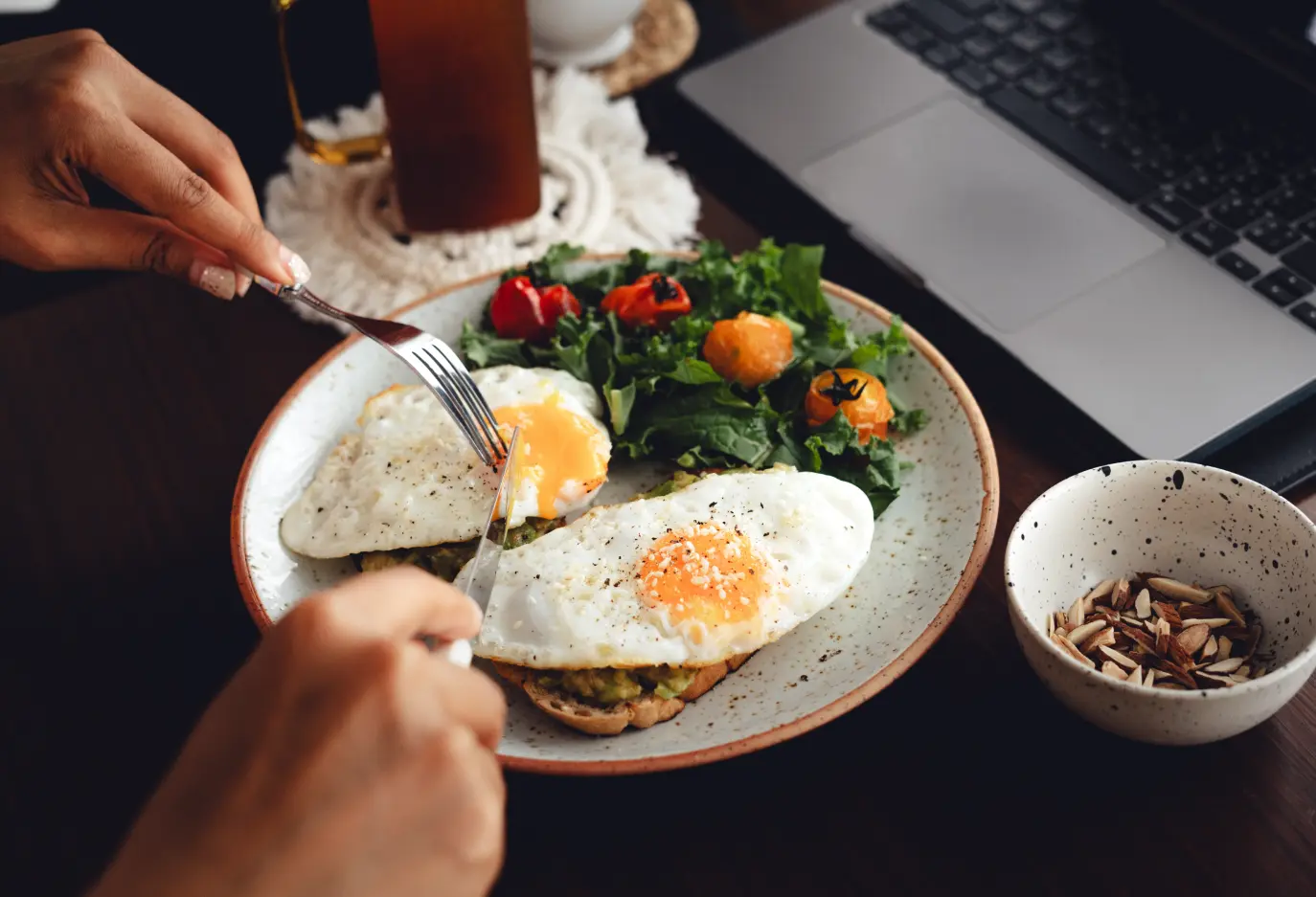
What to eat when I want to lose weight: the basics of eating for weight loss
Try typing ‘what to eat when I want to lose weight’ into a search engine — you’ll find a truly diverse range of opinions, often contradictory. One source will tell you to cut out carbohydrates, another fats, whilst a third will extol the virtues of fasting as the best method. So it’s not about finding that ‘winning’ diet — because it doesn’t exist.
This article is about what to eat whilst losing weight — not a recipe for a single ‘correct’ diet. You’ll see what’s backed by science, what’s disputed even amongst experts, and why, ultimately, it’s not the choice of diet that determines the outcome, but which version you can stick to in the long term.
How to lose weight healthily and sustainably
Healthy weight loss isn’t about speed, but about maintaining your weight loss without sacrificing your muscle mass or your relationship with food. Before we get to specific foods, it’s important to understand one principle on which virtually every researcher agrees.
What to eat when you want to lose weight
A calorie deficit is the fundamental principle — everything else is optimisation. A calorie deficit means that you’re supplying your body with less energy (calories) than it burns. In this state, the body is forced to draw on its reserves, primarily fat. Without a deficit, there will be no loss of fat tissue, regardless of which ‘miracle’ food or supplement you turn to. A sensible deficit is in the region of a few hundred calories a day — exactly how large it should be, and why an excessive deficit is harmful, is discussed in detail in the article How Much Weight Is Healthy to Lose in a Month.
However, it is also important to consider the other side of the coin here. Some experts argue that ‘a calorie is not just a calorie’. According to them, it is not only the quantity but also the type of energy consumed that matters. Journalist and nutrition researcher Jerry Brainum argues in his newsletter that the hormonal response to food (particularly the release of insulin) influences how much energy is stored as fat. He draws on a case study of a man who, whilst consuming the same daily calorie intake of 5,800 kcal, gained the least weight on a low-carbohydrate diet (Brainum J., Applied Metabolics Newsletter, March 2022 — appliedmetabolics.com, citing Feltham et al., Curr Opin Endocrinol Diabetes Obes 2021).
On the other hand, there are controlled studies that have directly compared different diets with one another. DIETFITS found no difference in weight loss between a low-carbohydrate and a low-fat diet. An earlier A TO Z study (Gardner et al. 2007, JAMA — PubMed) did record slightly greater weight loss on the lowest-carbohydrate (Atkins) diet, but the differences were small and the authors pointed out that adherence to the diet played a key role. Furthermore, strictly controlled studies, in which participants live in a laboratory and every calorie is precisely measured, repeatedly show that, given the same calorie deficit, fat loss is comparable across different diets.
💡 What can we take away from this? Opinions on this topic differ. A single-person case study (n = 1) is a weaker form of evidence than a randomised study involving hundreds of people; however, even a large study does not rule out the possibility that individuals may respond differently. A reasonable conclusion: a calorie deficit determines whether you lose weight, and the type of diet can influence how difficult it is to maintain that deficit ( satiety, hunger, energy) — and that is what matters in practice. |
The energy density of foods, on the other hand, is a practical and useful tool that is worth understanding. What is it? Energy density refers to how many calories a food contains per unit volume. Vegetables, fruit, pulses and potatoes have a low energy density, so they take up a lot of space in the stomach and are filling, yet they provide few calories. Oils, nuts, sweets and fried foods have a high energy density — meaning they’re high in calories for a small volume. If you want to eat until you’re full whilst still maintaining a calorie deficit, focus primarily on foods with a lower energy density. This is one of the most reliable strategies.
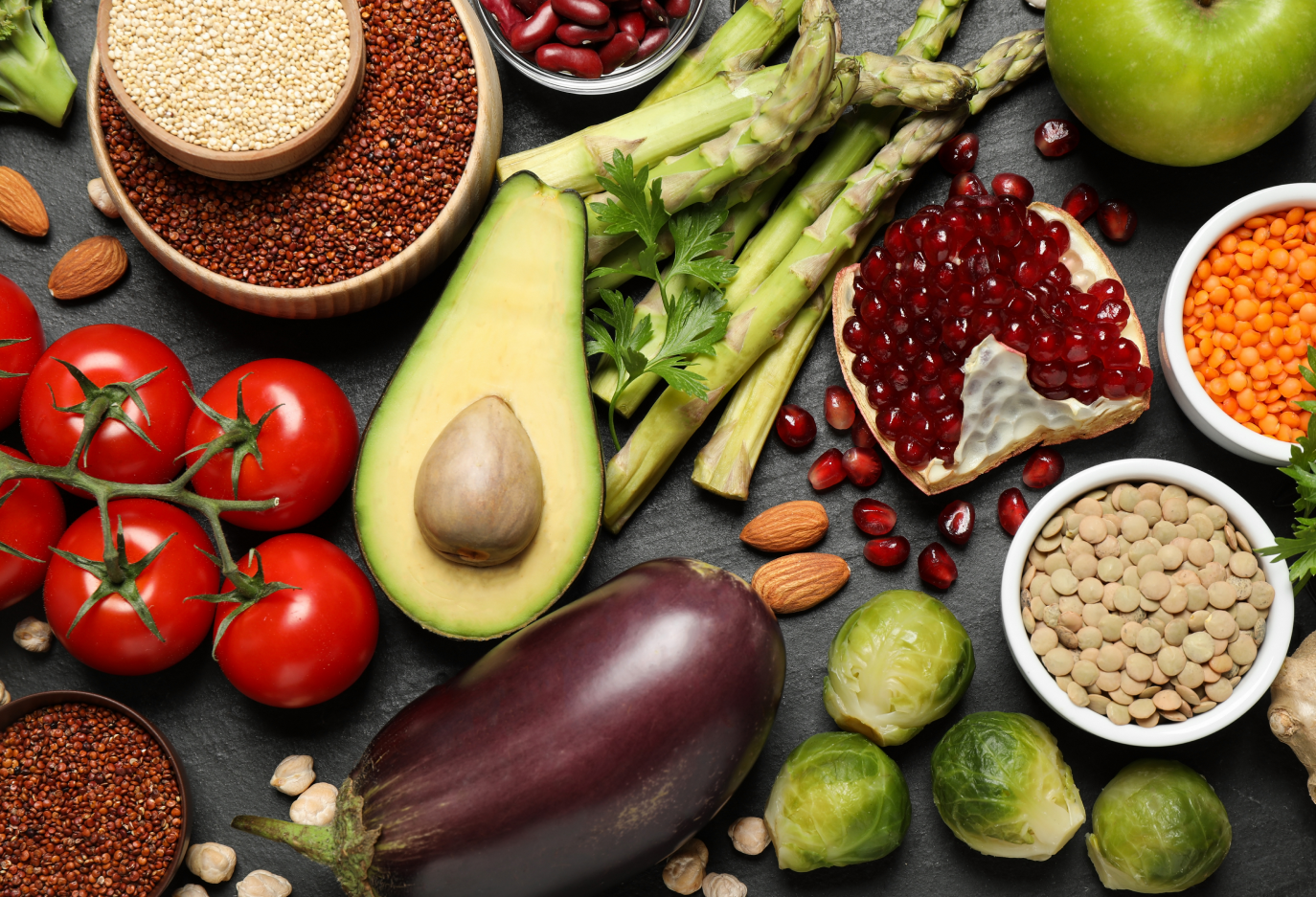
In practice, the ‘whole foods’ approach simply means this: prioritise foods in a state as close to their natural form as possible, i.e. those that have undergone minimal industrial processing. Unprocessed foods are generally more filling, contain more fibre and micronutrients, and make it easier to avoid ‘overeating’ when you eat them.
Specific foods with a good profile for weight loss:
Lean meat and poultry — high in protein, low in energy density (chicken breast, turkey, lean beef)
Fish — protein plus omega-3 fatty acids (salmon, mackerel, sardines, cod)
Eggs — a complete protein with high biological value, very filling
Pulses — lentils, beans, chickpeas: high in protein and fibre, low cost
Vegetables — high volume, low in calories, rich in fibre and micronutrients
Fruit — natural sweetness with fibre, which slows down the absorption of sugar
Wholemeal grains — oats, wholemeal bread, brown rice: complex carbohydrates with fibre
Dairy products — particularly Greek yoghurt and quark: high protein content with a reasonable fat content
What to limit (not ban):
Ultra-processed foods — they combine sugar, fat and salt in such a way that it is easy to eat a lot of them without feeling full
Sweetened drinks — they provide calories with virtually no sense of fullness; the body does not ‘register’ liquid calories in the same way as it does solid food
Excessive alcohol — contains 7 kcal per gram, yet has zero nutritional value and tends to increase appetite
Why no food is ‘off-limits’. When you label a food as off-limits, you make it psychologically more appealing. If you do end up eating it, you experience it as a failure, which is often followed by giving up on the diet altogether. It is better to adopt a flexible approach, where even a favourite unhealthy food can occasionally fit into the overall plan. This isn’t a sign of weakness; sustainability is the factor that, in long-term studies, is most decisive in determining whether a person maintains their weight.
Summary
|
How to eat when losing weight
The question of how to eat when losing weight is not just about what you eat, but also how — frequency, portion sizes and organisation.
Meal frequency: the difference is smaller than commonly believed. It was long believed that frequent small meals ‘speed up the metabolism’. Research has not confirmed this effect: with the same total calorie intake, there is no significant difference in fat loss between 3 and 5 meals a day. The thermic effect of food (the energy expended on digestion) depends on the total amount and composition of the meal, not on the number of portions. Practical conclusion: eat at a frequency that best helps you manage your hunger. Some people prefer 3 larger meals, others 5 smaller ones.
Portion sizes and visual aids. If you don’t want to weigh every mouthful, your own hand can serve as a simple guide. It’s always about the amount of food that fits in a particular part of your hand. These guides aren’t accurate to the gram, but for most people they’re sufficient for a reasonable estimate.

Created using Claude AI (Anthropic).
Planning and meal prep. Preparing meals in advance (meal prep) takes the decision-making out of those moments when you’re hungry, tired and more likely to reach for whatever you can find at home. It doesn’t have to involve cooking for the whole week; it’s enough to have basic ingredients ready (such as cooked rice, chopped vegetables, a source of protein), from which you can quickly put together a meal.
Eating out. You don’t necessarily have to break your diet even when eating in a restaurant. A few practical tips will help:
choose a dish with a clear source of protein and vegetables,
sauces and dressings are a source of hidden calories; ask for them on the side and limit the amount used,
consider cutting out liquid calories (sweetened drinks, alcohol) first,
feel free to split large portions into two meals.
Hydration and its underestimated impact. Water contains no calories, and a glass of water before a meal can slightly reduce the amount you eat. Furthermore, the body sometimes confuses thirst with hunger — so drinking enough fluids indirectly helps to control your appetite.
Summary
|
Exercise and fat burning
Diet accounts for the lion’s share of weight loss results, but exercise plays an irreplaceable role, particularly in maintaining muscle mass and overall health.
Cardio vs. strength training. Put simply: cardio (running, cycling, swimming) burns more calories during the workout itself, whilst strength training helps to preserve muscle mass during a calorie deficit. Muscle is metabolically active tissue, which means that losing it reduces your resting energy expenditure and makes it harder to maintain your weight. That is why most weight-loss experts recommend a combination of both types of training. We explore the topics of muscle preservation and the rate of weight loss in more detail in the article How much weight is healthy to lose in a month.
NEAT — the most underestimated factor. NEAT (Non-Exercise Activity Thermogenesis) refers to the energy expenditure associated with all activity that is not targeted exercise. This includes, for example, walking, standing, gesturing and cleaning. For many people, it accounts for a larger proportion of their daily energy expenditure than exercise itself. This is where a simple walk comes into its own . In its review article *The Walking Cure*, Brainum summarises research indicating that approximately 10,000 steps a day equates to roughly 3,500 kcal per week (Brainum J., Applied Metabolics Newsletter, December 2024 — appliedmetabolics.com). Please treat this calculation as a rough guide — actual energy expenditure varies depending on body weight, pace and terrain, and the popular equation ‘3,500 kcal = half a kilo of fat’ is merely a rough estimate. The key point is that walking can significantly increase daily energy expenditure and also acts as a mild appetite suppressant.

HIIT — effectiveness and limitations. HIIT (High-Intensity Interval Training, i.e. alternating short, intense bursts with rest periods) is a time-efficient way to burn calories and improve fitness. However, it has its limitations: it places high demands on recovery and is not suitable for complete beginners with no prior training. It is not superior to other forms of exercise; it is simply one option.
Why cardio alone isn’t enough. Cardio on its own, without strength training and without sufficient protein, leads to a loss of muscle as well as fat when in a calorie deficit. You’ll see a lower number on the scales, but the loss of muscle mass reduces your resting metabolic rate: from then on, your body burns fewer calories even at rest, making it harder to maintain your target weight.
A realistic estimate of calories burnt. Exercise burns fewer calories than most people think — a typical strength or cardio session burns in the region of a few hundred calories. A glass of a sugary drink and a cake ‘as a reward’ will wipe out this calorie burn in a matter of minutes. Exercise is valuable for your health, muscles and mood, but it fails as a ‘licence to eat’.
Summary
|
Protein — a key nutrient for weight loss
If one nutrient is to take precedence when losing weight, it is protein. Not because it ‘burns fat’ on its own, but because it addresses several issues that make weight loss difficult.
How much protein during a calorie deficit? Expert sources generally agree that active people in a calorie deficit should aim for roughly 1.6–2.4 g of protein per kilogram of body weight per day. The position statement of the International Society of Sports Nutrition (ISSN) recommends approximately 1.4–2.0 g/kg for building and maintaining muscle mass , whilst during calorie restriction, it is recommended to aim for the upper limit of this range or slightly above it (Jäger et al. 2017, J Int Soc Sports Nutr — PubMed). The greater the calorie deficit and the more muscle you want to preserve, the closer you should aim for the upper limit. For a 70 kg person, this amounts to approximately 110–170 g per day.
💡 Practical tip: Include a source of protein in every main meal. It’s not about ‘chasing grams’ at any cost — it’s the simplest way to increase satiety and protect your muscles. |
Thermic effect of food (TEF). TEF is the energy your body uses to digest and process food. Of all the macronutrients (the three main nutrients — protein, carbohydrates and fats), protein has the highest TEF. The body uses around 20–30 per cent of their energy content to process them, whereas for carbohydrates and fats, this figure is significantly lower. Some of the calories obtained from protein are therefore ‘lost’ during digestion.
Satiety — proteins are the most effective at curbing hunger. In practice, this is probably the most important benefit. Of all the macronutrients, protein is the most effective at promoting satiety. In several articles, Brainum links this to the hormonal regulation of hunger: protein suppresses the hunger hormone ghrelin and promotes the release of satiety hormones, including GLP-1 (Brainum J., Applied Metabolics Newsletter, May 2024 — appliedmetabolics.com). In practice, a higher protein intake therefore means less hunger, and less hunger means a greater ability to maintain a calorie deficit.
Preservation of muscle mass. During a calorie deficit, the body draws not only on fat but potentially on muscle as well. Adequate protein intake, combined with strength training, is the main way to minimise muscle loss. We’ve discussed why this matters and how quickly it’s actually healthy to lose weight in the article How much weight is healthy to lose in a month.
Sources: the quality of the amino acid profile. Not all proteins are the same. Biological value indicates how well the body can utilise a protein: it depends on the content of essential amino acids (those the body cannot produce itself). Animal sources such as eggs, milk, meat and fish have a complete profile. Plant-based sources tend to be deficient in certain amino acids, but this can easily be remedied by combining them (e.g. pulses + cereals).
Food (100 g) | Protein (approximate) | Note |
Chicken breast | 23–31 g | low energy density |
Cod / white fish | 18–24 g | low-fat, GLP-1-friendly |
Eggs | 12–13 g | complete nutritional profile, highly satiating |
Low-fat quark | 12–17 g | slow-digesting casein |
Greek yoghurt | 8–10 g | suitable for a snack |
Lentils (cooked) | 8–9 g | + fibre, plant-based source |
Tofu | 8–12 g | complete plant-based source |
Summary
|
Carbohydrates and fats during weight loss
Both carbohydrates and fats are often alternately blamed for weight gain. Neither of these views holds water. It all depends on the quantity, type and overall context.
Carbohydrates
Complex vs. simple. Simple carbohydrates (sugar, white flour, sweetened drinks) are absorbed quickly and trigger a sharper rise in insulin levels. Complex carbohydrates (wholemeal grains, pulses, vegetables) are digested more slowly and provide a more stable energy supply. When losing weight, this doesn’t mean that simple carbohydrates are off-limits; it means that the majority of your intake should come from complex sources, which are more filling.
Fibre — satiety and the gut microbiome. Fibre is a type of carbohydrate that the body cannot digest. It slows down the absorption of sugar, prolongs the feeling of fullness and serves as ‘food’ for the bacteria in the gut microbiome. These bacteria use it to produce short-chain fatty acids, which have beneficial health effects. The commonly recommended daily intake of fibre is around 25–30 g, although most people actually consume considerably less. We explore the topic of the microbiome in detail in the article Boost your immunity: The secrets of the gut microbiome.
Glycaemic index (partial significance). The glycaemic index (GI) measures how quickly a food raises blood sugar levels. It is a useful guide, but it has its limitations: it varies depending on whether you eat the food on its own or as part of a meal containing fats and proteins, as well as on the degree of processing and individual response. It is useful as a guide, but not as the sole criterion. You can read more about stabilising blood sugar levels in the blog The Glucose Revolution: Keep your blood sugar levels in balance and your life will change!
A low-carb diet works for some people, but not for others. This brings us back to the debate from the introduction. Brainum argues that people with insulin resistance (reduced sensitivity of cells to insulin) respond better to a low-carbohydrate diet and that, in his experience, low-carbohydrate diets lead to faster fat loss. In contrast, the controlled DIETFITS and A TO Z trials found no systematic superiority of a low-carb diet over a low-fat diet at comparable calorie intakes. Interestingly, DIETFITS also tested the hypothesis that insulin response can predict which diet suits which person — and did not confirm this hypothesis. The conclusion remains open: both camps have their data, and individual responses may well be a factor. If a low-carb diet suits you and you can stick to it, it is a legitimate choice. If not, a low-fat diet with sufficient protein works just as well.
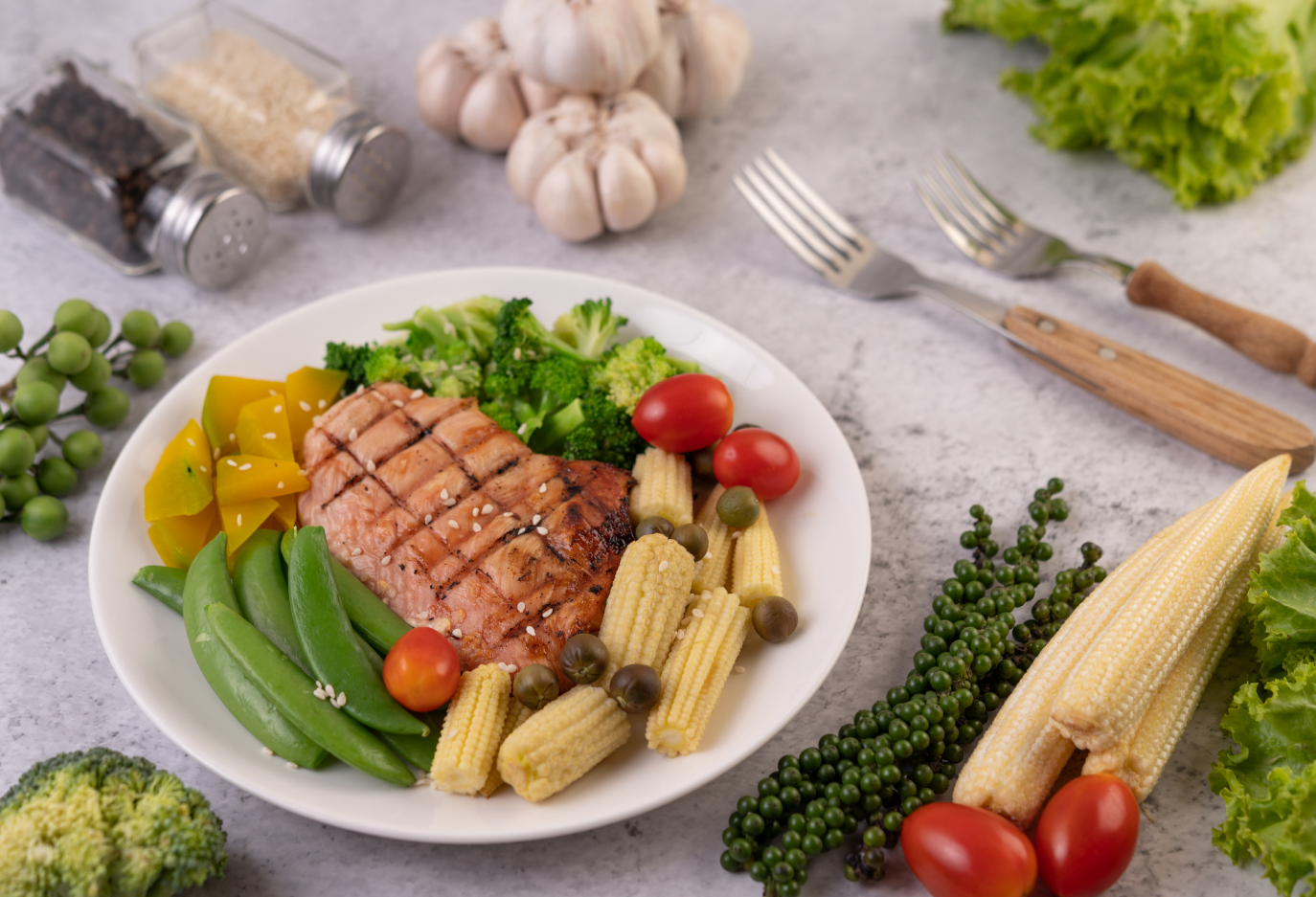
Fats
Essential fatty acids (omega-3, omega-6). Some fats are essential for the body — it can only obtain them from food. In our part of the world, a deficiency in omega-3 — found in oily fish and certain seeds and nuts — is particularly critical. When trying to lose weight, therefore, fats cannot be cut out entirely — their complete absence is harmful to health.
Fats and hormonal balance. Fats are the building blocks for some hormones, including sex hormones. Too low a fat intake can disrupt hormonal balance in the long term. A separate article on explores the relationship between hormones and weight loss Hormones and weight loss: testosterone, IGF-1 and their impact on metabolism.
The myth that ‘fat = weight gain’. Fat contains 9 kcal per gram, which is more than protein and carbohydrates (4 kcal each). This makes it the most energy-dense macronutrient: it is easy to consume a lot of calories from it in a small volume. However, this does not mean that fat in itself causes weight gain. Weight gain results from a calorie surplus, regardless of where the calories come from. A moderate amount of healthy fats has a place in a weight-loss diet; you just need to be mindful of their density (one portion is roughly the size of your thumb).
Trans fats and saturated fats — context. These two terms are often confused, although they are different things and each requires a different approach. A practical conclusion right at the start: cut trans fats out of your diet, keep saturated fats to a reasonable level — and don’t worry about them if the rest of your diet is in order.
Industrial trans fats are produced by hydrogenating vegetable oils and are found mainly in cheap, old-style margarines, industrial sweet pastries, biscuits and icings. They are linked to an increased risk of cardiovascular disease and have no place in the diet. In the EU, their content in food is now legally restricted. They are rarely labelled directly as ‘trans fats’ in the ingredients list — so look out for phrases such as ‘partially hydrogenated vegetable fat’ or ‘partially hydrogenated vegetable oil’. The word ‘partially’ is key: fully hydrogenated fats contain virtually no trans fats, so it is partial hydrogenation that is the problem.
Saturated fats are naturally found in butter, fatty meat, full-fat dairy products and coconut oil. On the packaging, you’ll find them in the mandatory nutrition table under the heading ‘Fats — of which saturated fatty acids’ (listed in grams per 100 g). Ingredients such as palm fat, coconut fat, butter or tallow also indicate their presence in the list of ingredients. Opinions differ on this — nutritional guidelines tend to limit their intake, but the overall context of the diet is more important than any single isolated nutrient.
Summary
|
Why extreme diets fail
Keto without context, the carnivore diet, juicing, ‘zero’ days… Various fads and extreme diets promise quick results. And whilst they may work in the short term, the problem lies in their sustainability.
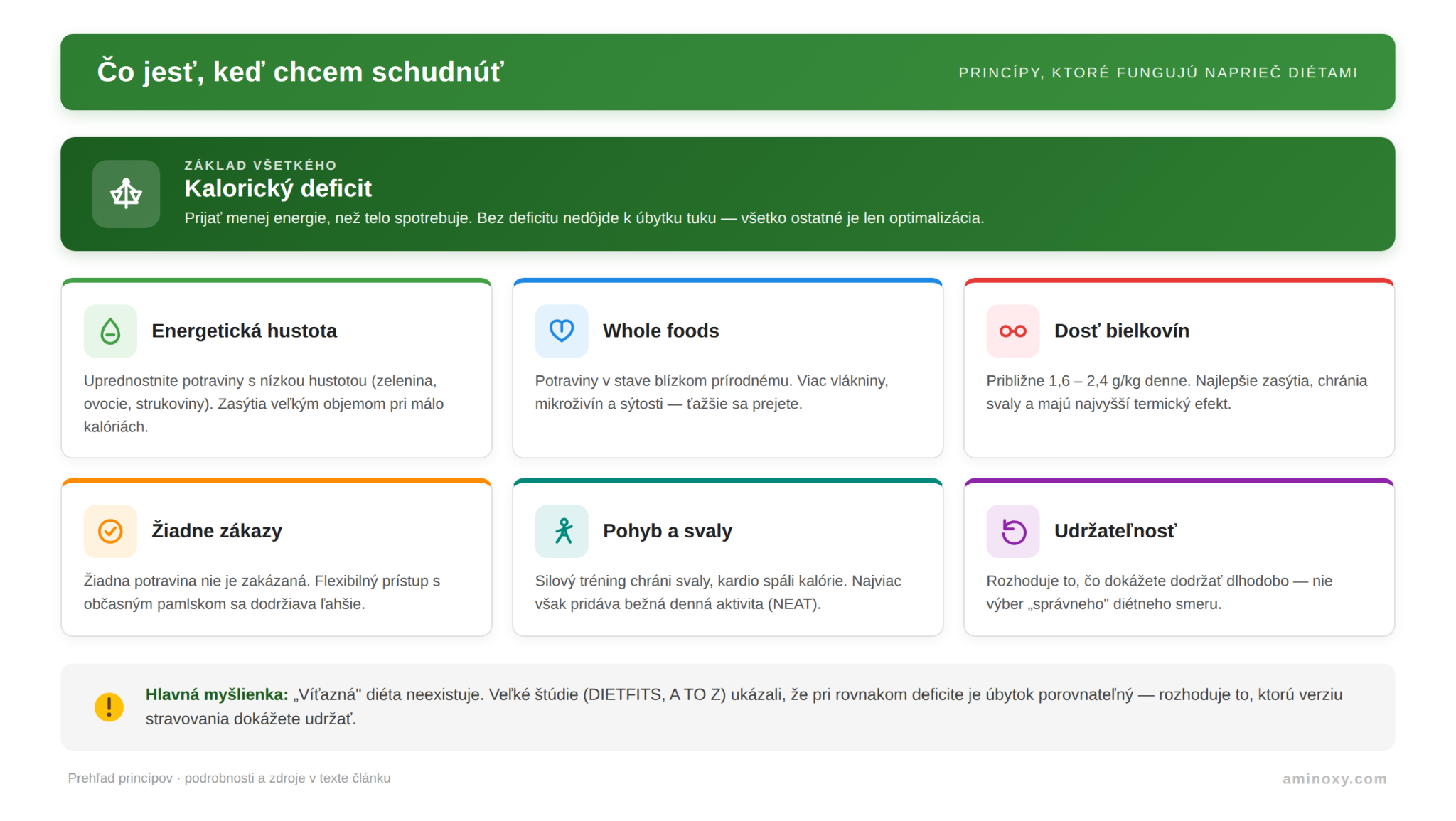
The stricter the rules of a diet and the more foods it bans, the harder it is to stick to in the long term. It may lead to significant weight loss in the short term — albeit mainly water and muscle — but if you can’t maintain it, the weight comes back. This is precisely why large comparative studies such as DIETFITS emphasise one factor more than macronutrient composition: compliance — the ability to stick to the diet. In DIETFITS, it wasn’t the people in the ‘correct’ group who fared best, but those who managed to stick to their approach for a whole year. This does not mean that keto or other approaches are bad — if someone can stick to them in the long term, they are a legitimate choice.
Created using Claude AI (Anthropic).
Natural support for obesity and metabolic health: what Aminoxy offers
If you’re looking for dietary supplements that can support a healthy metabolism and a weight-loss lifestyle, take a look at our online shop. Aminoxy offers high-quality weight-loss supplements with transparent ingredients. As we’ve already mentioned, no supplement on its own can cure obesity, but it can be a useful aid alongside lifestyle changes.
I’d like to view weight-loss supplements >
Important notice: The information in this article is intended solely for educational purposes. It does not constitute medical advice or a diagnosis. If you suspect you may have obesity, metabolic syndrome or related conditions, you should always consult a doctor. Before taking any dietary supplements — particularly if you have health problems or are taking medication — consult your doctor or pharmacist.
📚 This article is part of the ‘How to Lose Weight Healthily’ series. Read also:
How much weight is healthy to lose in a month, and why rapid weight loss fails
Hormones and weight loss: testosterone, IGF-1 and their impact on metabolism
Mental health and weight loss: self-confidence, stress and your relationship with your own body
Sources
Gardner CD, Trepanowski JF, Del Gobbo LC, et al. Effect of a low-fat versus a low-carbohydrate diet on 12-month weight loss in overweight adults and the association with genotype pattern or insulin secretion: The DIETFITS randomised clinical trial. JAMA. 2018;319(7):667–679. DOI: 10.1001/jama.2018.0245 | PubMed
Gardner CD, Kiazand A, Alhassan S, et al. Comparison of the Atkins, Zone, Ornish, and LEARN diets for changes in weight and related risk factors among overweight premenopausal women: The A TO Z Weight Loss Study: A randomised trial. JAMA. 2007;297(9):969–977. DOI: 10.1001/jama.297.9.969 | PubMed
Jäger R, Kerksick CM, Campbell BI, et al. International Society of Sports Nutrition Position Statement: protein and exercise. J Int Soc Sports Nutr. 2017;14:20. DOI: 10.1186/s12970-017-0177-8 | PubMed
Brainum J. A Calorie is A Calorie–or is it? Applied Metabolics Newsletter. March 2022. appliedmetabolics.com
Brainum J. The Walking Cure. Applied Metabolics Newsletter. December 2024. appliedmetabolics.com
Brainum J. Natural Alternatives to GLP-1 Agonist Drugs. Applied Metabolics Newsletter. May 2024. appliedmetabolics.com