

Imagine a life full of energy, free from fatigue and health issues. Does it sound like a dream? It doesn't have to be! Welcome to the world of the glucose revolution, which is transforming how we view our diet and health.
Glucose, a simple sugar that serves as the primary energy source for our body, plays a key role in many physiological processes. Its proper regulation is essential for the optimal functioning of our bodies. However, in modern society, where the consumption of highly processed foods and a sedentary lifestyle prevail, many of us struggle with constant fluctuations in blood sugar levels, which can lead to a range of health problems.
What is the Glucose Revolution?
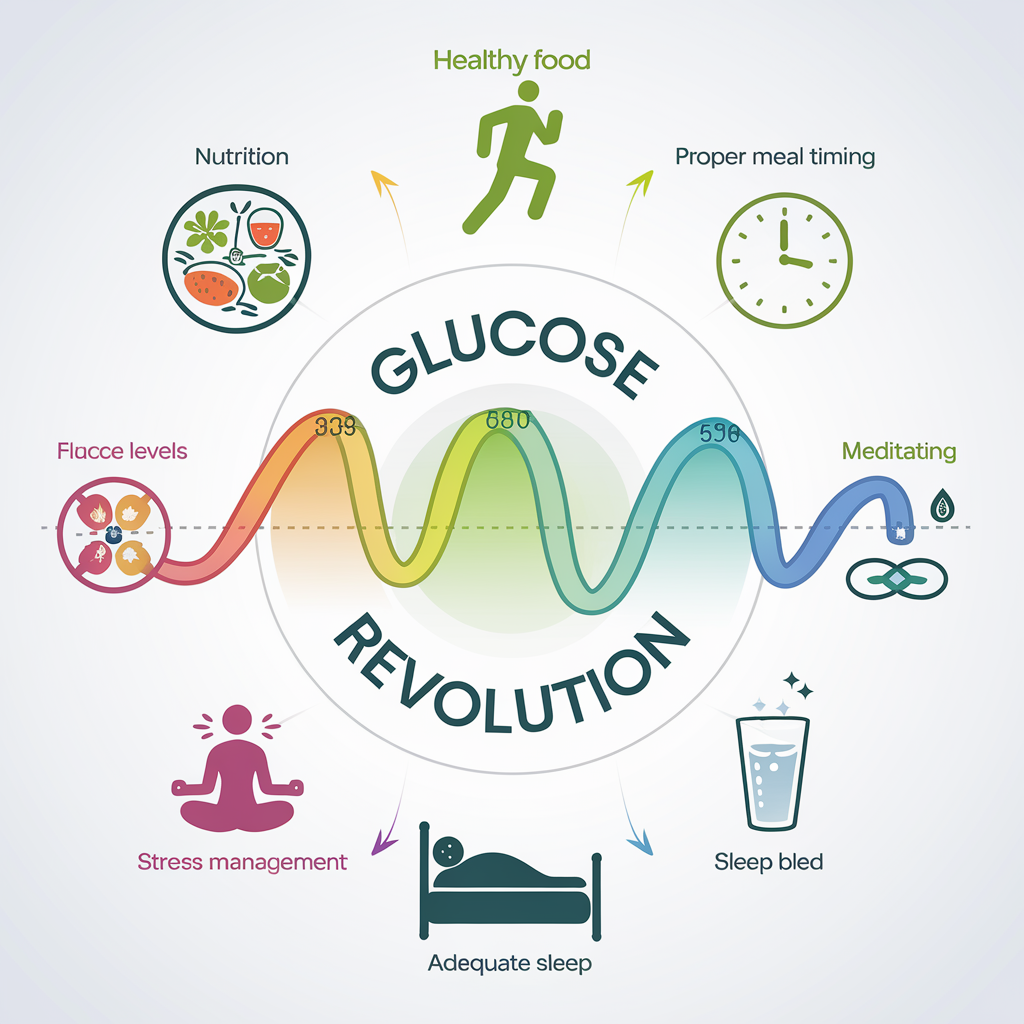
The Glucose Revolution is a new approach to nutrition popularized by Jessie Inchauspé, a French biochemist known as the "Glucose Goddess". This concept focuses on maintaining stable blood sugar levels, which can have a fundamental impact on our overall health, energy, and lifestyle.
In today's world, where obesity, fatigue, and chronic health issues are on the rise, the glucose revolution offers practical solutions. It is not a drastic diet, but rather an understanding of how our body processes different foods and how we can optimize this process.
It is not a strict diet or a complex meal plan. Instead, the glucose revolution offers a series of simple yet effective strategies that we can easily incorporate into our daily lives. These techniques are based on scientific findings regarding how our bodies process different foods and how we can optimize this process for better health and well-being.
Why is this important for you?
You might think that controlling blood sugar levels is only important for diabetics. The opposite is true! Stable levels can help with:
Weight loss: Stable blood sugar levels help regulate cravings for sweets.
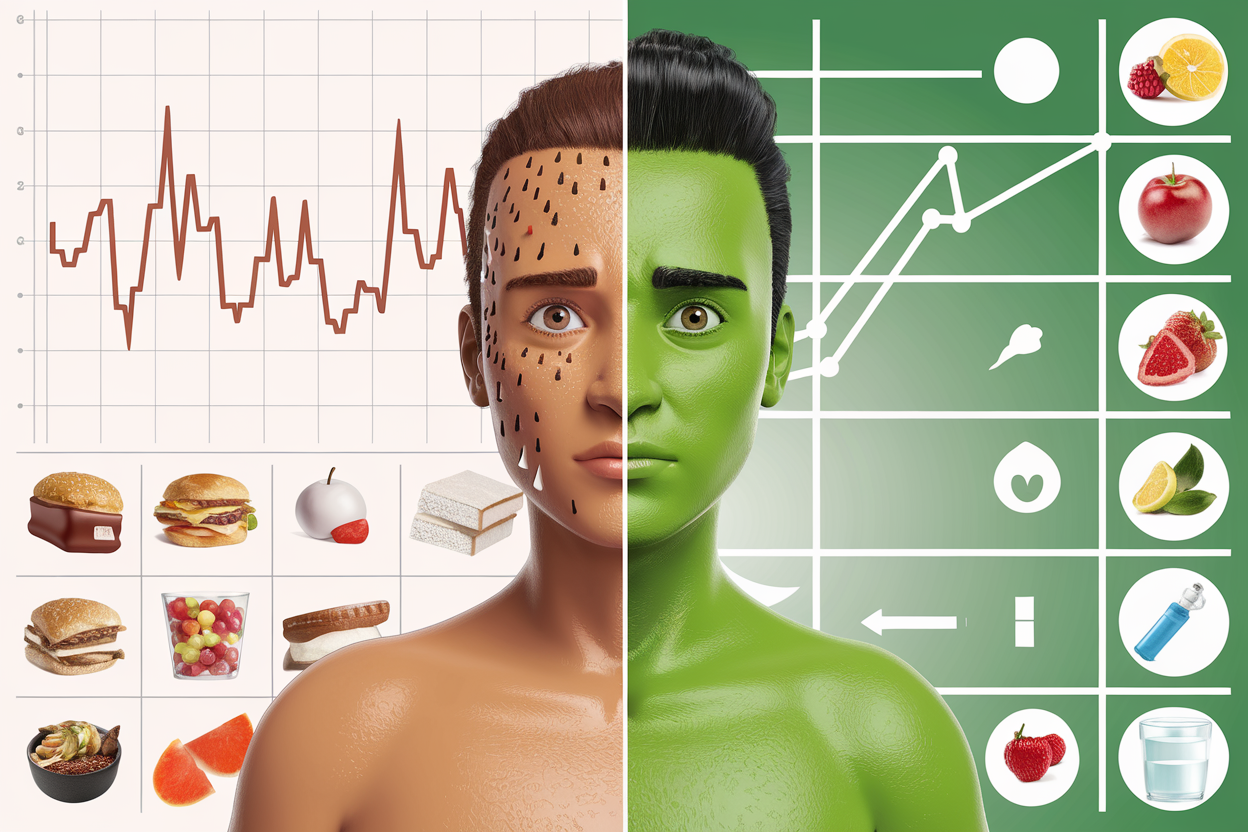
Skin improvement and reduction of acne: High blood sugar levels can lead to inflammation in the body, which often manifests on the skin.
Increased energy and reduced fatigue: Avoiding sharp spikes in blood sugar levels maintains a stable energy level throughout the day.
Mood improvement: Stable blood sugar can reduce mood swings and feelings of anxiety.
Prevention of chronic diseases: Long-term blood sugar instability can contribute to the development of type 2 diabetes, heart disease, and other chronic illnesses.
Answer the following questions for yourself:
Do you often feel tired or weak?
Do you feel hungry even after a meal?
Is your waist circumference more than 100 cm (men) or more than 90 cm (women)?
Have you been diagnosed with pre-diabetic risk syndrome or type 2 diabetes?
Are you unable to concentrate?
Do you suffer from frequent infections or slow wound healing?
Are you sleepy in the morning, but also in the afternoon?
Do you feel nervous for no apparent reason?
Do you need caffeine to be able to concentrate during the day?
Do you suffer from heart problems?
Do you have acne or other skin problems?
Do you think you could feel better than you do today?
If you answered "yes" to more than half of the questions, the glucose revolution could significantly help you improve your quality of life.
Practical tips and tricks for stable blood sugar:
Trick #1: Consume foods in the right order
Imagine your stomach is like a sink and your intestine is the drain pipe underneath it. Whatever you eat ends up in the sink and then goes into the pipe, where it is broken down into molecules and absorbed into the bloodstream.
If you send sugar or starch into your stomach first, it reaches the intestine very quickly. There, it breaks down into glucose molecules and rapidly enters the bloodstream—this causes a glucose spike.
On the other hand, if you eat vegetables first and then carbohydrates, a huge difference occurs. Vegetables have a lot of fiber, and fiber does not turn into glucose during digestion. It passes undisturbed from the stomach to the intestine, where it slows down the absorption of sugars into the bloodstream.
The correct order of food consumption is:
Vegetables
Proteins and fats
Carbohydrates
This simple trick can significantly reduce your body's glucose response to food. Start your lunch or dinner with a salad or a bowl of vegetables, then have the main course with proteins and fats, and finally, treat yourself to carbohydrates if you are still hungry.
Trick #2: Add vinegar before a meal
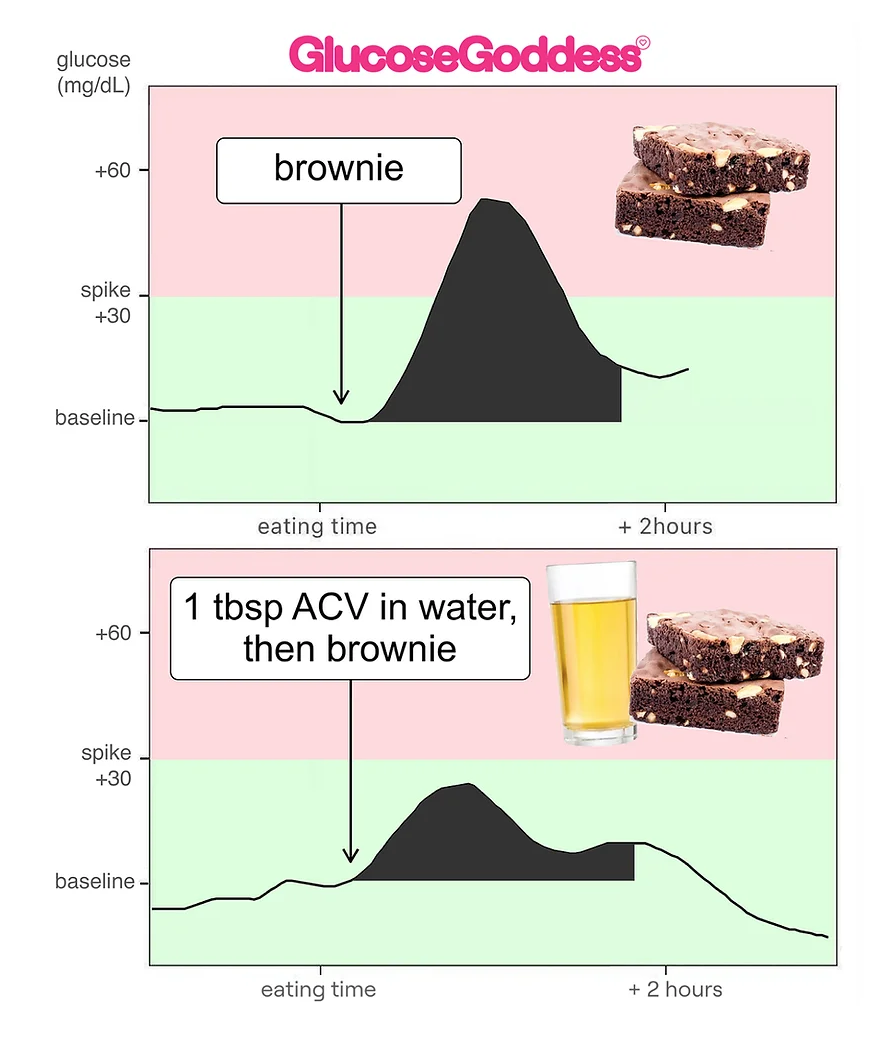
It may surprise you, but ordinary vinegar can be your secret ally in the fight against sharp fluctuations in blood sugar levels. Research has proven that consuming a small amount of vinegar before a meal can reduce your body's glucose response.
How does it work? Vinegar contains acetic acid, which has several positive effects on our metabolism:
Slows down stomach emptying: This means food stays in the stomach longer, which leads to a slower delivery of sugar into the bloodstream.
Improves insulin sensitivity: Vinegar improves the cells' ability to respond to insulin, meaning the body can better process blood sugar.
Suppresses starch digestion: Acetic acid can partially inhibit the enzymes that break down starch into glucose, further reducing the speed at which sugar enters the blood.
How to use it in practice? Try having a teaspoon of apple cider vinegar diluted in a glass of water before your main meal. If you don't like the taste of pure vinegar, you can add it to a salad as part of a dressing or use it while cooking.
It is important to state that although vinegar is effective, it is not a miracle cure. As always, if you have any health problems or take medication, consult your doctor about making specific changes to your diet.

Trick #3: Take a short walk after eating
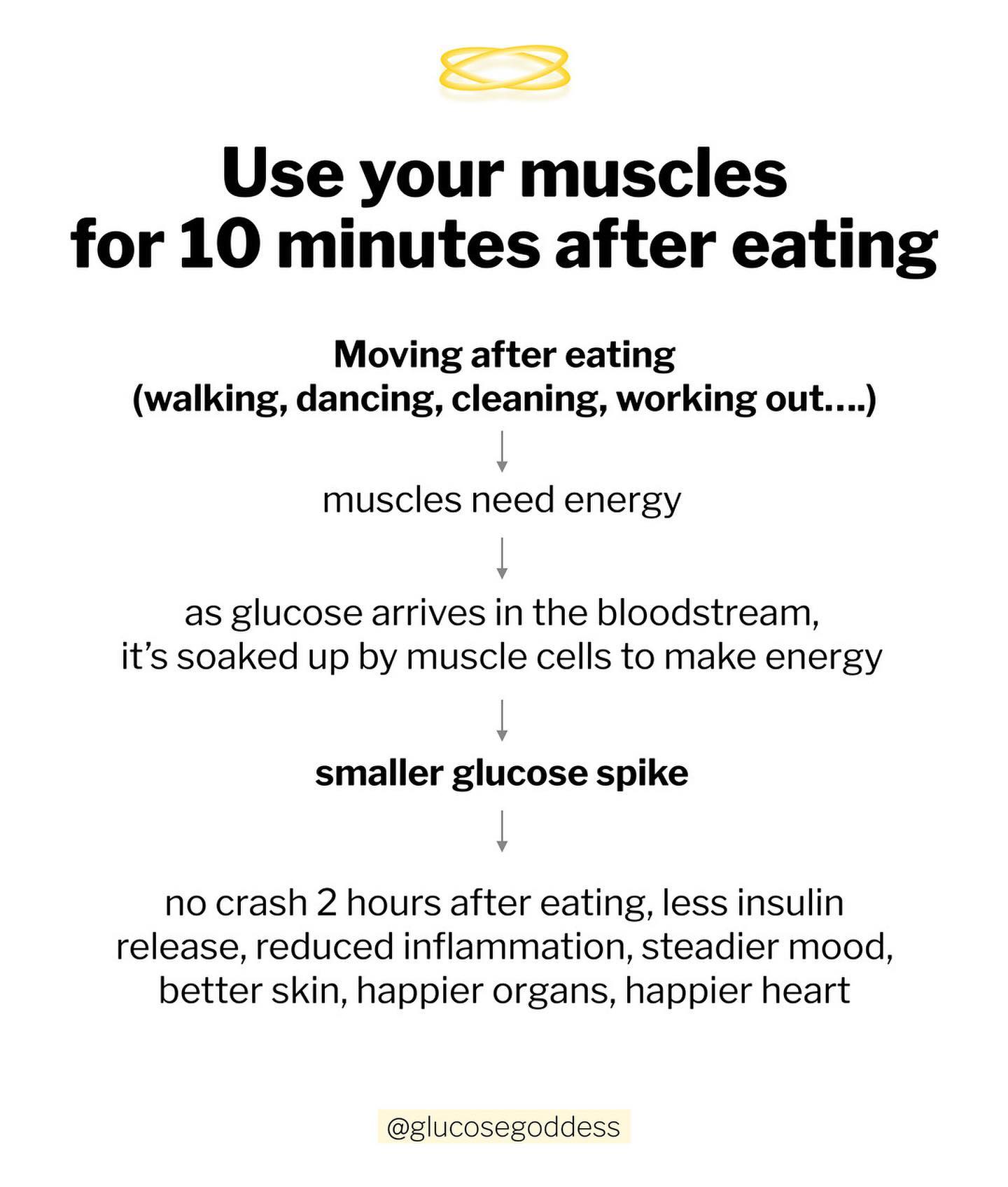
A short walk after a meal can significantly reduce blood sugar levels. Muscle activation during movement consumes glucose and increases cell sensitivity to insulin, which helps process sugar more effectively.
How to incorporate this into your daily routine:
Start slowly: If you are not used to moving after a meal, start with a 5-minute walk and gradually increase the time.
Be consistent: Try, if possible, to include a walk after every main meal.
Combine the pleasant with the useful: Use the walking time to talk on the phone with friends or listen to your favorite podcast.
Involve the family: Make an after-dinner walk a family tradition.
Adjust your approach: The goal is moderate activity, not intense exercise. The walk should be pleasant, not exhausting.
The goal is an activity that supports digestion and the absorption of sugar into the bloodstream. Consult a doctor before starting a new exercise program if you have health issues.
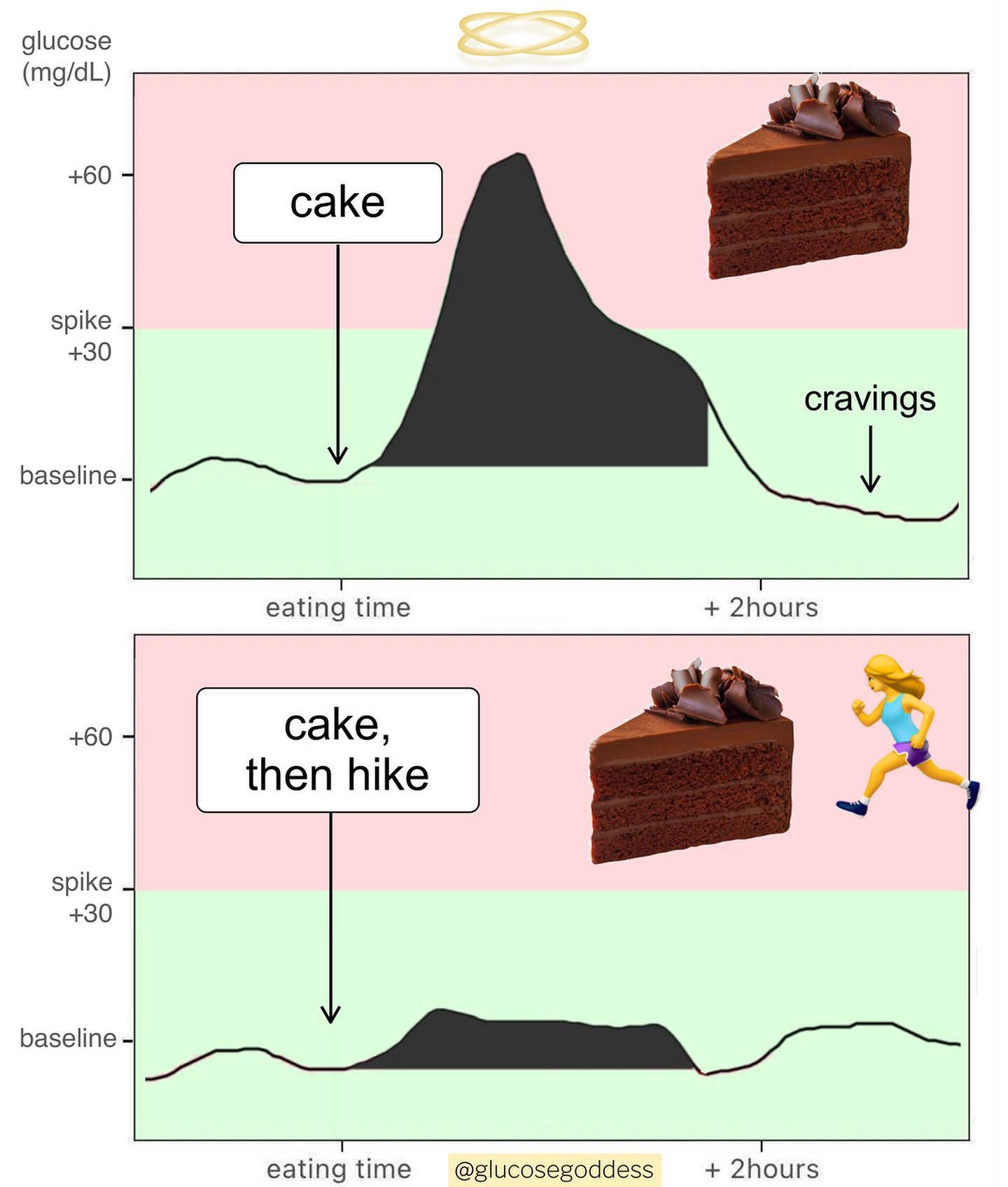
Trick #4: Combine carbohydrates with proteins and fats
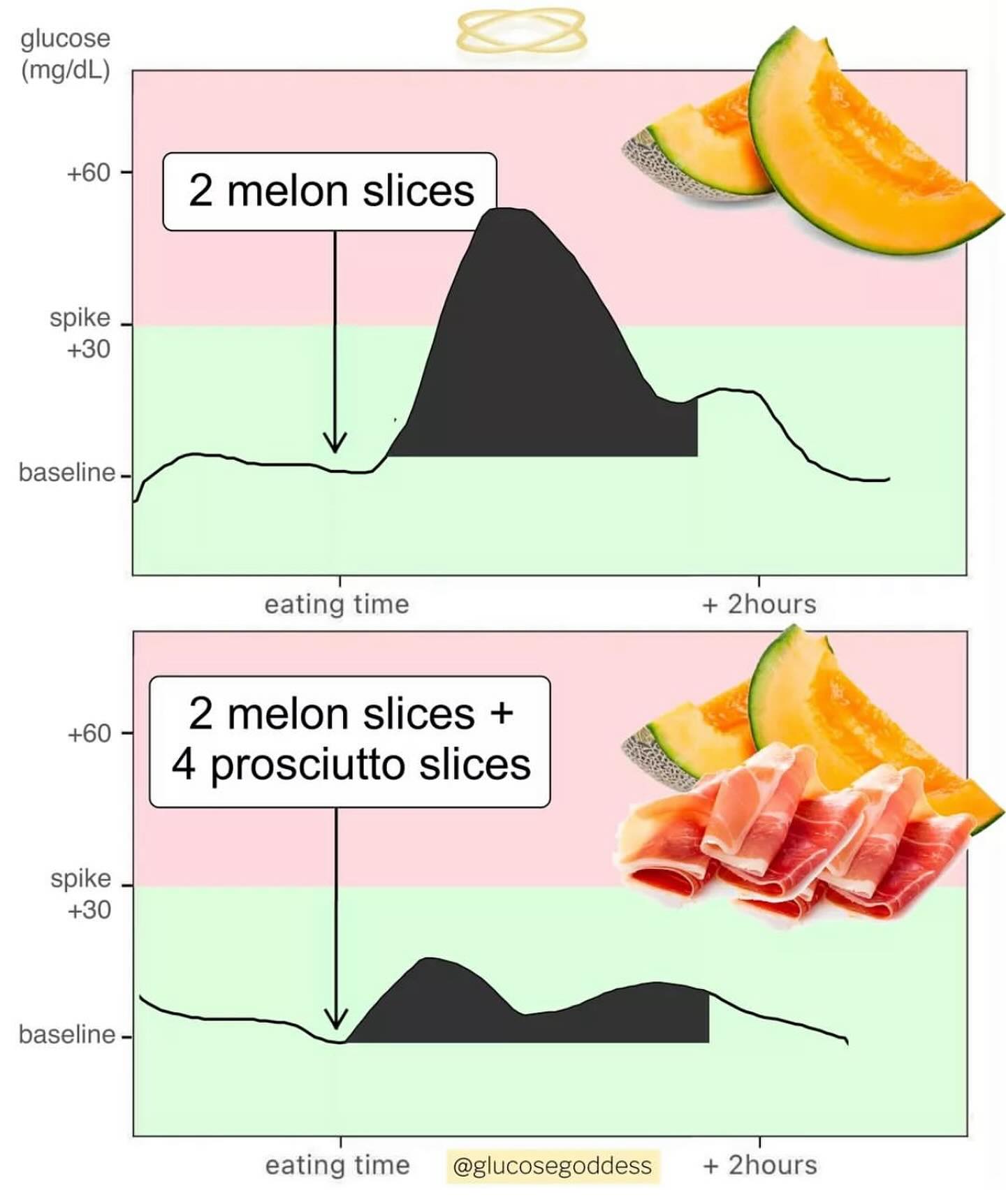
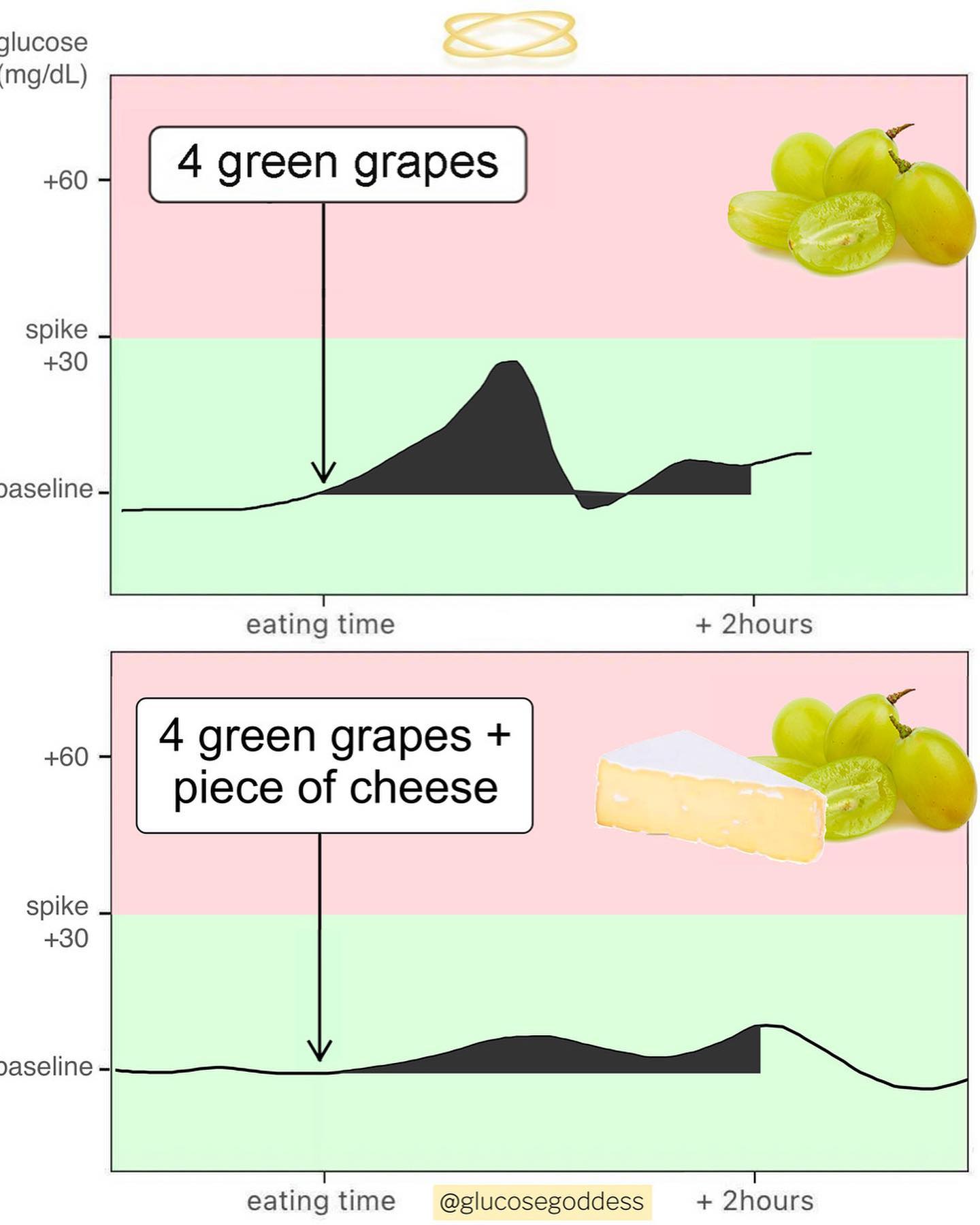
Imagine carbohydrates as a fast car on the highway of your digestive system. When you eat them alone, they reach your blood quickly and cause a sharp spike in blood sugar levels. But what if we added speed bumps to this highway? That is exactly what protein and fat are.
When you add protein and healthy fats to a carbohydrate-rich meal, it is as if you have added curves and speed bumps to the highway. Your digestive system has to work longer and harder to process all these nutrients at once. The result is that sugar is released into the blood gradually, without sharp spikes.
Practical tips:
Instead of an apple alone, have an apple with a spoonful of peanut butter.
Add an egg or avocado to your toast.
Prepare your oatmeal with nuts and seeds.
Add chicken and olive oil to your rice.
Such a combination not only stabilizes blood sugar levels but also keeps you feeling full longer and provides more energy.
Trick #5: Avoid sugary drinks on an empty stomach
Imagine your empty stomach as a large, empty room. When you pour a sugary drink into it, it's like letting a huge crowd of people into that room at once - chaos ensues. Similarly, when you drink a sugary beverage on an empty stomach, the sugar is absorbed into your bloodstream very quickly, causing a sharp spike in blood sugar levels.
Conversely, when there is food in your stomach, it’s as if the room is filled with furniture. The people (sugar) cannot move as quickly, and entry is regulated. Food in the stomach slows down sugar absorption, thereby preventing a sharp spike in blood glucose levels.
Practical tips:
If you are craving a sugary drink, have it during or immediately after a meal.
Opt for water with a slice of lemon or unsweetened tea instead.
If you are buying coffee, avoid sugary syrups and sweeten it with a little honey or stevia instead.
Prepare your smoothies with protein (e.g., Greek yogurt or protein powder) and healthy fats (e.g., avocado or chia seeds).
The bottom line is that it is best to drink mostly water and unsweetened beverages on an empty stomach. If you do reach for a sugary drink, try to consume it as part of a balanced meal or after eating.
Trick #6: Stop counting calories
How to stop counting calories and start focusing on the glucose curve:
The traditional approach to weight loss and healthy eating often focuses on counting. However, the Glucose Revolution offers a new perspective. Instead of obsessively tracking every calorie, focus on how your food affects your blood sugar levels.
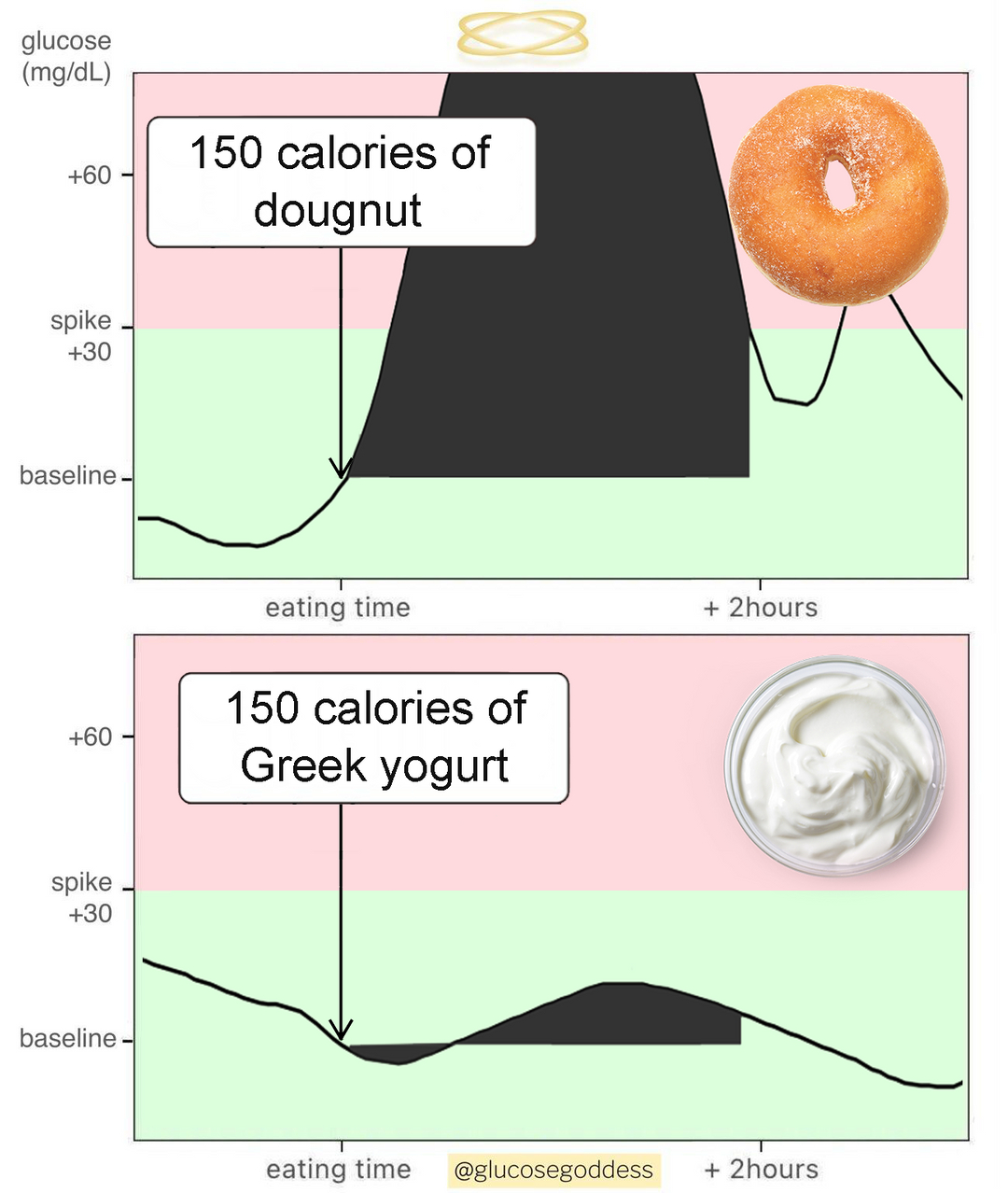
A 2015 research team from the University of San Francisco proved that we can eat the same amount of calories, but if we change the molecules we consume, we can recover from various diseases. They clearly demonstrated that calories from fructose are worse than calories from glucose (fructose creates inflammation in the body and damages cells) and are more likely than glucose to be converted into fat.
The study followed obese teenagers for 9 days. They were asked to replace calories from fructose with calories from glucose (for example: instead of a donut with a large amount of fructose, they had a sandwich, which consists primarily of glucose). The number of calories did not change. But what happened?
Their health improved: both blood pressure and the triglyceride-to-HDL ratio. This fundamental change happened in just nine days.
The research results are clear: 100 calories of fructose harms us more than 100 calories of glucose. That is why it is better to eat something containing starch than something sweet.
How to change your approach:
Stop tracking the numbers and focus on how you feel after eating: Do you have stable energy? Do you feel satisfied, but not overstuffed?
Focus on the composition of meals: Instead of worrying about the "how much," focus on ensuring that every meal contains protein, healthy fats, and fiber.
Experiment with food order: Start your meal with vegetables, then add proteins and fats, and finally, have the carbohydrates. Watch how this affects your energy and feelings of satiety.
Be patient: Tracking your glucose curve can take time. Give your body time to adapt and learn from what you observe.
Hydrate: Sufficient water intake is important for proper metabolism and can help stabilize blood sugar levels.
Here is one final success story to wrap things up :)
Twenty-eight-year-old Mária works in a tech company. For almost a decade, whenever she left the house, she had to carry a bag full of snacks under her arm. She simply had to. If she didn't eat every 90 minutes, she would start shaking, couldn't organize her thoughts, and needed to sit down. Her diary was limited by this fact—if something lasted longer than an hour and a half and she knew she wouldn't be able to eat during it, unfortunately, she wouldn't attend. Many of us know someone (or maybe it's you) who doesn't feel well if they don't eat as often as they need to, or in other words, at specific intervals. Mária had various diagnoses and a long list of health problems she had suffered from since puberty: hypothyroidism, psoriatic arthritis, estrogen dominance, Candida yeast infection, breakouts, psoriasis, chronic fatigue, insomnia, and nighttime anxiety.
Mária wanted to feel good. But her body forced her to snack, so she tried to eat "healthy" snacks. She mostly considered low-calorie vegetarian foods to be "healthy." She constantly watched her calorie intake (never exceeding the recommended daily dose of 2,000 calories) and took 10,000 steps every morning. She was consuming the "right" amount of calories, but she was constantly hungry. She was chronically tired and couldn't muster enough energy in the afternoon for any activity. She was so exhausted that she drank 10 cups of coffee a day. Mária desperately needed something to feel better. Fortunately, while searching for the meaning of the word "glycemia" and surfing the internet, she discovered the Glucose Revolution.
She learned that when she flattens the glucose curve (and with it the insulin curve), reactive hypoglycemia disappears because it is a symptom of eating habits that cause glucose spikes. Mária changed her eating habits. And a few weeks later, she shared the good news: "I didn't eat anything for 4 hours! I can even exercise on an empty stomach. I'm enjoying life again!" The unbearable hunger every 2 hours soon became a thing of the past. Her skin cleared up from acne, and her psoriasis subsided. Other things in her life changed, too. Suddenly, she had good digestion. Her thyroid function improved, and her estrogen levels balanced out. She had much more energy, and after 2 weeks, she was only drinking one cup of coffee instead of 10. Insomnia, panic attacks, and psoriatic arthritis disappeared too. She even lost 3 kilograms and stopped carrying snacks in her bag because she no longer needed them. It might seem trivial to you, but Mária’s life completely changed.
Remember: health and weight loss are also linked to the type of molecules we digest, not just the number of calories we consume.
Conclusion
The Glucose Revolution is not just another diet, but a new perspective on how our body functions and how we can help it perform better. Implementing these simple tricks into your daily life can significantly improve your mood and overall health.
Every body is unique, so experiment and observe how your body reacts to these changes. With patience and consistency, you will achieve amazing results. Lose weight, satisfy your sweet cravings, gain energy, and still eat what you love.
Start your glucose revolution today and get ready for a change that can transform your life!
Keywords: #health #weightloss #glucose #lifestyle #diet #sleep #healthyfood #mood #energy #fatigue #acne #carbohydrates #sugars #fats #proteins #intermittentfasting #ovariancyst #fiber #healthyweightloss #howtoloseweightfast #hormonalbalance #skincare
Sources:
Inchauspé, J. (2022). Glucose Revolution: The Life-Changing Power of Balancing Your Blood Sugar. Simon & Schuster.
Boden, G., et al. (2013). Excessive caloric intake acutely causes oxidative stress, GLUT4 carbonylation, and insulin resistance in healthy men. Science Translational Medicine, 5 (206), 206ra198.
Brighenti, F., et al. (1995). Effect of neutralized and native vinegar on blood glucose and acetate responses to a mixed meal in healthy subjects. European Journal of Clinical Nutrition, 49(4), 242-247.
DiPietro, L., et al. (2013). Three 15-min bouts of moderate walking after each meal significantly improves 24-h glycemic control in older people at risk for impaired glucose tolerance. Diabetes Care, 36(10), 3262-3268.