
The most abundant amino acid in the human body. Yes, Glutamine, often also referred to as L-glutamine. Glutamine's effects play a key role in metabolism, the immune system, and regenerative processes. It is classified as a non-essential amino acid, which means the body can synthesize it itself. However, under certain conditions, such as intense physical activity or stress, its production may not be sufficient to meet the body's needs. In this article, we will look not only at what glutamine is. You will learn how to proceed in cases where supplementation via diet is necessary and what glutamine is good for.
Effects of Glutamine
Glutamine has several significant effects on the body. According to a study published in the Journal of Exercise Science and Fitness, L-glutamine supplementation after physical exertion contributes to reducing muscle soreness and strength loss.
In addition to muscle recovery, the effects of glutamine can also have a direct impact on the immune system. Surveys suggest that increased glutamine levels may help with the regeneration of intestinal tissue, which is important for the overall immunity of the organism. This process is especially important in stressful situations when the need for glutamine increases.
Benefits
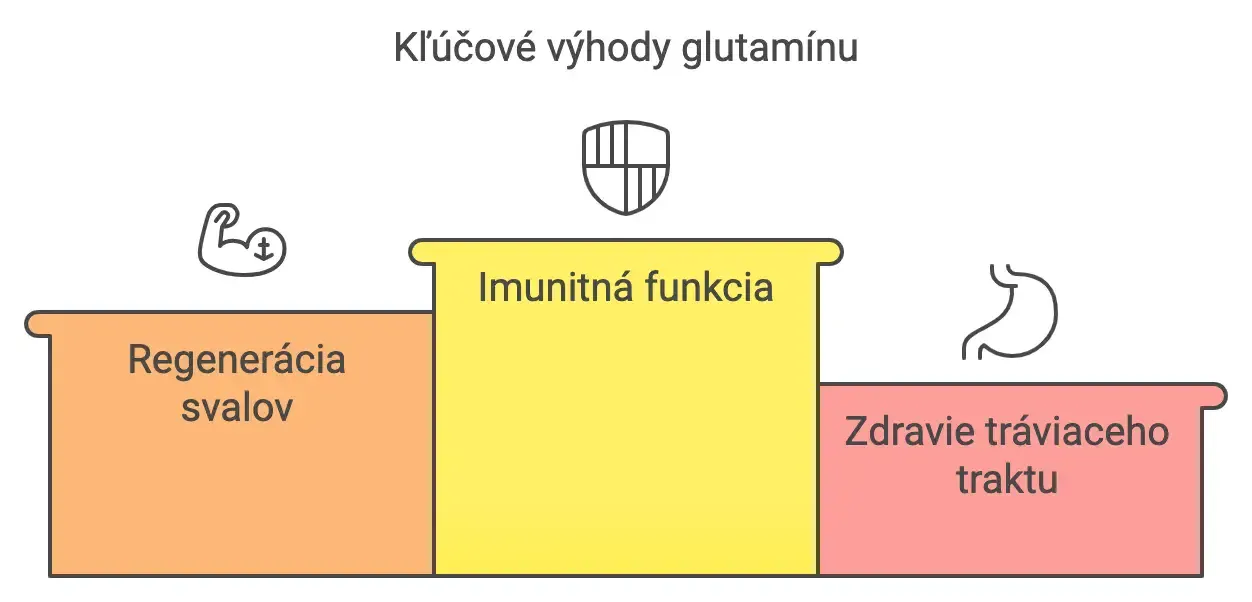
The main benefits of glutamine include:
Improving immune function,
Accelerating muscle recovery,
Supporting digestive tract health.
Glutamine supplementation can be beneficial for athletes who engage in intense training and are looking for ways to improve performance and mitigate fatigue. Another significant advantage is its role in protein synthesis, which can contribute to muscle mass growth. All this underscores why scientists and nutrition experts recommend glutamine as a dietary supplement for participants in sports disciplines.
Side Effects and How to Avoid Them
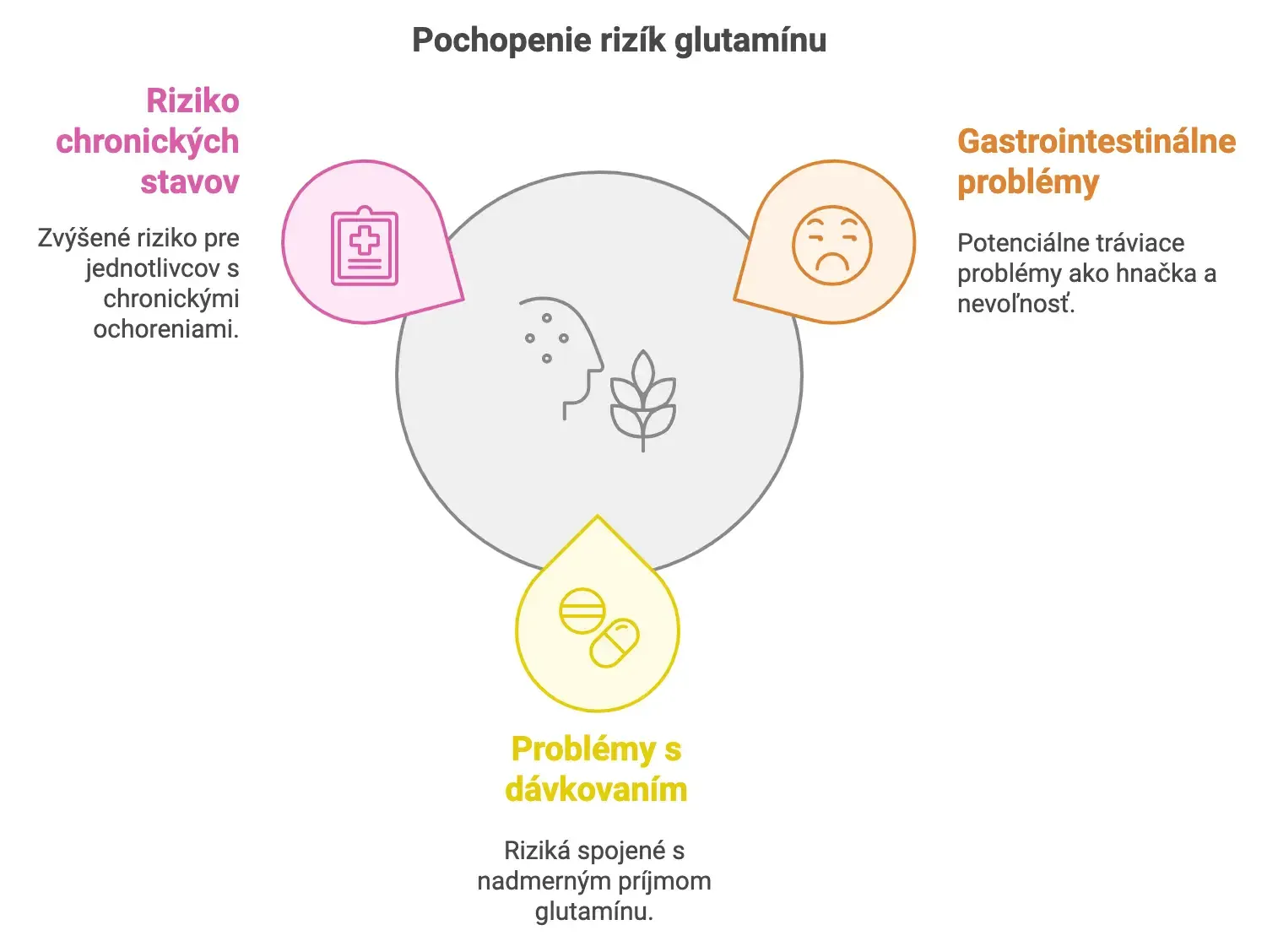
We have already clarified what glutamine is. However, despite its many benefits, glutamine may not be risk-free for everyone. Here are some of the side effects of L-glutamine:
Gastrointestinal issues, such as diarrhea and nausea,
Potential digestive problems with excessive dosing,
Risks for individuals with chronic illnesses.
To avoid unpleasant issues, it is recommended to take glutamine within professionally established dosages. Before starting supplementation, it is always recommended to consult with an expert, especially for individuals suffering from chronic illnesses.
Glutamine Dosage and Proper Usage
The recommended daily dosage of glutamine ranges from 5 to 10 grams, which is an amount safe for most adults. Some studies show that even a short-term higher dose of glutamine in healthy athletes does not cause adverse effects. However, as mentioned above, L-glutamine dosage should be consulted with, for example, a nutritionist or a doctor.
L-Glutamine in Food:
Glutamine in food is mainly found in products of animal origin. Some rich sources include:
Meat – beef, chicken, turkey
Fish – salmon, cod
Dairy products – milk, cheese, curd (cottage cheese), yogurt
Eggs – high protein content and thus also L-glutamine
Plant-based sources – spinach, cabbage, beans, lentils, tofu
It is optimal to take L-glutamine after physical activity or in the evening before bedtime, as these are the times when the body most needs support for regeneration.
Conclusion
Currently, glutamine is known as an important supplement for athletes and individuals with high physical stress. Correct glutamine dosage and taking it at the right intervals can significantly contribute to improved sports performance and overall health. If you decide to include glutamine in your diet, definitely consult with a nutrition expert or doctor to ensure maximum benefits without adverse effects.
Sources:
Street, B., Byrne, C., & Eston, R. (2011). Suplementácia glutamínu pri zotavovaní sa z excentrického cvičenia zmierňuje stratu sily a bolesť svalov. Journal of Exercise Science and Fitness , 9(2), 116–122.https://doi.org/10.1016/s1728-869x(12)60007-0
Gleeson, M. (2008). Dávkovanie a účinnosť suplementácie glutamínu pri ľudskom cvičení a športovom tréningu. The Journal of Nutrition , 138(10), 2045S-2049S. https://doi.org/10.1093/jn/138.10.2045s
Neu, J., Shenoy, V., & Chakrabarti, R. (1996). Výživa a metabolizmus glutamínu: kam ideme? FASEB Journal: Official Publication of the Federation of American Societies for Experimental Biology , 10(8), 829-837. https://doi.org/10.1096/fasebj.10.8.8666159