


No one wants to grow old, even though we know it is a part of life. Rationally thinking people realize that none of us live forever, and therefore, they try to live healthily and avoid things that could shorten their lives. Most of us try to eat healthy foods, exercise, and avoid bad habits such as smoking or excessive alcohol consumption.
One of the main problems that can lead to premature death is obesity. Many do not realize this, but it is difficult to find someone who suffers from obesity and lives to a very old age. Obesity is not just about appearance; it is a serious health issue. The accumulation of fat in the body can trigger various health problems that indirectly reduce the quality and length of our lives. We may not feel the systemic inflammation that results from obesity, but it causes significant damage. Many serious diseases, such as those affecting the heart and brain, are closely linked to this inflammation and its negative impact on our health.
Aging is an inevitable process; however, its pace can be influenced by lifestyle habits. You can take measures to delay the effects of aging, meaning your biological age can differ from your chronological age. While healthy habits, such as a balanced diet and nutritional supplements, can help maintain health, bad habits like smoking and a sedentary lifestyle can significantly accelerate the aging process. This is exactly why increasing attention is being paid to natural anti-aging methods that can help maintain a youthful appearance and vitality for longer. In recent years, anti-aging supplements have emerged and become particularly popular among people over 40. The question remains whether these supplements actually work and prolong life, as is often claimed.

Caloric Restriction and Nutrition
As mentioned, the only currently accepted method of maximizing longevity is caloric restriction. There is a theory that reducing caloric intake can prolong life, but so far, this has only been demonstrated in animals. There is no human research to confirm this yet. The only way to prove it would be to follow people from birth to death, which is very difficult and expensive.
Nevertheless, there are groups of people who voluntarily choose to eat less to mimic the dietary regimens from animal studies. Early results have shown that these people have better health markers, such as lower weight, less insulin in the blood, or lower blood pressure. The main advantage of fasting, including intermittent fasting, is that it activates autophagy and allows the body to "reset" itself, including its immune response.
On the other hand, they look very emaciated, without developed muscles, because they eat little and their hormones drop to low levels. They are also often cold because thyroid hormones, which regulate temperature, are at low levels. These people risk strict diets with the hope of living longer. However, many experts say that the life extension from food restriction might only be around 7 years, which is similar to what we get from regular exercise, a healthy diet, and maintaining a normal weight. So, in reality, undertaking these strict restrictions can seem like self-harm with no real guarantee of a longer life.
Reducing caloric intake can bring some protective benefits, especially as we age. One of the most effective approaches is to match your daily calorie intake to your level of physical activity. Simply put, if you are less active, you should also eat less.
As we age, reducing calories has certain benefits. The first benefit is that it helps maintain muscle mass. A reduced caloric intake has another advantage – it contributes to the protection of mitochondria, which are the energy powerhouses of the cells. With age, there is a loss of mitochondria, which is considered one of the main factors of aging, especially in active muscles. You do not have to worry about extreme diets, as such approaches are often exaggerated. It is enough to adjust the amount of calories you consume to your activity level, and you can gain significant anti-aging benefits without the need for extreme dietary restrictions.
After forty, a person should think about how much protein they consume. This is because proteins contain amino acids that activate a certain substance in our body called mTOR. This substance is important for building muscles, but with age, it can become too active and cause health and aging problems. Activation of mTOR blocks a process called autophagy, which involves the removal of old cells, essential for cellular health and longevity.
Some scientists believe that it is not protein per se that impairs longevity, but rather one specific amino acid, methionine. In short: Scientists say that methionine, an important amino acid, can affect aging, but glycine can mitigate these effects. With this tip alone, we have probably added about 10 years to your lifespan. You're welcome!
Another way to mitigate the aging effects of protein intake is to activate another protein called AMPK, which is the "yang" to the "yin" of mTOR. Briefly, it works in the opposite way to mTOR.
With age, the balance between AMPK and mTOR is disrupted, which can lead to various symptoms and diseases related to aging, increasing the need to activate AMPK, for example, through exercise and natural substances such as resveratrol, curcumin, ginseng (not recommended as it lowers testosterone), berberine, EGCG from green tea, and quercetin.
Nutritional Supplements
Although caloric restriction can have certain benefits, only highly disciplined individuals are able to adhere to it long enough to achieve these effects. In bodybuilders preparing for competitions, this approach involves a significant reduction in calories, which can result in side effects such as irritability and muscle mass loss, along with a drop in important hormonal levels.
Therefore, it seems that long-term and practical adherence to caloric restriction is neither sustainable nor effective as a life-extension strategy for most people. This is where nutritional supplements or medications come into play:
Rapamycin: This is a drug that can help people live longer. It is typically used to prevent the rejection of transplanted organs, such as kidneys, because it suppresses the immune system. Rapamycin works by affecting something in the body called mTOR. This process can help prolong life because when mTOR is inhibited (or doesn't work), the body starts to clear out old and damaged cells. In this way, inflammation in the body is reduced, which can lead to its rejuvenation. Animal studies suggest that rapamycin can extend lifespan. Preliminary results indicate that it can extend life by an average of three years, which would correspond to approximately ten years in humans. Side effects of rapamycin include cataracts, infections, and insulin resistance. Scientists are trying to develop new drugs, known as "Rapalogs," which would have a similar effect on mTOR as rapamycin, but with less severe side effects. It is important to note that no drug will be completely without side effects, because even without side effects, it would likely have no benefits.
Metformin: This is a medication, currently the most commonly prescribed drug for insulin resistance - a condition where the body cannot use insulin properly. Recent research has indicated that it also affects cellular processes, which can help improve health and slow down aging. Studies have shown that diabetics who take metformin can live longer and have a lower risk of serious diseases, such as heart disease and cancer. There are also other positive effects of metformin, such as its benefits for gut health. Although it is mostly safe, it can have side effects like minor digestive issues and lowering vitamin B12 levels, which can be easily managed by taking supplements. Individuals on a strict diet should know that metformin can also lower testosterone levels and negatively affect the positive effects of exercise if taken right before a workout.
Glucosamine: A popular dietary supplement that can help extend life. It lowers blood sugar levels and activates a certain cellular function. It also supports the creation of new energy-producing cells. Human studies have shown that regular intake of glucosamine can reduce mortality and the risk of lung and colon cancer.
Spermidine: A substance that the body can produce, which is also found in certain foods such as wheat germ, soybeans, and aged cheese. Much research suggests that it can help extend life by promoting a process that removes damaged cells and nourishes healthy ones. With age, however, its levels in the body decline. By eating foods rich in spermidine, we can replenish these levels and slow down the aging process. Older people with higher levels of this substance look younger and can even be 5.7 years younger in their biological age compared to those with lower spermidine levels.
Alpha-ketoglutarate (AKG): A substance that is said to be able to extend lifespan. It is a compound that helps create energy in the body. It has been found to extend life, especially in women, and improve the health of both sexes. With age, AKG levels in the body decrease, which can contribute to aging-related problems, such as increased inflammation. There are indications that AKG can help mitigate some of these negative effects, as well as suppress substances released by old or damaged cells that contribute to the aging process.
Nitric Oxide (NO) Supplements: These are popular because they help improve blood flow to the muscles and reduce fatigue during exercise. Nitric oxide causes blood vessels to widen, which increases oxygen delivery to the muscles and creates a "pump" sensation. However, you can also get it from food, especially from vegetables high in nitrates, such as beetroot and spinach. These nitrates are converted into nitrites in the digestive tract, which then turn into nitric oxide. Besides improving blood flow, nitric oxide also has a positive impact on the release of a certain protein that supports mitochondrial growth. The loss of mitochondria is associated with aging, especially in muscles. It is important to note that positive effects are seen at small doses, as higher doses could be dangerous and cause serious health problems.
Genetics has traditionally determined our predispositions to various health conditions, such as obesity, based on family history. However, more recent research suggests that our genetic predisposition is not immutable and that we can influence it through lifestyle choices, such as diet and exercise. Epigenetic changes can also affect the aging process, opening up possibilities to slow down or even reverse its effects. Even though this might sound fantastic, there is already early evidence of these effects in humans.
Genetics and Epigenetic Aging
Scientists can now measure the health of our cells by tracking DNA methylation. Methylation is a process in which methyl groups are added to genes. Generally, when genes are methylated, they are "turned off," which could slow down or even reverse the aging process. Although we do not yet know all the details, the mere fact that aging could be at least partially reversed is fascinating. If successful, it could also reduce the risk of serious age-related diseases.
DNA methylation specifically targets the addition of methyls to certain sites on the chromosomes. Methylation is the most researched form of epigenetic control. There are various ways to measure this methylation, including so-called "clocks," such as Horvath's clock. These methods can accurately determine the biological age of cells.
Interestingly, not all cells age at the same rate. For example, while the heart may be relatively young, the kidneys might be older. Various factors, such as telomere length, influence why we age differently in different parts of the body. We have many sites in our DNA where methylation groups can be added, but only a few thousand of them are correlated with our age. For our health, it is crucial that methylation is balanced—if there is too much or too little, various problems can arise. Too much methylation can block genes that protect against cancer, while too little can promote genes causing inflammation. We can monitor these effects through saliva analysis.
The Lifestyle Intervention Study
A recent study has shown new evidence regarding the possible reversal of age. The study involved 43 men aged 50 to 72 who underwent a two-month program aimed at improving their diet, exercise, and lifestyle. The goal was to reduce epigenetic aging.
Diet: Their diet was predominantly plant-based and contained nutrients that could influence bodily processes, such as folate and betaine, which provide methyl groups. They also included vitamins and substances that support DNA health. The diet was not entirely vegetarian; it also included high-quality animal proteins, such as liver and eggs. They restricted carbohydrates because excess carbs can accelerate aging. The program also incorporated intermittent fasting to support metabolism and nutritional supplements with probiotics.
Exercise and Aging: The program further included exercising for at least 30 minutes, 5 days a week, at moderate to high intensity. Exercise slows down aging and lowers the levels of homocysteine, which can be harmful. However, excessive exercise can have the opposite effect, accelerating aging and damaging cells. While adequate exercise promotes health and a longer life, an excess of it can have negative effects.
Stress and Breathing: The program included breathing exercises twice a day, which help induce the "relaxation response." This response significantly reduces stress, which can lead to DNA damage. The study showed that 20 minutes of breathing twice a day for 60 days reduces age-related DNA damage, which is associated with a reduction in the levels of cortisol, the stress hormone. Thus, stress and aging are closely linked.
Sleep and Aging: Getting enough sleep, ideally around 7 hours per night, is important for health and can affect the aging process. The study showed that sleep deprivation, especially in women, can lead to faster aging and increases the risk of health problems such as obesity, diabetes, and heart disease.
Within this recent study, participants of the 8-week program demonstrated improvements that corresponded to a decrease in biological age of 3.23 years. The biggest changes involved the reduction of triglycerides, total cholesterol, and LDL cholesterol levels.

Precise Tips for Slowing Down Aging or Extending Your Life
This is the precise program that led to a biological age reduction of nearly 3 years in human trials. The listed quantities are to be consumed or performed per week:
3 portions of liver (preferably organic).
5 to 10 eggs (preferably free-range, organic, enriched with omega-3s).
Daily Requirements:
2 cups of dark leafy greens.
2 cups of cruciferous vegetables (broccoli, cabbage, cauliflower, Brussels sprouts, arugula, kale, mustard greens, kohlrabi, radish).
3 cups of colorful vegetables (of your choice, excluding white potatoes and corn).
1–2 medium-sized beetroots (source of nitrates).
4 tablespoons or 1/4 cup of pumpkin seeds or pumpkin seed butter.
4 tablespoons of sunflower seeds or sunflower butter.
1 or more servings of methylation adaptogens:
1/2 cup of berries.
1/2 teaspoon of rosemary.
1/2 teaspoon of turmeric.
2 medium garlic cloves.
2 cups of green tea.
3 cups of oolong tea (steeped for 10 minutes).
170g (6 oz) of animal protein (preferably grass-fed, organic, hormone- and antibiotic-free).
2 servings of low-glycemic fruit (e.g., cherries, grapefruit, strawberries).
General Guidelines:
Prioritize organic food over conventional whenever possible.
Stay hydrated; do not restrict fluid intake.
Do not eat between 7:00 PM and 7:00 AM.
Dietary Fats and Supplements
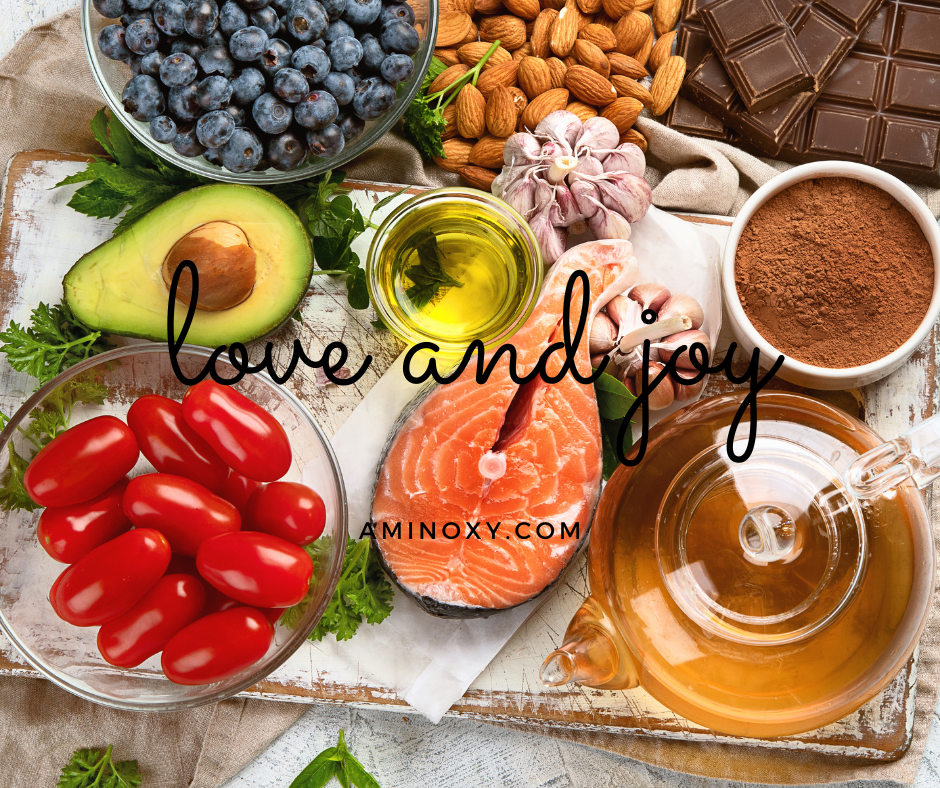
Healthy oils, such as coconut oil and extra virgin olive oil, are important for your diet. Olive oil has a positive effect that can help combat aging. If you do not consume fish, a high-quality fish oil supplement is recommended, which can reduce stress and inflammation levels. It is best to avoid added sugars, especially processed ones like candy.
Other permitted supplements include:
Vitamin D: Up to 6,000 units daily.
Fish oil.
Vitamin C: Up to 1,000 milligrams daily.
Vitamin E: Up to 400 units daily.
Note: A deficiency in Vitamin E causes muscle cell membrane breakdown, leading to muscle loss, which is a risk as we age.
Physical Activity and Lifestyle
Exercise: Include at least 30 minutes of exercise every day, at least 5 days a week, with an intensity of 60% to 80% of your maximum heart rate.
Sleep: Always get at least 7 hours of sleep, but no more than 9. Too much sleep negates the health benefits of rest.
Stress Management: Perform breathing exercises to manage stress.
Habits: Avoid recreational drugs, including marijuana, and avoid negative habits like smoking and excessive alcohol consumption, although two glasses of red wine are fine.
Conclusion
Always keep in mind that the human body evolved to move; without activity, it will fall apart, just as a machine rusts and breaks down due to lack of use.
The aging process is an inevitable part of life, but science offers us new possibilities to fight it. While many current solutions - such as supplements or various "anti-aging" products - do not always yield the expected results, groundbreaking discoveries in the field of epigenetics bring hope. Recent studies focused on DNA methylation have shown that it is possible to achieve a certain degree of rejuvenation, even if currently only in the range of 1–3 years. This modest beginning, however, may be a harbinger of more significant progress in the fight against aging and associated diseases. The key to a longer and higher-quality life remains a combination of a healthy lifestyle and staying informed about new scientific knowledge in this field.