

Depression: Its Prevalence and Causes
Depression is perhaps the most common mental illness, affecting approximately 3 to 10% of the global population. Individuals with chronic health conditions exhibit an even higher rate of depression, ranging from 22 to 46%. In Europe, depression is the leading cause of disability or the inability to function normally in daily life for people aged 15 to 44. Although we know that depression is a widespread disorder, its exact causes are still a subject of debate among medical researchers.
In 1965, scientists came up with the first significant explanation of how depression develops. It all started when they noticed that some patients taking high blood pressure medication began to experience symptoms of depression. This observation led them to the theory that depression may be related to a deficiency of certain chemicals in the brain - specifically three important substances:
Serotonin: Which affects mood.
Norepinephrine: Which is related to energy and attention.
Dopamine: Which is involved in feelings of happiness and reward.

The Complex Causes of Depression
These substances are called monoamines and act as messengers that transmit signals between nerve cells in the brain. When there is a shortage of these substances, communication in the brain slows down, which can lead to depressive symptoms such as sadness, fatigue, or a loss of interest in normal activities.
Although this explanation sounded logical, over time it became clear that the causes of depression are much more complex. Today we know that in addition to chemical processes in the brain, depression can also be caused by other factors, such as genetics, stressful life events, trauma, or even lifestyle. Therefore, multiple approaches are often combined in the treatment of depression, not just medications to adjust the levels of these chemicals in the brain.
The Role of Glutamate and NMDA Receptors
Scientists have discovered that serotonin is not solely responsible for depression, as was long assumed. A substance called glutamate, which is naturally produced in the brain, also plays a significant role.
The problem arises when glutamate begins to accumulate and overactivates NMDA receptors (which act like "locks" on nerve cells that respond to specific chemical "keys" and are involved in transmitting signals between nerve cells). Interestingly, a similar accumulation of glutamate also occurs during a stroke, where it causes damage to brain tissue - this indicates its significant impact on brain function.
Pharmaceutical companies are developing new drugs that would block the interaction of glutamate with NMDA receptors. These medications could work much faster than current antidepressants, which typically take 4 to 6 weeks to show an effect. However, recent research has shown that even traditional antidepressants (known as SSRIs) can affect brain connections in as little as three hours, even though most patients need several weeks to actually feel an improvement.
Inflammation and Oxidative Stress
Research points to a more complex picture where inflammatory processes in the brain play a significant role. Scientists have found that an overproduction of inflammatory factors in brain tissue can be a key trigger for depressive states. This inflammatory process subsequently leads to increased oxidative stress, which disrupts the natural production of neurotransmitters.
An interesting finding is the effect of the well-known antidepressant Prozac, which, in addition to its primary effect, has been shown to reduce levels of interleukin-6, an important inflammatory mediator whose elevated levels are regularly observed in patients with depression.
Thus, antidepressants may achieve their therapeutic effects not only by influencing neurotransmitter levels but also due to their antioxidant properties. This represents a new perspective on their mechanism of action and opens up possibilities for developing more targeted therapeutic approaches in the treatment of depression.
Chronic Stress and Cortisol
Chronic stress can also lead to depression because it increases the production of cortisol, an adrenal steroid hormone known to induce depression.
Ultimately, uncontrolled stress can lead to cortisol levels in the brain that selectively destroy neurons in the hypothalamic region of the brain (Note: While the text mentions the hypothalamus, learning and memory are medically primarily associated with the hippocampus, which is highly vulnerable to cortisol). This region is associated not only with learning and memory but also with mitigating depressive states. Several studies have shown that people diagnosed with depression exhibit elevated levels of brain cortisol.
BDNF (Brain-Derived Neurotrophic Factor)
BDNF is a protein that acts as an important growth factor in the brain.
The Impact of Stress on BDNF:
At high stress levels, there is a decrease in Brain-Derived Neurotrophic Factor (BDNF).
BDNF is a crucial chemical needed for the repair of brain tissue.
A similar decrease in BDNF is also observed in depression.
The Importance of BDNF for the Brain:
BDNF plays a critical role in the maintenance and repair of neurons.
It is essential for healthy brain function.
Low levels of BDNF increase susceptibility to depression.
The Positive Impact of Exercise:
Aerobic exercise has been shown to increase BDNF levels.
Regular exercise reduces the risk of degenerative brain diseases.
It has a preventive effect against Alzheimer's disease.
The Role of Nutrition:
Omega-3 fatty acids support the production of BDNF.
They are mainly found in:
Fish oil
Fatty fish
They work synergistically with exercise for optimal BDNF production.
Preventive Measures:
A combination of regular exercise and proper nutrition.
Stress management to maintain healthy BDNF levels.
A balanced lifestyle to support brain health.
Traditional Antidepressants and the Placebo Effect
Common medical treatments for depression involve the use of various pharmacological antidepressants, the most famous of which is Prozac. Most of these medications work by altering the levels of serotonin, dopamine, and norepinephrine in the brain.
But they are not perfect. They come with a long list of side effects, which include:
Nausea and increased appetite
Weight gain
Decreased sexual desire and impotence
Fatigue, drowsiness, and insomnia
Dry mouth, blurred vision, and constipation
Anxiety and dizziness
Furthermore, it takes time for the therapeutic effects to manifest - if they manifest at all. For most antidepressants, it typically takes at least 4 to 6 weeks before any positive changes are noticed. In some patients, there is no effect at all.
This has led some doctors to even suggest that antidepressants actually do nothing at all and that any noted benefit can simply be attributed to the placebo effect. This means that if a patient believes the medication will work, it often does simply because of the power of belief.
The Overlooked Role of Diet and Nutrients in Depression
What is often overlooked in the treatment of depression is the impact of diet and nutrients.
Since the primary brain chemicals believed to cause depression (when their levels are low) are manufactured from nutrients found in food, it makes logical sense that food and nutrients would likely have beneficial effects in treating depression. In fact, as we will soon discover, in many cases medications used to treat depression work much better and can be used in lower doses if they are accompanied by the intake of certain foods and nutrients.
Below are the nutrients and foods that can alleviate and prevent depression, minus the side effects of medications used for the same purpose.
L-Tryptophan
L-Tryptophan is an essential amino acid found in most protein-containing foods.
Tryptophan is important because it is a precursor, or the raw material, for the synthesis of vital substances in the body such as melatonin, serotonin, and the B-complex vitamin niacin.
Serotonin and Antidepressants: Serotonin is a brain neurotransmitter that, when low, causes depression. Several antidepressants work by preventing the reuptake of serotonin, allowing it to remain active in the brain for a longer period.
Interesting Fact: Several hallucinogenic drugs, such as LSD, also produce their effects by altering serotonin metabolism.
The Impact of Deficiency: When people who already suffer from major depression are put on a tryptophan-free diet, their depression worsens even further. Depressed patients typically exhibit lower levels of tryptophan and also show a higher rate of suicide.

A recent meta-analysis or review of 108 previous studies concluded that tryptophan supplementation improves symptoms of depression.
However, due to the rapid conversion of tryptophan into serotonin, drowsiness may occur. This is the reason why tryptophan is also recommended as a sleep aid. As such, it is probably best taken before bedtime at a dose of approximately 1,000 to 2,000 milligrams, with the latter dose being more specific for the treatment of depression.
About 25 years ago, contaminated batches of tryptophan imported from Japan caused a serious illness, which led to the withdrawal of tryptophan from the market. However, it was later discovered that the problem was caused by an impurity during the processing of tryptophan, and tryptophan itself was never actually the root of the problem. Current versions of tryptophan are completely safe.
Vitamin C
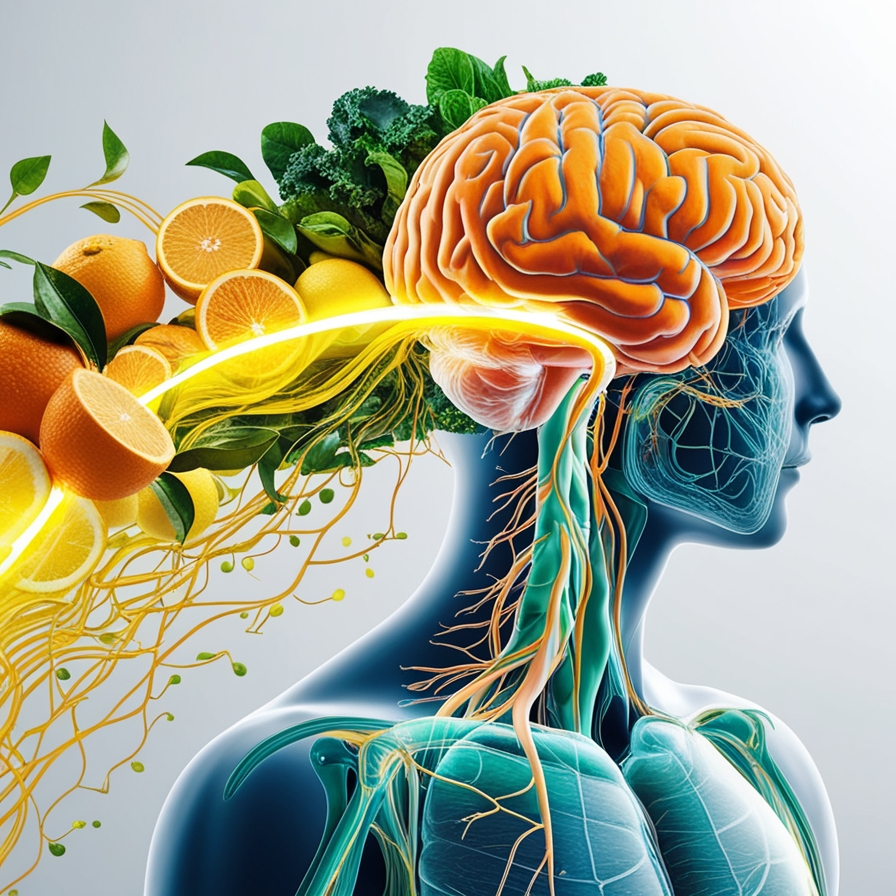
Vitamin C, also known as ascorbic acid, is a water-soluble vitamin found in many fresh fruits and vegetables.
The primary role of Vitamin C is to act as a powerful antioxidant and a chemical reducing agent. One example of the latter is Vitamin C's ability to convert the less effective iron found in vegetables into the more effective heme iron, which is naturally found in meat.
In terms of preventing and treating depression, Vitamin C is important because it is involved in the conversion of dopamine into norepinephrine - two brain neurotransmitters ("messengers of happiness") that are deficient in people with depression. Vitamin C also acts as a modulator of dopamine and glutamate neurotransmitters.
Several studies involving large intravenous administrations of Vitamin C, as well as animal studies, have shown that Vitamin C exhibits depression-reducing effects.
Simply put, Vitamin C functions as a "traffic controller" in brain cells - it supports necessary communication while simultaneously preventing excessive activity that could be harmful.
Although many people consume massive doses of Vitamin C, studies show that the blood saturation dose is only 200 milligrams. This means that if you take more than this amount, the majority is quickly excreted from the body.
Folic Acid (Vitamin B9)
The primary dietary sources of folic acid are various types of vegetables and liver. Folic acid is considered a B-complex vitamin.
Interestingly, the supplemental form of folic acid is actually more easily absorbed than the natural form found in foods. Folic acid is involved in one-carbon metabolism, which means it plays an important role in many vital brain functions. These include the synthesis of serotonin, melatonin, and catecholamines (adrenaline, norepinephrine, dopamine).
The Link to Depression: A deficiency in folic acid is a common finding in people who do not respond to conventional antidepressant treatments. Low levels of folic acid are associated with more severe forms of depression.
Homocysteine Reduction: Folic acid helps the body reduce the amount of a harmful substance called homocysteine, which is produced during protein processing - specifically during the digestion of the amino acid methionine, which we get from our diet. The problem arises when homocysteine accumulates in the body in higher amounts. Approximately one-quarter to one-third of people with depression have elevated homocysteine levels, which can contribute to brain issues and worsen symptoms of depression. This is exactly why an adequate intake of folic acid is crucial for brain health.
Key Takeaways on Folic Acid and Depression:
Enhanced Antidepressant Effect: Folic acid is not just an ordinary vitamin - it can improve mood in anyone, and when combined with antidepressants, it significantly increases their effectiveness. Some studies even show that in high doses, it can work better than antidepressants alone.
L-Methylfolate for Poor Converters: Some people have a metabolic issue converting standard folic acid into its active form in the body, which can lead to depression. For these individuals, a special, pre-activated form of folic acid (L-methylfolate) is available as a dietary supplement.
Daily Requirements: For most people, the best solution is to consume plenty of vegetables that naturally contain folic acid. The daily requirement is 800 to 1,000 micrograms, which is not difficult to achieve with a varied diet.

Other B-Complex Vitamins
Vitamin B12: This vitamin works together with folic acid in the production of red blood cells. One study found an inverse relationship between B12 and depression in both female smokers and physically active women. Another study found that people with a deficiency in this vitamin had a 70% higher probability of developing depression.
Serum or blood levels of B12 are linked to melancholic depression, a type characterized by extreme sadness and the one most strongly associated with suicide.
Those most susceptible to B12 deficiency are vegans, as B12 is only found in animal protein foods. Since B12 is stored in the body, the likelihood of a deficiency in those who consume a high-protein diet is low. A good supplemental dose for vegans or those who may have low levels of the vitamin is 1,000 micrograms per day.
Vitamin B2 (Riboflavin): This vitamin is involved with enzymes that activate folic acid.
Vitamin B3 (Niacin): Niacin helps protect tryptophan in the body, which is an important building block for the production of serotonin - the "happiness hormone." When we take niacin in higher doses, it slows down the breakdown of tryptophan in the body, allowing more serotonin to be produced in the brain. This is important for preventing depression, as serotonin deficiency is often linked to depressive states.
Vitamin B6: Vitamin B6 is also involved in the breakdown of homocysteine, and low levels of this vitamin are associated with depression. A recent study of 60 depressed patients who were given a B-complex vitamin for 30 or 60 days demonstrated improvements in both depression and anxiety.
Fat-Soluble Vitamins
Vitamin E While Vitamin E is often considered a single vitamin, it is actually a complex of 8 vitamins: 4 tocopherols and 4 tocotrienols. The main food sources of Vitamin E are vegetable oils, almonds, and sunflower seeds. While Vitamin C is the main water-soluble antioxidant, Vitamin E is the primary fat-soluble antioxidant, concentrating in the cell membrane where it provides protection to the fat cell membrane.
Studies show that many older men with depression exhibit low levels of Vitamin E, and it appears that consuming Vitamin E offers protective effects against depression. Some researchers suggest that Vitamin E may offer an optimized treatment for depression when used in conjunction with antidepressants. A good supplemental dose is 400-800 units per day.
Vitamin D Most of the Vitamin D in the body is obtained through ultraviolet light or sunlight, as food provides little to none of this nutrient.
Hormonal Conversion: Vitamin D is not just an ordinary vitamin - it converts into a hormone in the body, and not only in the kidneys and liver as originally thought, but also directly in the brain. This is important because the brain has special receptors that respond specifically to this hormonal form of Vitamin D.
Impact on Mood: In the brain, this "hormone D" helps regulate various neurotransmitters, which has a positive impact on mood and mental health. Research shows that it is even more effective in treating seasonal depression than classic light therapy.
Dosage: For people suffering from depression, taking Vitamin D can be highly beneficial - higher doses of Vitamin D typically alleviate symptoms of depression. The recommended daily dose for optimal effect is 2,000 units in the form of a dietary supplement.
Do Minerals Help Against Depression?
The trace mineral zinc is widely distributed in the central nervous system and the brain. Most minerals function as enzyme activators, and zinc is no exception. It activates no less than 300 enzymes in the body. The best food sources include oysters, seafood, meat, and eggs. Zinc is also involved in turning genes on or off, and in this sense, it plays a role in over 2,000 transcription factors (gene control factors).
Animal studies show that zinc is an effective antidepressant because it acts in the brain. When zinc is administered alongside common antidepressants, it allows the medications to be effective at lower doses. Zinc itself acts as an antidepressant by promoting the release of serotonin and blocking NMDA receptors in the brain (which are activated by glutamate).
Human studies show that those exhibiting symptoms of clinical depression also exhibit low levels of zinc. The lower the zinc level, the greater the severity of the depression. In patients who are resistant to the effects of antidepressants, the addition of 25 milligrams of zinc per day improves the efficacy of the medications. However, again, while optimal levels of zinc are good for the brain and help offset depression, too much can be dangerous to your health. Therefore, zinc intake from various sources, whether from food or supplements, should not exceed 50 milligrams per day.
Magnesium Magnesium, like zinc, also activates about 300 enzymes in the body. The best food sources are leafy greens, almonds, cashews, pecans, dark chocolate, and whole grains. The optimal intake of magnesium is slightly higher, about 6 milligrams per kilogram of body weight. Thus, a man weighing 90 kilograms should consume at least 540 milligrams of magnesium.
This requirement increases under certain conditions, including consuming a diet higher in protein and fat, as well as exercising. Stress also promotes the excretion of magnesium, thereby increasing the need for the mineral. A more optimal level for an active person consuming a higher-protein diet would be about 800 milligrams per day in divided doses. In supplement form, no single dose of magnesium should exceed 300 milligrams, as more than that will cause diarrhea.
Low Magnesium and Depression:
Inflammation and Stress: Low magnesium intake causes inflammation and oxidative stress in the body. These factors are known components of depression. Because of this, people with depression often have low levels of magnesium.
Magnesium and Antidepressant Treatment: Patients who respond better to antidepressants have higher magnesium levels. Plus, there is a synergistic (mutually supportive) relationship between magnesium and antidepressants, meaning that magnesium can enhance the effectiveness of the medication.
Mechanism of Action: Magnesium affects key neurotransmitters associated with depression: serotonin, norepinephrine, and dopamine (the "messengers of happiness"). It also acts on glutamate and NMDA receptors. Through these effects, it intervenes in all known causes of depression.
Chromium Chromium is a trace mineral that plays a key role in insulin metabolism and diabetes prevention. Although it is not found in large amounts in many foods, significant sources include brewer's yeast, whole grains, liver, and meat.
Two 8-week studies with depressed patients yielded interesting results. In the first, a double-blind and placebo-controlled study, 75 patients received 600 micrograms of chromium daily. These patients exhibited a reduction in hunger, better appetite control, and lower carbohydrate consumption. The second study with the same dose demonstrated a significant decrease in depressive symptoms, which is attributed to a positive impact on serotonin production and increased insulin sensitivity. For the general treatment of depression, a daily dose of 50 to 200 micrograms of chromium is considered sufficient.
Selenium Selenium is a controversial trace mineral whose effects are the subject of conflicting studies - especially regarding prostate cancer, where research has yielded contradictory results. Despite this ambiguity, one thing is certain: selenium is a powerful antioxidant essential for human health. This knowledge was first confirmed in China, where residents of a certain province developed a heart disease caused by a selenium deficiency in the soil, and consequently in the food grown in it.
In the human body, selenium plays several key roles - it activates the important antioxidant enzyme glutathione peroxidase and is essential for the production of thyroid hormones. An underactive thyroid is exactly what can lead to depression. Paradoxically, an excessive intake of selenium can have the opposite effect, as it inhibits the synthesis of thyroid hormones. Natural sources of selenium include meat, eggs, and wheat, while Brazil nuts are considered an exceptionally rich source of this mineral.
Research confirms the positive impact of selenium on depressive states: in men, it has been shown to improve mood, and in women, a preventive effect against postpartum depression was confirmed. Furthermore, experiments on mice have shown that a special form of selenium stimulates the production of dopamine, leading to a significant antidepressant effect. For optimal body function, a daily intake of 200 micrograms of selenium is recommended.
Is Creatine an Antidepressant?
Creatine is a substance naturally produced in the human body - specifically in the liver, pancreas, and kidneys - where approximately 1 gram is synthesized daily (Note: The original text mentions 1 milligram, but scientifically, the human body typically produces about 1 to 2 grams per day). Its main role is to help cells replenish energy when they need it.
Currently, creatine is best known as one of the most well-researched sports supplements, delivering positive results to up to 80% of users. Moreover, recent research shows that in addition to supporting athletic performance, it can also help in the treatment of various neurological diseases. For those who prefer natural sources, creatine is found primarily in meat and, to a lesser extent, in fish.
Since creatine positively affects energy levels, it should come as no surprise that it appears to positively influence mood. Thus, it can help lift a person out of a depressive state.
Caution for Bipolar Disorder: On the other hand, it should not be taken by those suffering from bipolar disorder, which is characterized by mood swings ranging from deep depression to an abnormal elevation of mood, or mania.
Study on Depressed Women:
Method: 52 women took antidepressants along with either creatine (5g daily) or a placebo.
Duration: 8 weeks.
Positive Results: Women taking creatine had better results on depression tests.
Rapid Effect: Improvement was seen after just two weeks.
Added Benefit: Animal studies have shown that creatine can increase the effectiveness of antidepressants. This could lead to a reduction in medication dosages and, consequently, fewer side effects.
As for exactly how creatine positively affects depression, it seems to interact with brain receptors for serotonin, norepinephrine, and dopamine. It is this reaction with the dopamine receptor that can trigger mania in those who are bipolar.
Can Phytochemicals Alleviate Depression?
"Phyto" refers to substances derived from plants that can have significant health benefits for the human body. These plant chemicals, also called nutraceuticals, primarily include polyphenols.
Significant sources of polyphenols are green tea (which contains EGCG) and red wine (which contains resveratrol and quercetin), both of which positively affect brain neurotransmitters and help alleviate depression. Furthermore, green tea contains L-theanine, an amino acid with relaxing and antidepressant effects that can balance the stimulatory effects of caffeine at a dose of 300–400 milligrams.
Resveratrol Resveratrol is a polyphenol - a natural substance found primarily in red wine and grapes. In the brain, it helps maintain higher levels of natural mood-enhancing substances (serotonin and norepinephrine), thereby helping to alleviate depression. A safe daily dose ranges between 100–500 milligrams, at which no harmful effects have been observed. Although resveratrol is converted into other forms in the liver, recent research shows that the body can convert these forms back into the active substance, which is trans-resveratrol.
Curcumin Curcumin is a natural substance with significant protective effects on the brain. It helps prevent Alzheimer's disease and supports the production of substances responsible for a good mood (serotonin and dopamine). At the same time, it increases the level of a protein essential for brain health (BDNF), the deficiency of which can lead to depression.
The main disadvantage of curcumin is its poor absorption in the body. This problem can be partially solved by combining it with fats or black pepper - specifically, the substance piperine from black pepper can increase curcumin absorption up to 20-fold.

Of all the herbal and natural remedies for depression, the most famous is Hypericum perforatum, better known as St. John's Wort.
Studies comparing St. John's Wort with pharmaceutical drugs for treating depression show that St. John's Wort is equally effective. A Cochrane review of 29 studies and over 5,000 patients found that St. John's Wort is superior to a placebo in treating depression and exhibits less than half the side effects of medications used for the same purpose. The active ingredient in St. John's Wort is hyperforin. It is believed to work by increasing the levels of dopamine, serotonin, and norepinephrine in the brain.
Important Warnings and Interactions: However, it is necessary to be aware of important limitations:
Dangerous Combinations: St. John's Wort must not be combined with antidepressants due to the risk of serious complications. If you take St. John's Wort in conjunction with an antidepressant, there is a chance you could overdose on these medications due to accumulation in the body. This can lead to symptoms such as an increased risk of suicide and impotence.
Medication Efficacy: It can significantly affect the efficacy of many medications, including hormones and statins. (Note: Grapefruit juice also inhibits this same liver processing system).
Mental Health Contraindications: It increases symptoms of psychosis in patients with schizophrenia and can worsen the manic phase in bipolar disorder (due to the dopamine effect).
Photosensitivity: It is known to significantly increase sensitivity to ultraviolet light, so if you use it in the sun or before lying in a tanning bed, you can get severely burned.
Dosage: The recommended dose of St. John's Wort used for treating severe depression is 900 – 1,800 milligrams daily for 8 to 12 weeks, using a standardized extract containing 0.3% hypericin and 2.5% hyperforin.
Omega-3 Fats and Depression
Omega-3 fatty acids are vital for our body, but since the body cannot produce them on its own, we must obtain them through our diet. Although omega-3 is also found in plant sources (especially flaxseed oil), the best sources are fatty fish (salmon, herring, mackerel), because they contain the directly usable forms of EPA and DHA that our body needs.
Connection to Mental Health: A deficiency in omega-3 can lead to:
Depression
Alzheimer's disease
Other brain disorders
Scientific studies from 1998 onwards have confirmed that:
People who eat more fish have a lower incidence of depression.
Pregnant women who consume enough fish have a lower risk of postpartum depression.
The key finding is that omega-3 fatty acids are crucial for brain health and the prevention of depression, with their effect supported by scientific studies.
Dosage: Regarding the amount of omega-3 needed to offset the onset of depression, a good dose is about 2 grams per day, or up to 5 grams if you are already suffering from depression. You do not want to overdo it with omega-3 intake to prevent an imbalance between these and omega-6 fats. Alternatively, you could eat fatty fish at least 3 times a week.
Other Foods and Diets Affecting Depression
An increased intake of fried foods, refined grains, and high-sugar foods has been shown to cause depression in most people. It's no wonder why so many people take antidepressants! In contrast, a diet focused on vegetables, fruits, lean meats, and whole grains is associated with a lower incidence of depression.
Several specific foods are recommended that can help ward off or prevent depression. These include the following:
Saffron: A rare spice that, according to scientific studies, can have a positive impact on mental health. Research has shown that saffron can help prevent depression. In a comparative study with the antidepressant Prozac, saffron even demonstrated better results in treating depression.
Cocoa: Animal studies have found that polyphenols found in cocoa help prevent depression.
Coffee: Long-term research on over 50,000 European women showed that regular coffee drinking significantly reduces the risk of depression. Other studies confirmed that consuming up to 6 cups of coffee a day not only improves mood and thinking but also significantly reduces the risk of serious diseases - up to 60% for Alzheimer's disease and 40% for diabetes. This positive effect is explained by caffeine increasing the levels of dopamine and serotonin in the brain, which are essential substances for a good mood.
Garlic and Pomegranate: These exhibit antidepressant effects in animal studies, likely due to their antioxidant effects. Garlic also acts as an MAO inhibitor in the brain, thereby increasing the levels of various neurotransmitters that are low during depressive states.
Onion, Rosemary, and Oregano: These also show antidepressant effects in animal studies because they have the ability to favorably modulate brain neurotransmitters, which is the exact same mechanism as medications prescribed to treat depression.
Whey Protein: Thanks to its rich amino acid profile and rapid absorption, it can also be very helpful for people with depression.

Conclusion
Depression is one of the most common mental illnesses, which can be significantly influenced by proper nutrition.
A key role is played by omega-3 fatty acids, found primarily in fatty fish, which help maintain healthy cell membranes in the brain and reduce inflammation. Also important are B-complex vitamins, especially folic acid, and minerals such as zinc, magnesium, and selenium, which support the production and functioning of neurotransmitters in the brain.
Research shows that a diet rich in vegetables, fruits, whole grains, and lean meats reduces the risk of depression, whereas the consumption of refined sugars, fried foods, and trans fats can worsen depression. Interesting results have also emerged from studies involving foods like coffee, saffron, and green tea, which exhibit antidepressant effects.
For optimal mental health, it is recommended to consume at least 5 servings of fruits and vegetables per day and fatty fish at least 3 times a week.
Remember: These recommendations do not replace professional medical advice, but they can serve as supportive treatment or prevention.
Sources:
Bentley, S.M., et al. Major depression. Med Clin North Amer 2014;5:981-1005.
Giles, G.E. Omega-3 fatty acids influence mood in healthy and depressed individuals. Nutr Rev 2013;11:727-41.
Hurley, L.L., et al. Antidepressant-like effects of resveratrol in an animal model of depression. Behav Brain Res 2014;268:1-7.
Carr, A.C., et al. Mood improvement in young adult males following supplementation with gold kiwifruit, a high-vitamin C food. J Nutr Sci 2013;2:e24.
Owen, R.T. Folate augmentation of antidepressant response. Drugs Today 2013;49:791-8.
Spedding, S. Vitamin D and depression: A systematic review and meta-analysis comparing studies with and without biological flaws. Nutrients 2014;6:1501-18.
Lehto, S.M., et al. Serum zinc and the risk of depression in men: Observations from a 20-year follow-up study. Biol Psychiatry 2014; In press.
Serefko, A., et al. Magnesium in depression. Pharmacol Rep 2013;63:547-54.
Pasco, J.A., et al. Dietary selenium and major depression: A nested case-control study. Complement Ther Med 2012;20: 119-23.
Kale, P.P., et al. Potentiation of the antidepressant-like effects of duloxetine and bupropion by caffeine in mice. Pharmacol Biochem Behav 2014; In press.
https://www.appliedmetabolics.com/use-nutrition-diet-beat-depression-jerry-brainum/
http://bmjopen.bmj.com/content/4/9/e005878.abstract?sid=b582ac0b-c4f3-4932-b6a1-bd121bc7797b