


The gut microbiota plays a key role in the formation, functioning, and strengthening of the human immune system.
To better understand these mechanisms, it is important to distinguish between innate (non-specific) immunity and acquired (specific/adaptive) immunity. Microbes that colonize the gut shortly after birth play a crucial role in the development of immunity - especially lactobacilli and bifidobacteria, which are considered beneficial bacteria.
These bacteria not only support the development of the immune system, but also protect the gut and the entire body by occupying binding sites that are essential for the elimination of harmful antigens, thereby helping to prevent infections. Beneficial bacteria create a protective barrier on the surface of the mucosa, stimulate the production of antibodies, and activate cellular immunity to prevent pathogens from penetrating the body. The human immune system has the ability to recognize pathogens and determine whether they are harmful or not.
In our intestines lives an enormous number of different microorganisms that have a major impact on our health. These microorganisms outnumber the cells in our body by approximately 10 to 1 and contribute roughly two kilograms to our body weight. Together, they are referred to as the gut microbiome. In recent years, research into the microbiome has advanced significantly, revealing that its role is far more important than previously believed.
Simply put, these organisms help us not only with digestion and nutrition, but also support our immune defense system, which protects us against disease.
As much as 99% of immune responses are related to the communication between the microbiome and the immune system.
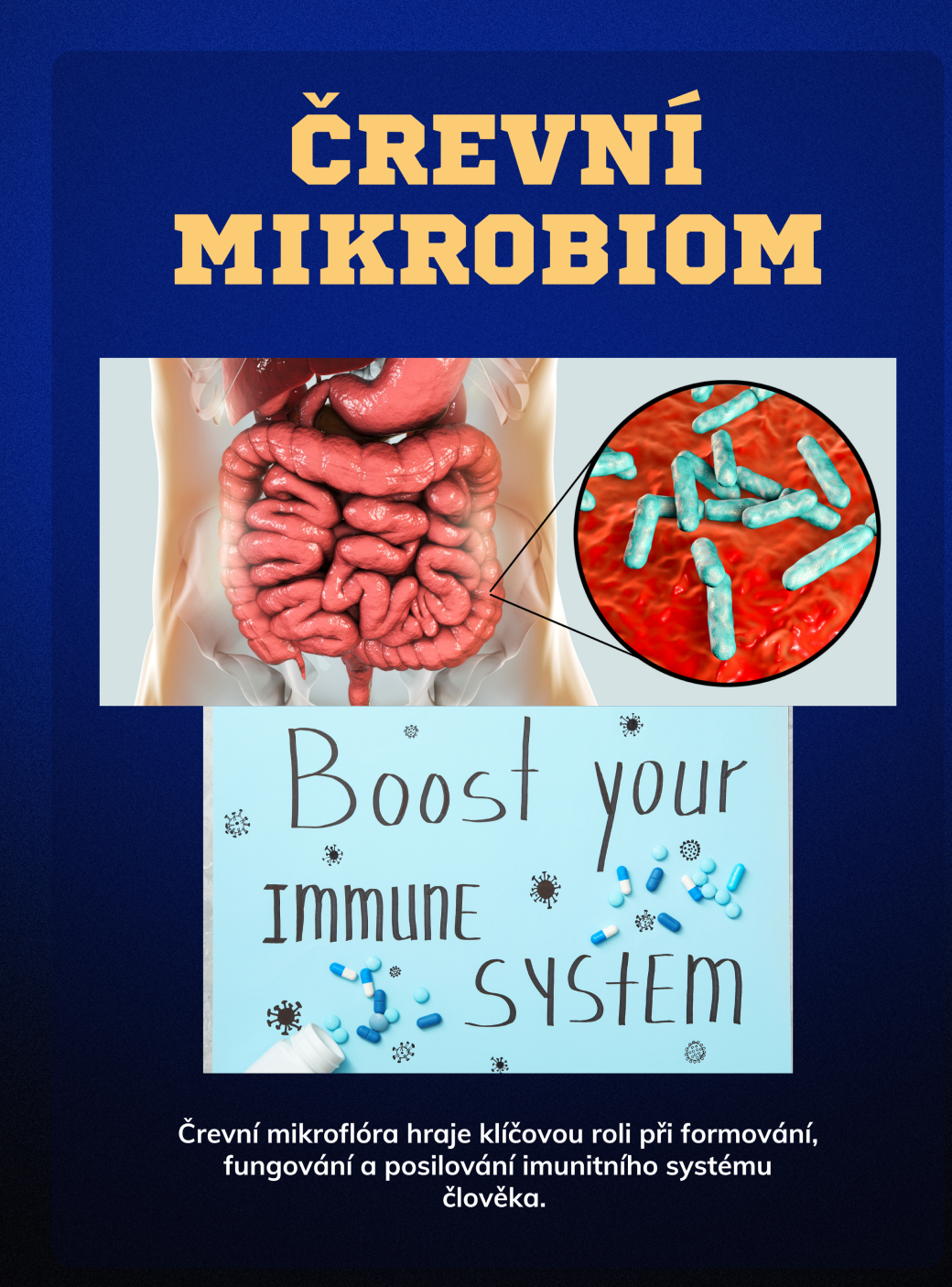
Gut Microbiome – Gut Microflora
The microbiome is a collection of various microbes, mainly bacteria, that live in our body, especially in the intestines. These bacteria are diverse — some are beneficial, while others may be harmful. More than half of the microbiome is located in the large intestine, where the two most common bacterial groups are Firmicutes, which make up the majority, and Bacteroidetes.
Humans have evolved in coexistence with the many microorganisms living in our intestines, collectively known as the microbiome. This relationship is symbiotic, meaning that both sides benefit from it: the microbiome supports functions such as digestion and the immune system, while we provide nutrients and an environment for microbial growth. When our microbiome is balanced — in other words, when we have a healthy gut — we generally feel healthier overall.
However, not all microorganisms in the gut are beneficial. There are also so-called “bad bacteria” that can cause problems. The “good bacteria” help maintain the balance of the microflora and keep harmful bacteria under control. Changes in our lifestyle, such as a poor diet or the use of certain medications like antibiotics, can disrupt this balance and allow pathogenic bacteria to dominate.
Antibiotics are highly effective in treating bacterial infections, but the problem is that they also destroy beneficial bacteria within our microbiome. As a result, they may reduce the diversity of gut microflora and contribute to additional health problems. Nevertheless, it is not possible to avoid antibiotics completely, since they are sometimes essential for preserving health. Fortunately, there are ways to reduce the negative impact of antibiotics on beneficial bacteria, such as taking probiotics or adjusting the diet after antibiotic treatment.
Children are born with only a small number of bacterial species in their intestines, but this diversity increases as they grow, which is beneficial for health. Some of these beneficial bacteria produce substances called short-chain fatty acids (SCFAs), including:
Butyrate
Propionate
Acetate
Among these three, butyrate is considered the most beneficial. Recent research has shown that butyrate produced by bacteria in the large intestine can cross into the brain and help protect it. It may help prevent the accumulation of harmful proteins associated with Alzheimer’s disease. Bacteria produce these beneficial compounds when they feed on fiber, a type of food our body cannot digest, but which serves as excellent fuel for gut bacteria.
Fiber is the primary source of nutrition for the gut microbiome, and without sufficient fiber intake, unfavorable changes can occur within the microbiome.
Acetate is the most common acid in the gut, accounting for more than half of the acids found in feces. Although all three major gut acids may help combat diet-related obesity, butyrate and propionate appear to be more effective than acetate. Unlike acetate, butyrate and propionate are known to stimulate the production of hormones in the gut that help reduce hunger.
These acids also help protect against the development of colon cancer, with most research focusing on butyrate.
Butyrate:
increases bowel movement activity,
reduces inflammation,
improves blood flow in abdominal organs,
supports the death of unwanted cells,
and inhibits tumor growth.
These acids also help maintain a healthy intestinal barrier. If this protective barrier becomes damaged, harmful organisms may enter the bloodstream and trigger inflammation, which is associated with many chronic diseases.
An imbalance between healthy and unhealthy microbes is sometimes referred to as gut dysbiosis, and it may contribute to weight gain.
One article about the microbiome states:
“Autoimmune diseases such as diabetes, rheumatoid arthritis, muscular dystrophy, multiple sclerosis, and fibromyalgia are associated with dysfunction in the microbiome. Disease-causing microbes accumulate over time, altering gene activity and metabolic processes, leading to abnormal immune responses against substances and tissues normally found in the body. Autoimmune diseases may not be inherited through DNA alone, but rather through the inheritance of the family gut microbiome.”
The gut is often referred to as the “second brain”, and this makes sense when we consider that the 500 million neurons of the enteric nervous system have direct connections to the brain and spinal cord.
A healthy gut microbiome can be characterized by three main features:
Species Richness
A healthy microbiome contains a large number of different bacterial species, contributing to its diversity. This diversity supports the optimal functioning of the intestinal ecosystem and overall health.
Resilience and Stability
A healthy microbiome can withstand various external stressors, such as antibiotics or an unbalanced diet, and can quickly recover to a stable state. This stability is essential for maintaining its functionality.
High Microbial Genetic Diversity
A healthy gut microbiome is characterized by high genetic diversity among microorganisms, which is considered an indicator of good metabolic health and overall well-being. Different microbial genes support various biological processes within the body.
Which Foods Are Best for Supporting Immunity and the Gut Microbiome?
Diet and nutrition, along with exercise, are key ways to maintain a healthy gut microbiome. The primary food source for the organisms living in the gut microbiome is fiber. There are two main types of dietary fiber found in foods: soluble fiber and insoluble fiber.
Soluble Fiber
Sources of soluble fiber include:
Whole grains: oat bran, oatmeal
Fruits: figs, prunes, plums, berries, apricots, apples, bananas, pears, avocados
Vegetables: beans (all types), peas, soybeans, broccoli, root vegetables such as onions, leeks, carrots, lentils, sweet potatoes, and garlic, as well as Brussels sprouts
Seeds: flaxseeds, chia seeds, sunflower seeds, sesame seeds
Nuts: all types, especially almonds, which contain one of the highest amounts of fiber
Insoluble Fiber
Sources of insoluble fiber include:
Whole grains: wheat bran, corn bran, brown rice
Fruits: avocado, unripe bananas, kiwi, grape skins, tomato skins
Vegetables: green beans, peas, potato skins, cauliflower, zucchini, cabbage, celery
Nuts
Different eating habits significantly influence gut bacteria and overall health. For example, the typical Western diet, which is high in saturated fats, can alter the composition of gut bacteria by increasing certain species while decreasing others, potentially leading to negative effects on digestive health.
Similarly, the ketogenic diet, which is very low in carbohydrates and high in fats — including saturated fats — may reduce the number of beneficial bacteria. Although this type of diet can be effective for rapid weight loss, following it long term may negatively affect gut health due to its low fiber content, which is essential for the microbiome.
Healthy fats, such as those found in olive oil, also influence gut bacteria but do not cause the same level of inflammation as saturated fats. Polyunsaturated fats, especially omega-3 fatty acids found in fish oil, are highly beneficial because they support the growth of beneficial bacteria and help maintain a healthy intestinal barrier. These fats contribute to improved gut integrity and overall health by mimicking some of the positive effects of physical activity on the microbiome.
The best type of fat for nourishing the gut microbiota is polyunsaturated fat, particularly the kind found in fatty fish and fish oil.
Current research suggests that a diet high in carbohydrates but low in fiber may be harmful to gut health and the microbes living in the large intestine. Such a diet can reduce microbial diversity and decrease the production of important substances that support overall health. When people consume more fiber, the number of beneficial bacteria in their digestive system increases.
Resistant Starch and Gut Health
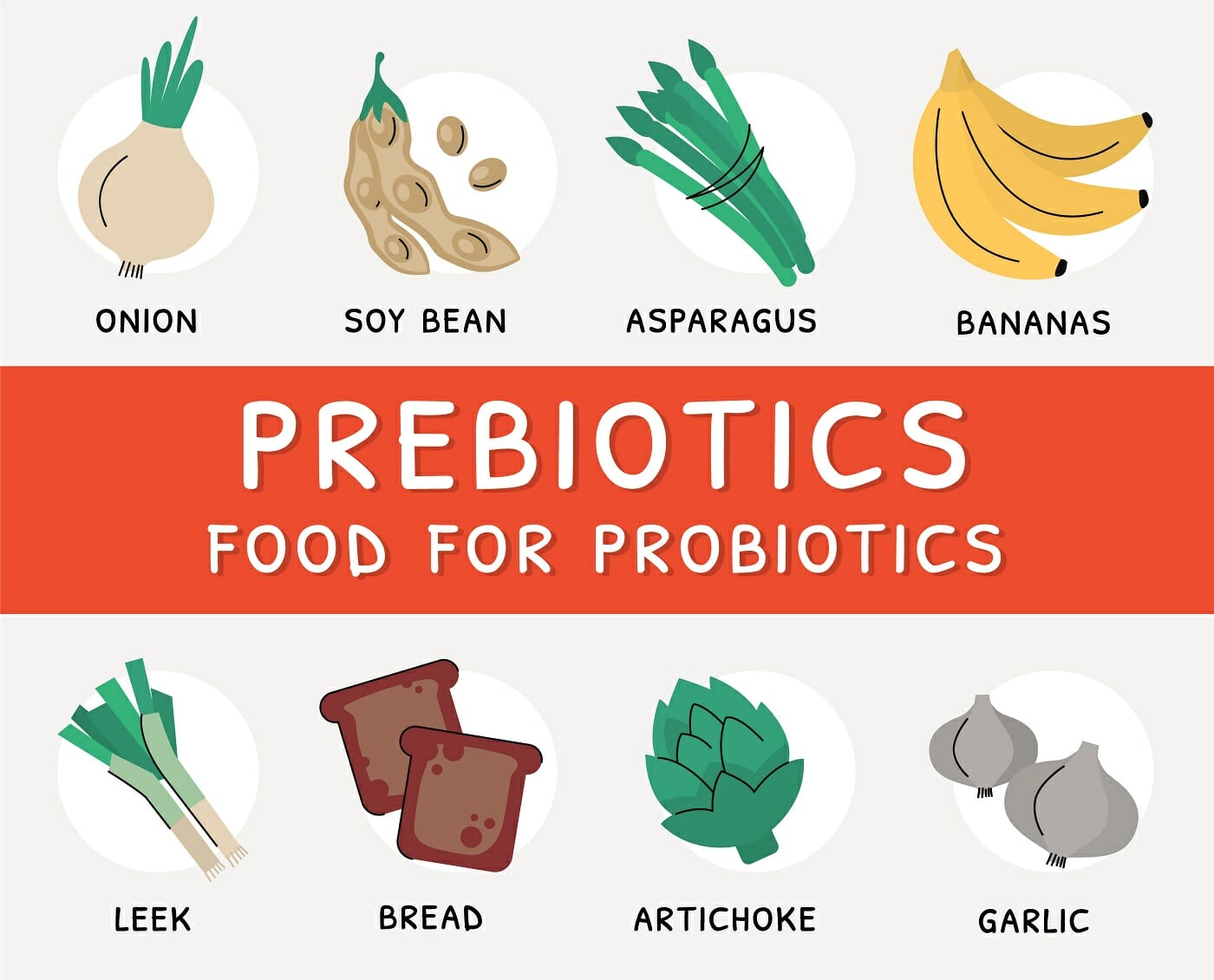
Resistant starch is highly beneficial for gut microflora because it cannot be digested in the small intestine. Instead, it passes into the large intestine, where it becomes food for probiotic bacteria. There, it has several positive effects on gut health, including:
supporting the proper function of intestinal cells,
reducing inflammation,
and strengthening the immune system.
In particular, increased intake of resistant starch may support the growth and activity of beneficial bacteria such as Bifidobacterium and Lactobacillus, leading to a more balanced and healthy gut microbiota. This can help improve digestion and nutrient absorption, protect against pathogens, and reduce the risk of various gastrointestinal diseases.
Overall, resistant starch acts as a prebiotic, strengthening gut microflora and supporting overall health.
Other important prebiotics include:
those found in oats,
pectin, a soluble fiber found in apples and other fruits,
and certain sugars derived from lactose (milk sugar).
Research shows that consuming a variety of prebiotics helps prevent the growth of pathogenic bacteria in the gut, increases energy and cognitive performance, and improves the absorption of minerals such as calcium, which helps maintain strong bones.
Any type of fermented food, such as sauerkraut, yogurt, kombucha, and others, supports the health of beneficial bacteria in the microbiome. These foods contribute to a healthy gut microflora and help strengthen the immune system.
Which Vitamins Influence Gut Microflora?
A deficiency of antioxidants, such as vitamins C and E, as well as minerals like selenium, may lead to a reduction in the number of beneficial gut bacteria that help maintain a healthy intestinal flora.
At the same time, this creates favorable conditions for the growth of harmful strains such as E. coli, which would normally be kept under control by beneficial bacteria.
Polyphenols and Gut Health
Natural antioxidants known as polyphenols are compounds with beneficial effects on health, mainly due to their antioxidant properties. They are found in:
fruits,
vegetables,
green tea,
and wine.
Studies have shown that consuming a blueberry drink increases beneficial gut bacteria such as Bifidobacterium and Lactobacillus, while antioxidants found in red wine also contribute to positive changes in gut microbiota.
One study found that grape seed extract increased the number of beneficial bacteria while simultaneously reducing levels of toxic bacterial strains. Other natural sources, such as:
cocoa,
green tea,
cranberries,
pomegranate,
and mango,
show similar beneficial effects.
Vitamins Produced by Gut Microflora
The gut microbiota produces important vitamins that support immunity and overall health, including:
Vitamin K — synthesized by bacteria such as Bacteroides fragilis. Vitamin K supports cardiovascular health by reducing vascular calcification and cholesterol levels, which may positively influence immunity.
Vitamins B5 and B12 — also produced in the gut, these function as essential coenzymes for the nervous system and cognitive health. Deficiencies in these vitamins may lead to problems such as neuropsychological disorders, highlighting the importance of gut microflora for both immunity and overall well-being.
A healthy gut microbiome is essential for the optimal functioning of the immune system. At the same time, sufficient intake of vitamins and minerals plays a key role in supporting immunity and maintaining overall health.
Should You Take Probiotics to Strengthen Immunity?
Probiotics are live organisms, such as various strains of bacteria, believed to provide health benefits.
Probiotic supplements remain somewhat controversial because some researchers argue that the relatively small number of active microbes contained in supplements may not be enough to significantly alter the balance of bacteria in the gut microbiome. However, many studies examining the effects of probiotics suggest that they offer numerous health benefits.
Typical probiotic supplements contain some of the same bacteria naturally found in the gut, including:
Bifidobacterium
and Lactobacilli.
Benefits of Probiotics
Research suggests that taking probiotic supplements may have several positive effects on health, particularly in reducing infections and inflammation.
Probiotics may:
help reduce muscle soreness after exercise,
minimize the risk of intestinal permeability (“leaky gut”),
and reduce the likelihood of toxic substances entering the bloodstream and causing systemic inflammation.
One of the main findings is that probiotic supplements appear to have particularly beneficial effects on upper respiratory tract infections.
The most effective probiotic bacteria for preventing such infections are lactobacilli. These bacteria are commonly found in most probiotic supplements and may therefore be beneficial for many people.
Overall, supporting the immune system through probiotics appears to be a promising strategy for reducing the risk of illness.
What Type of Probiotic Supplement Is Best?
The best type of probiotic supplement is generally considered to be a multi-strain formula, or one containing at least 10 different bacterial strains.
The higher the bacterial count in the probiotic supplement, the better. Ideally, you should choose a product containing at least 20 billion CFU (colony-forming units).
Studies show that this type of supplement may:
improve intestinal permeability,
enhance antioxidant status,
and reduce muscle soreness by helping control excessive inflammation.
Overall, most research suggests that multi-strain probiotics containing several types of bacteria are more effective than probiotics containing only a single strain.
Additional Benefits of Probiotics
Probiotics may also help:
increase nutrient absorption,
improve glycogen storage,
positively affect body composition,
support hormone production,
and enhance mood and cognitive performance.
Probiotic Foods
Probiotic foods themselves may also provide benefits.
A study investigating the effects of fermented milk products (such as yogurt) found reductions in exercise-related inflammation and muscle soreness.
Higher-quality probiotic supplements often contain prebiotics, most commonly in the form of inulin, which is a natural prebiotic fiber.
It is important to store probiotic supplements in the refrigerator after opening, as low temperatures help extend shelf life and preserve the activity of live bacteria. Without proper storage conditions, probiotics may lose their effectiveness.

How Do Diet and Exercise Influence Immunity Through the Microbiome?
How Does Regular Exercise Affect Immunity?
Different types of exercise have different effects on the gut microbiome. Aerobic exercise, such as running or cycling, causes immediate changes in the composition of the microbiome, whereas resistance training does not produce the same effect.
Various studies have shown that active athletes, such as rugby players, have greater diversity of microorganisms in their intestines, along with increased levels of Akkermansia bacteria. These bacteria are associated with several positive health benefits, and elevated levels of the same strain were found in 30 out of 33 cyclists studied.
In addition, athletes also show increased levels of bacteria from the Prevotella group, which contribute to improved amino acid metabolism and faster muscle recovery after exercise.
Cyclists have also demonstrated an increase in bacteria capable of utilizing hydrogen produced in the large intestine to create short-chain fatty acids (SCFAs) — specifically acetate, propionate, and butyrate — which serve as a major energy source for cells.
Interestingly, although expensive supplements containing Akkermansia are widely available on the market, its levels can also be naturally increased through regular physical exercise.
Conclusion
Probiotic supplements are often recommended for the treatment and prevention of a wide range of diseases. The recent surge in research on the importance of the population of bacteria and other organisms living in the large intestine — known as the gut microbiome — suggests that maintaining an optimal balance of certain bacterial strains in the colon may have significant health benefits and support a healthy gut.
The function of the immune system is closely connected to the gut microbiome. Dysbiosis, or an imbalance in the activity of bacterial strains within the large intestine, may increase the risk of diseases ranging from obesity and cardiovascular disease to cancer.
There is evidence that consuming probiotic supplements may positively influence the gut microbiome and thereby strengthen immunity. However, for these supplements to be effective, they must be taken consistently, either through supplementation or probiotic-rich foods.
It is also important to consume prebiotic foods, which nourish beneficial gut bacteria.
In addition, adequate intake of vitamins C, D, E, and B12, as well as selenium, plays a crucial role in supporting the immune system.
A healthy, fiber-rich diet supports the gut microbiome by providing nutrients for beneficial bacteria, contributing to improved digestive health and overall well-being.
Sources
https://www.edukafarm.sk/data/soubory/casopisy/mediNEWS/02-2014/14.pdf
https://www.appliedmetabolics.com/the-universe-within-by-jerry-brainum-8-22/
Gershwin, M.E. et all.: Handbook of nutrition and immunity (Human a Press, Totowa, New Yersey 2004) http://digilib.unimus.ac.id/fi les/disk1/138/jtptunimus-gdl-mericgersh-6854-1-ebookscl-y.pdf 2. Krejsek, J. et all.:
Nutrition, Probiotics, and the Immune System http://www.pediatriepropraxi.cz/pdfs/ ped/2007/03/07.pdf 3. Sekirov, I.: Gut Microbiota in health and disease (Physiological Reviews, 1 july 2010, Vol.90)http://physrev.physiology.org/content/90/3/859 4. Štefanovič, J., Hanzen, J.:
Gut Microbiota in Health and Disease (vyd. HPL Servis, Bratislava 2012) http://www.hpl.sk/onas/preview-fi le/8676e3052af37880c8011322bb3dba7 5. Tlaskalová-Hogenová, H. et all.: The Gut as an Immune Organ – The Human Microbiome (mmunity and Nutrition, STOPA Conference, Prague, June 15, 2013) The Gut as an Immune Organ – Presentation.pdf