
Caffeine is the most widely consumed psychoactive substance in the world – approximately 90% of adults in Western countries consume it regularly. It is no coincidence that it has also become the most common ingredient in pre-workout formulas. But what about the other ingredients you find on pre-workout labels? BCAAs, arginine, citrulline, beta-alanine, creatine... Do they actually work, or are they just marketing promises?
In this article, we will look at the scientific evidence behind the individual ingredients of pre-workout supplements. We will help you navigate what actually works, in what doses, and when to take these supplements.
Stimulants and Cognitive Enhancers
Stimulants form the core of most pre-workout supplements. Their primary role is to increase mental alertness, delay fatigue, and improve the ability to focus during a workout. However, not all stimulants are created equal – some are backed by decades of research, while others are experimental substances where caution is highly warranted.
Caffeine and Coffee Before a Workout
Caffeine is the gold standard among ergogenic (performance-enhancing) stimulants. Its mechanism of action lies in blocking adenosine receptors in the brain; adenosine is the substance responsible for feelings of relaxation and fatigue. Thanks to this, it increases alertness and energy.
We covered the topic of caffeine in stimulant pre-workouts in the article Pre-workout supplements: usage, timing, and safe combinations. There you can learn more about its effects, proper dosage, and timing, and we also addressed the "crash" phenomenon, which is closely related to caffeine.
|
Alpha-GPC (Alpha-Glyceryl Phosphoryl Choline)
Alpha-GPC is a premium form of choline (a nutrient similar to B-complex vitamins) that crosses directly into the brain. There, it converts into acetylcholine – a chemical messenger responsible for two things crucial to athletes:
The Mind-Muscle Connection: Acetylcholine is essential for transmitting signals from the brain to the muscles. More acetylcholine means a stronger and more precise signal, resulting in a more efficient muscle contraction. Simply put – the brain "talks" to the muscles better, telling them what to do.
Mental Sharpness: Better concentration and more focus during a set.
What does this mean for your workout? A study showed that taking 600 mg of Alpha-GPC for 6 days increased isometric strength by 3%. In practice, this can mean the difference between grinding out that last rep of a set or failing it. As an added bonus: 1,000 mg of Alpha-GPC increased growth hormone levels by 290%. This hormone is important for muscle recovery and growth.
What to watch out for: Higher doses (above 1,000 mg at once) can cause nausea. Start with 300 mg and gradually increase.
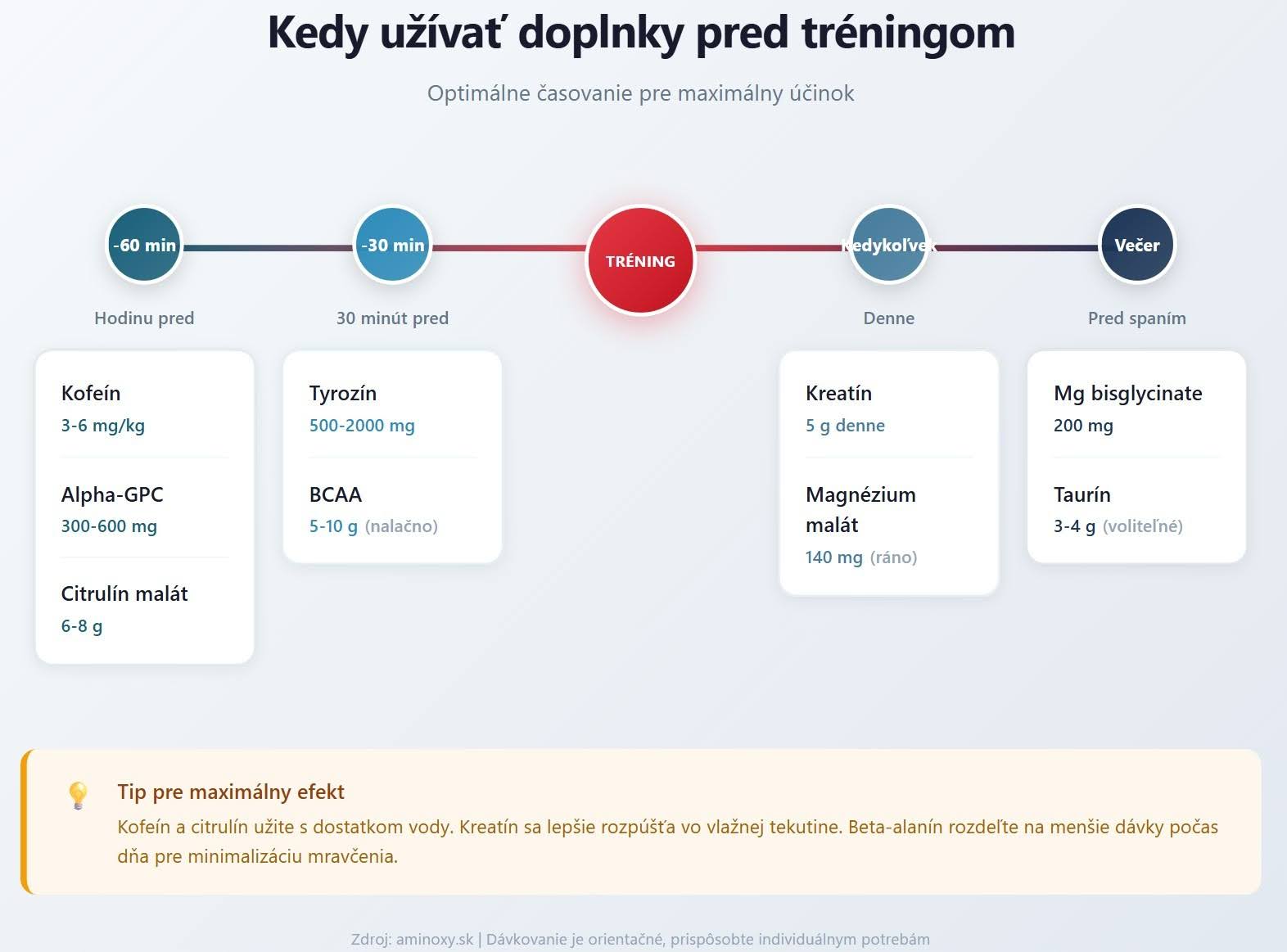
💡 Recommended dose: 300–600 mg of Alpha-GPC, approximately 60 minutes before a workout. |
Huperzine A
Huperzine A is an extract from a Chinese plant that acts as a protective shield for acetylcholine. Normally, the body quickly breaks down acetylcholine using a specific enzyme. Huperzine A blocks this enzyme, allowing acetylcholine to remain active for longer.
Why combine it with Alpha-GPC? It is like a one-two punch: Alpha-GPC delivers the raw material to produce acetylcholine, while Huperzine A prevents its breakdown. The result? Longer-lasting focus and a better mind-muscle connection throughout your entire workout.
Important: Huperzine A remains active in the body for a long time (10–14 hours), so do not take it daily over the long term. It is better to cycle it – for example, only on training days, or 5 days on, 2 days off.
💡 Recommended dose: 50–200 micrograms (mcg) before a workout. Note: micrograms, not milligrams! |
N-Acetyl L-Tyrosine (NALT)
Tyrosine is an amino acid from which the body produces dopamine (the motivation and reward hormone) and adrenaline (the stress hormone). When you are under pressure – whether physical or mental – the body depletes tyrosine faster. N-Acetyl L-Tyrosine is an acetylated form with theoretically better solubility.
When does tyrosine actually help? You will feel the greatest benefit when you are under pressure: lack of sleep, a demanding day at work, or a mentally exhausting period. Tyrosine helps maintain mental alertness even when your body and mind are screaming to "skip today's workout." In the context of training, it helps maintain focus during heavy sets.
💡 Recommended dose: 500–2,000 mg of tyrosine, 30–60 minutes before a workout or a stressful situation. |
DMAE Bitartrate
DMAE (dimethylethanolamine) is an organic compound that occurs naturally in the brain and in certain foods like sardines and anchovies. The theory behind its use is that it can serve as a precursor to choline and, subsequently, acetylcholine. The reality is more complicated. Studies show that the conversion of DMAE to choline in the body is very inefficient. There are a few older studies (mostly from the 1980s), but the results were mixed and the methodology was often weak.
The Reality: Scientific evidence for DMAE is insufficient. Some individuals report improvements in mood and focus, but high-quality studies on athletes are lacking. If you find it in a pre-workout, it is probably not the primary reason you should buy it.
DMAA (1,3-Dimethylamylamine)
DMAA is a powerful stimulant. It was originally developed in the 1940s as a nasal decongestant, but it was never really used for that purpose. Around the year 2000, it began appearing in pre-workouts marketed as a "natural" stimulant derived from geranium oil – which was later proven to be false.
Why it is controversial:
Arguments "pro" (part of the fitness community):
Powerful stimulant effects – energy, focus, euphoria.
Some studies (funded by manufacturers) claimed it is safe in recommended doses.
Proponents argue that reported issues were caused by overdosing or combining it with other stimulants.
Arguments "con" (regulatory bodies, medical community):
Reports of serious cardiovascular events, including several fatalities.
In 2013, the US FDA recorded 29 cases of acute liver damage among users of Oxy-Elite Pro, a product that contained DMAA. One case was fatal. However, a direct link to DMAA was not definitively proven, as the product contained other ingredients as well.
A lack of long-term safety studies.
⚠️ WARNING: DMAA is banned or heavily regulated in many countries. In Slovakia and most EU countries, it is not approved as a dietary supplement, and its sale is illegal. It has been linked to serious health complications, including cardiac events. |
DMHA HCL (Octodrine, 2-Aminoisoheptane)
DMHA (2-aminoisoheptane) is a stimulant structurally similar to DMAA. It appeared on the dietary supplement market as a replacement for the banned DMAA. It acts as a sympathomimetic, meaning it stimulates the release of noradrenaline (also known as norepinephrine).
What the research says: Next to nothing. Unlike DMAA, which has at least a few studies (albeit controversial ones), DMHA has virtually no research on humans. One study from 2018 noted an increase in blood pressure and heart rate, but that is about all we know.
The fitness community's stance:
Users report similar effects to DMAA – energy, focus, and appetite suppression.
Skeptics warn that we are using a substance about whose safety we know practically nothing.
Some consider it a "milder version of DMAA."
⚠️ WARNING: DMHA is an experimental substance with insufficient data regarding long-term safety. Use with extreme caution. Like DMAA, this substance is not among approved ingredients. |
Eria Jarensis (N-Phenethyl Dimethylamine)
Eria Jarensis is an orchid extract that contains the active ingredient N-phenethyl dimethylamine – a compound chemically similar to PEA (phenylethylamine). PEA is sometimes called the "love molecule" because it triggers the release of dopamine and induces feelings of euphoria and energy.
Why not use PEA on its own? The problem with pure PEA is that the body breaks it down extremely fast – its half-life (the time it takes for half of the substance to be broken down) is only 5–10 minutes. This means it practically does not reach the brain in an effective amount.
The advantage of N-phenethyl dimethylamine: This substance from Eria Jarensis has an altered chemical structure that makes it harder for the body to break down. Theoretically, it should last longer than pure PEA. In practice, this translates to longer-lasting energy and a better mood during your workout.
The Reality: Scientific studies on this substance are virtually non-existent. Everything we know about it comes from anecdotal user experiences. If you try it, treat it as an experiment.
Kanna Extract (Sceletium Tortuosum)
Kanna is a succulent plant native to South Africa, traditionally used by indigenous tribes for its psychoactive effects. It functions similarly to certain antidepressants – helping to keep serotonin (the contentment hormone) active in the brain for longer.
Why is Kanna in pre-workouts? Powerful stimulants (high doses of caffeine, DMHA) can cause jitteriness, anxiety, or tremors in some people. Kanna acts as a stabilizer – it provides energy without that unpleasant feeling that your head is about to explode. It is like having the gas pedal and the brake in one.
What the research says: Kanna is one of the few "mood" ingredients backed by actual human clinical trials. Research has shown improvements in focus and a reduction in anxiety. A 2013 study published in the Journal of Ethnopharmacology showed that 25 mg of a standardized extract improved cognitive flexibility and executive function after just a single dose.
|
Vasodilators – The Best Pre-Workout Pump
Vasodilators are substances that widen blood vessels. For athletes, this means improved blood flow to working muscles, a greater supply of oxygen and nutrients, and a more intense feeling of a muscle pump.
The key is nitric oxide (NO), a gaseous molecule produced in the inner lining of blood vessels (the endothelium) that causes them to relax and widen. The more NO present, the better the blood flow. That is why substances in this category are frequently referred to as "NO boosters" or "pumps."
💡 Interesting fact: In 1998, three scientists were awarded the Nobel Prize in Medicine for discovering that nitric oxide (NO) serves as a signaling molecule in the cardiovascular system. Until then, no one suspected that a simple gas could perform such an important function in the body. This discovery led, among other things, to the development of medications like Viagra (which works precisely through the NO pathway) and laid the foundation for the entire category of "NO booster" supplements. |
L-Citrulline and Citrulline Malate
Citrulline is a non-essential amino acid that converts into arginine in the body, which then converts into nitric oxide. You might wonder – why not just take arginine directly?
Here is the problem with arginine: the enzyme arginase breaks down 40–60% of arginine in the liver and intestines before it ever reaches where you need it. On top of that, higher doses of arginine frequently cause digestive issues. Therefore, the question is not how much arginine to take before a workout, but what to replace it with.
Citrulline bypasses this problem – the liver does not break it down, so almost all of it enters the bloodstream. Research shows that it is up to 200 times more effective at producing NO than arginine itself.
What will citrulline do for you? A study using 8 g of citrulline malate showed a 52% increase in repetitions on the bench press by the 4th set compared to a placebo, plus 40% less muscle soreness after 24 and 48 hours. This is exactly why many users subjectively claim it is the best pre-workout pump available.
Citrulline malate is citrulline chemically bound to malic acid (malate). Why this combination?
Malic acid is involved in the Krebs cycle – the process by which cells generate energy (ATP). Theoretically, it could support energy metabolism during a workout.
Better stability – malate can improve the stability and absorption of citrulline.
Scientific backing – most research has been conducted specifically on citrulline malate (rather than pure L-citrulline), so we have the most evidence of effectiveness for this form.
Tip: Kamikadze Extreme Pre-Workout – for those looking for intense stimulation and a maximum pump. It contains a combination of citrulline malate, caffeine, and cognitive enhancers.
Practical note: Citrulline malate consists of approximately 57% citrulline and 43% malate. Therefore, if a product contains 6 g of citrulline malate, you are receiving approximately 3.4 g of pure citrulline.
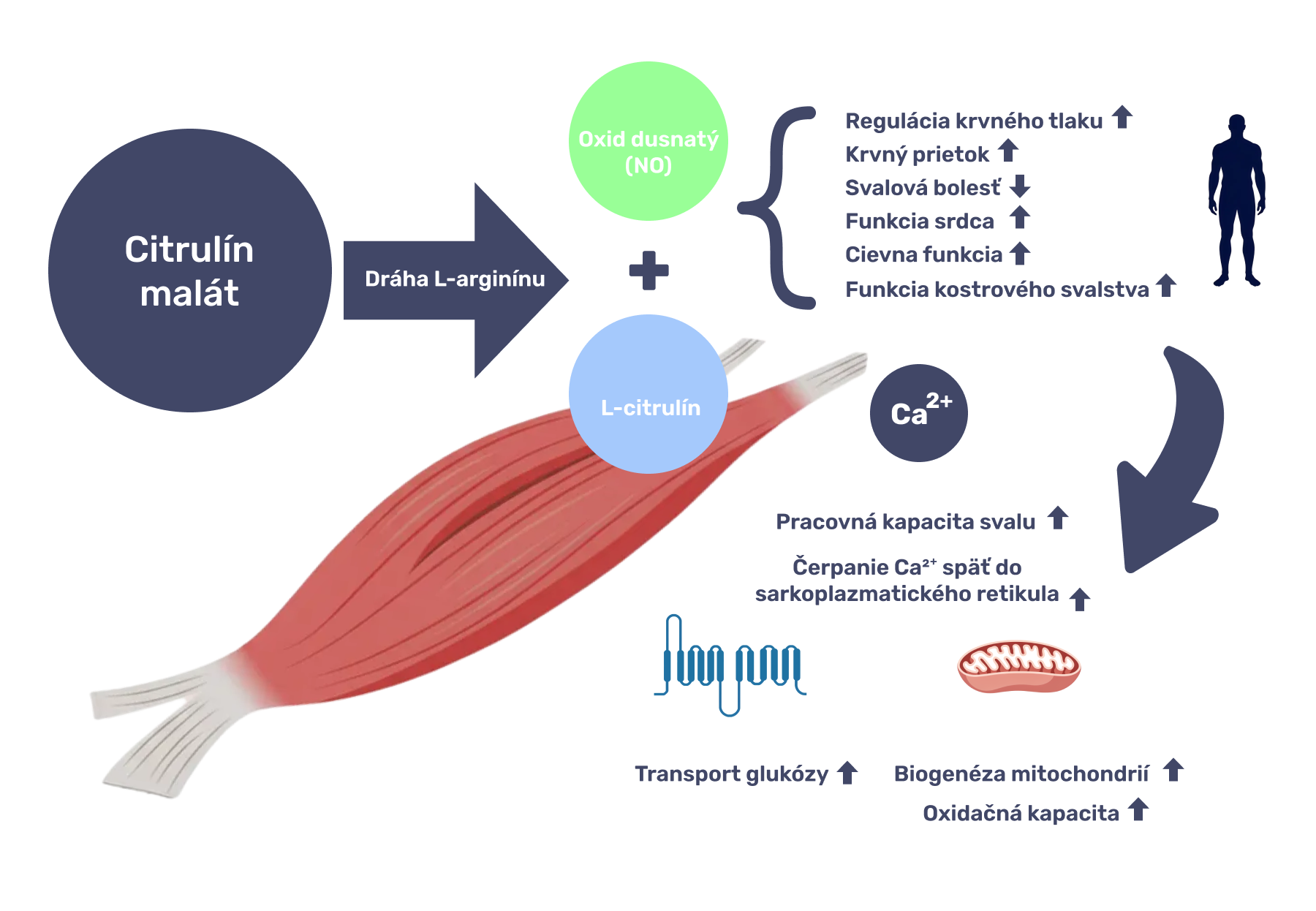
💡 Effective dose: 6–8 g of citrulline malate or 3–6 g of pure L-citrulline, one hour before a workout. |
Arginine and Arginine AKG (Alpha-Ketoglutarate)
Arginine was the first "NO booster" ingredient on the market. Arginine AKG is arginine bound to alpha-ketoglutarate – a substance involved in energy metabolism. Manufacturers claim that this form has better absorption and stability.
The Reality: Most studies with young, healthy individuals have found no significant performance improvement — whether using pure arginine or the AKG form. A study with bodybuilders who took 8 g of arginine daily for 17 days showed no impact on muscle function or body composition.
Interesting fact: Arginine taken right before a workout can paradoxically reduce the release of growth hormone (GH) during exercise. If you want to take it to support GH, it is better to consume it outside the training window (for example, before bed).
When arginine makes sense: In individuals over 40 or those with blood pressure issues. With age, ADMA – a substance that blocks NO production – accumulates in the body. Higher doses of arginine can overcome this block.
💡 For younger and healthy athletes, citrulline is likely a better choice. If you still prefer arginine, take at least 4–6 g, ideally in combination with agmatine (which prevents arginine breakdown). |
Agmatine Sulfate
Agmatine is a helper for arginine. It blocks the enzyme arginase, which breaks down arginine in the liver. When you combine agmatine with arginine (or citrulline), more of it enters the bloodstream and can be used for NO synthesis.
Why combine it with other substances? In addition to supporting NO, agmatine has other interesting properties: it can support the release of luteinizing hormone (which stimulates testosterone production), has mild analgesic effects, and protects nerve cells. A safety study showed that 445 mg daily for 5 years caused no changes in blood biochemistry.
A detailed overview of safe combinations and dosages can be found in the article: Pre-Workout Fatigue: How to Boost Your Energy Without Overtraining.
💡 Recommended dose: 500–1,500 mg before a workout. Best combined with citrulline for a maximum pump. |
Performance Ingredients
Beta-Alanine
Beta-alanine is an amino acid that combines with histidine in the muscles to create carnosine. Carnosine acts as a "buffer" – it neutralizes the acid that accumulates in the muscles during intense exercise, which causes burning and fatigue.
Who is it most useful for? Beta-alanine works best during activities lasting 30 seconds to 10 minutes – such as interval training, circuit training, CrossFit, MMA, or higher-repetition sets (15–20 or more). For short, maximal movements (1RM) or long cardio, its effect will be minimal.
What does the latest research say? Recent studies (2022–2023) have questioned whether beta-alanine truly brings significant benefits:
A meta-analysis of 20 studies (2022) found no impact on body composition – it does not help build muscle or burn fat.
A study of trained men (2023) showed no difference in strength compared to a placebo.
The average performance improvement is approximately 2%.
What does 2% mean in practice? For a recreational athlete, it is almost unnoticeable – for example, a sprint that is a few seconds longer or 1–2 extra repetitions in a long set. For an elite athlete fighting for a medal, where fractions of a second matter, even a 2% improvement can mean the difference between victory and defeat.
For comparison: Creatine brings a strength improvement of 5–20%. With Alpha-GPC (a 3% increase), we are talking about a direct increase in maximal strength – a measurable difference with heavy weights. With beta-alanine, it is an improvement in endurance tests, where 2% represents just a few seconds or a couple of extra repetitions.
💡 Tingling from beta-alanine is normal. If you feel a tingling sensation in your face, hands, or other parts of your body after taking it, it is not an allergic reaction. Beta-alanine irritates sensory receptors in the skin. It starts about 15 minutes after ingestion and disappears within an hour. It is harmless. If it bothers you, take smaller doses (max 800 mg at once) or get a time-release formula. |
💡 Recommended dose: 3.2–6.4 g daily, divided into multiple doses. Important: Effects only kick in after 2–4 weeks of regular use. Carnosine levels remain elevated for up to 3 months after discontinuing. |
Taurine
You certainly know taurine from energy drinks. It is the second most abundant amino acid in the human body (after glutamine). It is found throughout the body, but primarily in the heart, brain, and muscles. It is not a building block of muscle like other amino acids, but it has other important functions.
The significance of taurine for athletes:
Regulates cellular hydration – a well-hydrated cell functions better.
Helps regulate electrolytes (magnesium, sodium, potassium) – helping to prevent cramps.
Acts as an antioxidant – protecting muscles from damage.
Supports fat oxidation (burning) – a study showed a 16% increase at a dose of 1.66 g.
Why is taurine in energy drinks? It acts as a balancer that mitigates the jitteriness and shaking caused by high doses of caffeine. That is why it fits well into pre-workouts too – it provides energy without making you feel completely wired or on edge.
Study with elite boxers (2022): Research on 20 elite boxers tested a combination of caffeine (6 mg/kg) and taurine (3 g). The results showed an improvement in reaction time, agility, and cognitive function with combined use compared to a placebo.
Note for users: Beta-alanine and taurine use the same transporter (TauT) to enter the muscles – essentially sharing the same "gate." Theoretically, long-term use of beta-alanine could lower taurine levels. However, a study by Blancquaert et al. (2017) showed that 24 weeks of taking 6.4 g of beta-alanine daily did not decrease muscle taurine levels. Nevertheless, if you take beta-alanine long-term, it is wise to add taurine taken at a different time of day (with a gap of at least 2–3 hours).
💡 Recommended dose: 1–3 g before a workout. Bonus: 4 g before bed can improve sleep quality (taurine has a relaxing effect). |
Creatine (Monohydrate, HCL, Malate, Nitrate)
Creatine is a substance that naturally occurs in our body, primarily in skeletal muscle. It plays a crucial role in energy production during intense physical activity. At the same time, it is the most researched and effective sports supplement ever. It works for 80% of users and is backed by thousands of published studies. Its main function is to serve as a backup for replenishing ATP — the primary source of energy in cells.
💡 Interesting fact: Creatine was discovered in 1832 by French scientist Michel Eugène Chevreul, who isolated it from meat. The name comes from the Greek word "kreas" (meat). However, it took another 160 years before it became the world's best-selling sports supplement in the 1990s. |
How it works: ATP (adenosine triphosphate) is the "fuel" for muscle contraction — without it, the muscle won't move. The problem is that muscles only have enough ATP stores for a few seconds of maximum performance, after which they must be recharged. This is where creatine comes in: it helps regenerate depleted ATP back into its functional form faster.
More creatine = faster recharging = more energy for the next repetition.
The result in practice: A 5–20% increase in muscle strength, more repetitions with the same weight, and faster recovery between sets.
Creatine monohydrate remains the gold standard among creatines. It is 100% bioavailable (especially when dissolved in a warm liquid), safe, and inexpensive. Studies show a 5–20% increase in muscle strength and a gain in muscle mass when combined with training. Other forms (HCL, nitrate, malate) have no proof of being better — they are just more expensive.
Watch out for creatine ethyl ester (CEE): Have you ever heard claims about a "4,000% better absorption" of this form of creatine? A study by Spillane et al. (2009) compared CEE with classic monohydrate. The result? After 28 days of CEE use, muscle creatine levels did not increase compared to a placebo — whereas monohydrate worked. The reason: CEE breaks down into creatinine (a waste product excreted by the body) in the acidic environment of the stomach within just 30 minutes.
💡 Recommended dose: 5 g daily, anytime (it doesn't have to be pre-workout). A loading phase (20–30 g daily for 5–6 days) accelerates the effects, but it is not necessary — you will reach the same saturation in 30 days at 5 g daily. Solubility tip: Creatine monohydrate dissolves better in warm liquid. If it bothers you that it settles at the bottom of the glass, try lukewarm water or tea. |
BCAAs Before a Workout (Branched-Chain Amino Acids)
BCAAs are three essential amino acids — leucine, isoleucine, and valine — which make up approximately 35% of muscle proteins. Among them, leucine is the most important, acting as the main "switch" for muscle building.
When you actually need BCAAs before a workout:
You train fasted (in the morning before breakfast) – BCAAs before a workout can provide protection against muscle breakdown.
4+ hours have passed between your last meal and your workout – amino acid levels in the blood are low.
You are in a caloric deficit (losing weight) and want to minimize muscle loss.
During long endurance workouts (90+ minutes) – BCAAs can serve as an energy source and reduce fatigue.
When you do not need BCAAs before a workout:
If you get enough protein (1.6–2.2 g/kg daily) spread throughout the day and train 1–2 hours after a meal, extra BCAAs probably won't add any measurable benefit. Whey protein already contains about 25% BCAAs in the optimal ratio — so if you drink a protein shake, you have them covered.
What the research says:
Fatigue: A study by Blomstrand (2006) showed that BCAAs before a workout can reduce the perception of fatigue during long exercise. The mechanism: BCAAs compete with tryptophan (from which serotonin — the "fatigue hormone" — is formed) for entry into the brain.
Muscle soreness: A meta-analysis by Fedewa et al. (2019) confirmed that BCAAs reduce delayed onset muscle soreness (DOMS) after a workout.
Muscle growth: BCAAs alone are less effective for muscle growth than a complete protein — the other essential amino acids are missing.
💡 Recommended dose: 5–10 g before a fasted workout, in a 2:1:1 ratio (leucine:isoleucine:valine). If you train after a meal containing protein, BCAAs are not necessary, but they won't hurt either. |
Created using Claude AI (Anthropic)
Other Substances in Pre-Workout Supplements
Yohimbe Extract (Yohimbine)
Yohimbine is an extract from the bark of the African tree Pausinystalia yohimbe. It is best known for its ability to block receptors that normally prevent the release of fat from stubborn areas.
Effects of yohimbine:
Fat burning from stubborn zones: It blocks alpha-2 receptors, which normally inhibit fat release. These receptors are most highly concentrated in the abdomen, hips, and thighs – which is why yohimbine is popular for leaning down these specific areas.
Stimulant effects: Yohimbine increases adrenaline levels, which leads to increased energy, alertness, and appetite suppression. This effect also makes it an interesting addition to pre-workouts.
Increased blood flow: Yohimbine is a vasodilator – it was originally used to treat erectile dysfunction.
Key condition: Yohimbine works for fat burning only when taken on an empty stomach. Insulin (released after eating) completely blocks its effects on fat cells. Its stimulant effects work at any time.
⚠️ WARNING: Yohimbine has a narrow "therapeutic window" – meaning the difference between an effective dose and a dangerous one is small. Even a slight overdose can cause unpleasant side effects. These include anxiety, elevated blood pressure, and an increased heart rate. It is not recommended for individuals with cardiovascular issues or anxiety disorders. |
💡 If you decide to try it: Start with 2.5 mg and monitor your reaction. An effective dose for fat burning is approximately 0.2 mg/kg of body weight – for an 80 kg person, this means 16 mg. Always take it on an empty stomach, at least 30 minutes before cardio. Never combine it with other stimulants. |
Magnesium Before a Workout (Citrate, Glycinate, Malate)
Magnesium is an essential mineral involved in more than 300 processes in the body, including energy production, muscle contraction, and protein synthesis. Its deficiency can reduce performance, cause cramps, and impair sleep quality.
💡 Interesting fact: The human body contains approximately 25 grams of magnesium, of which 60% is stored in the bones and teeth, 39% in the muscles, and only 1% in the blood. This is precisely why blood tests often fail to show a true deficiency – the body prioritizes maintaining blood levels at the expense of muscle stores. |
Why it matters for athletes: Intense exercise and stress increase magnesium loss through sweat and urine. Most people do not even reach the recommended daily intake from a standard diet.
How to choose?
There are several forms of magnesium that differ in absorption and effects. At Aminoxy.com, after years of experience and testing, we have decided to offer three of its distinct forms for now, each for a specific purpose. This is no coincidence – these three forms cover 95% of situations where magnesium supplementation is needed.
Magnesium Chelate (125 mg) – the gentlest form, ideal for everyday, long-term use as a preventative measure. The chelated bond means that the magnesium is bound to amino acids, ensuring better absorption than conventional forms (e.g., oxide). It is suitable for beginners and people with a sensitive stomach.
Magnesium Malate (140 mg + Vitamin B6) – malate (malic acid) is involved in energy metabolism within the Krebs cycle. This is an ideal choice for a pre-workout magnesium to support energy production. Vitamin B6 further enhances the utilization of this mineral in the body.
Magnesium Bisglycinate (200 mg + Vitamin B6) – the most bioavailable form on the market (up to 90% absorption). Glycine is an amino acid with calming effects. This is the ideal choice for the evening before bed – helping with cramps, insomnia, and stress. It also supports the production of GABA – the primary calming neurotransmitter in the brain.
Tip: Many athletes successfully combine magnesium before a workout or in the morning in the form of malate + magnesium bisglycinate in the evening (for recovery and sleep).
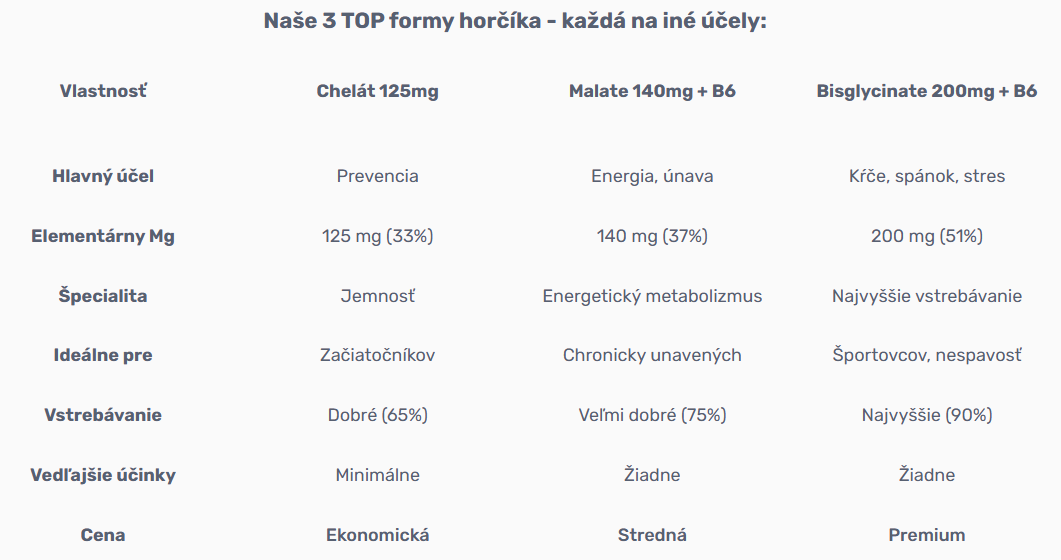
💡 Recommended dose: 200–400 mg of elemental magnesium daily. Divide into 2 doses – for example, magnesium malate in the morning/before a workout, and glycinate in the evening. |
Overview Table: Pre-Workout Supplement Ingredients
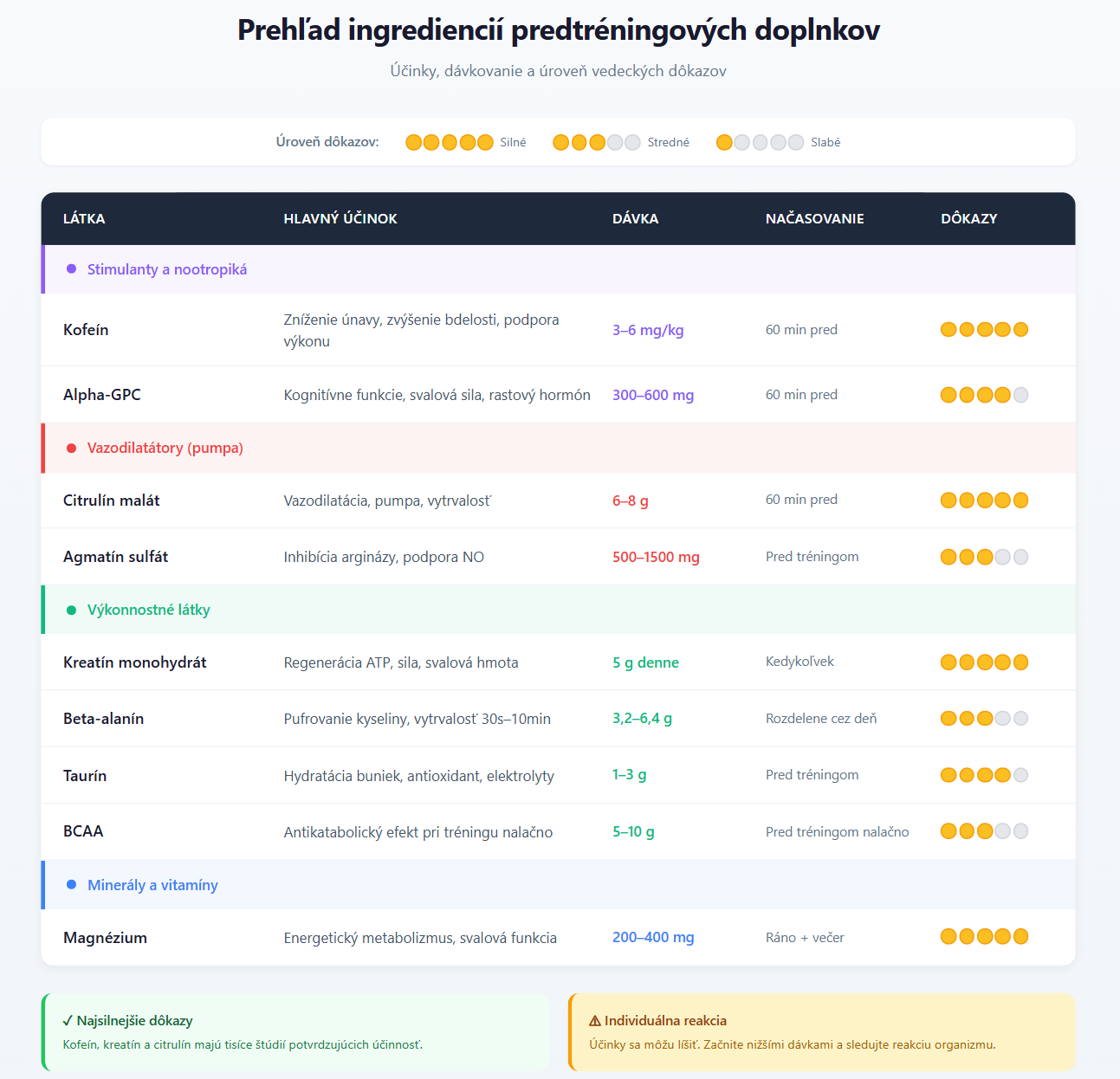
Created using Claude AI (Anthropic)
Safety Guidelines for Using Pre-Workout Supplements
Maximum usage: 1× daily.
Stimulant products: Do not use after 6:00 PM (the half-life of caffeine is 5-6 hours and will negatively affect sleep quality).
Start with a lower dose: Especially when dealing with strong stimulants (DMHA, DMAA, yohimbine).
Medical consultation: If you have health issues (heart conditions, high blood pressure, anxiety disorders), consult a doctor.
Age and health restrictions: Not intended for individuals under 18 years of age, pregnant, or breastfeeding women.
Do not combine:
Multiple pre-workouts at the same time
A pre-workout + excessive amounts of coffee
DMHA + DMAA simultaneously
You can find more about safe combinations and risks in the article: Pre-Workout Fatigue: How to Boost Your Energy Without Overtraining
Disclaimer: This article is for educational purposes only and does not replace professional medical advice. Consult your doctor before taking any supplements, especially if you take medication or have an underlying health condition. The effects of supplements are individual, and results may vary.
Read also:
Pre-workout supplements: usage, timing, and safe combinations
Do you have a magnesium deficiency? Symptoms, effects, and the risk of overdose
Sources
Ozan M, Buzdagli Y, Eyipinar CD, et al. "Does Single or Combined Caffeine and Taurine Supplementation Improve Athletic and Cognitive Performance without Affecting Fatigue Level in Elite Boxers? A Double-Blind, Placebo-Controlled Study" - Nutrients, 2022
Blancquaert L, et al. "Beta-alanine supplementation, muscle carnosine and exercise performance" - Journal of Applied Physiology, 2017
Spillane M, et al. "The effects of creatine ethyl ester supplementation combined with heavy resistance training on body composition, muscle performance, and serum and muscle creatine levels" - Journal of the International Society of Sports Nutrition, 2009
Blomstrand E. "A role for branched-chain amino acids in reducing central fatigue" - Journal of Nutrition, 2006
Fedewa MV, et al. "Effect of branched-chain amino acid supplementation on muscle soreness following exercise: a meta-analysis" - International Journal for Vitamin and Nutrition Research, 2019
Chiu S, et al. "The effects of Sceletium tortuosum extract on cognitive function: A randomized, double-blind, placebo-controlled crossover study" - Journal of Ethnopharmacology, 2013
Guest NS, et al. "International society of sports nutrition position stand: caffeine and exercise performance" - Journal of the International Society of Sports Nutrition, 2021
Bellar D, et al. "The effect of 6 days of alpha glyceryl phosphorylcholine on isometric strength" - Journal of the International Society of Sports Nutrition, 2015
Kawamura T, et al. "Glycerophosphocholine enhances growth hormone secretion and fat oxidation in young adults" - Nutrition, 2012
Keynan O, et al. "Safety and efficacy of dietary agmatine sulfate in lumbar disc-associated radiculopathy" - Clinical Journal of Pain, 2010
Kanaley JA. "Growth hormone, arginine and exercise" - Current Opinion in Clinical Nutrition and Metabolic Care, 2008
Paetsch PR, Greenshaw AJ. "2-Phenylethylamine-induced changes in catecholamine receptor density: implications for antidepressant drug action" - Neurochemical Research, 1991
Pérez-Guisado J, Jakeman PM. "Citrulline malate enhances athletic anaerobic performance and relieves muscle soreness" - Journal of Strength and Conditioning Research, 2010
Trexler ET, et al. "International society of sports nutrition position stand: Beta-Alanine" - Journal of the International Society of Sports Nutrition, 2015
Camargo J, et al. "Does beta-alanine supplementation enhance adaptations to resistance training?" - Biology of Sport, 2023
Ashtary-Larky D, et al. "Effects of beta-alanine supplementation on body composition: a GRADE-assessed systematic review and meta-analysis" - Journal of the International Society of Sports Nutrition, 2022
Waldron M, et al. "The effects of taurine on repeated sprint cycling" - Amino Acids, 2018
Kreider RB, et al. "International Society of Sports Nutrition position stand: safety and efficacy of creatine supplementation" - Journal of the International Society of Sports Nutrition, 2017
Brainum J. "Alpha-GPC: Can it make you stronger and smarter?" - Applied Metabolics, 2016
Brainum J. "Arginine Versus Citrulline: Which is superior to Nitric Oxide Synthesis?" - Applied Metabolics, 2021
Brainum J. "Should You Say Yes to NO?" - Applied Metabolics, 2024
Brainum J. "Mitochondria, Muscles, and Caffeine" - Applied Metabolics, 2023
Brainum J. "Taurine: No Bull Amino Acid" - Applied Metabolics, 2024
Brainum J. "Will the Real Creatine Please Stand Up" - Applied Metabolics, 2022
Brainum J. "Optimizing Beta Alanine: Is it Worth It?" - Applied Metabolics, 2023
Brainum J. "Supplement Failures" - Applied Metabolics, 2018
https://pubmed.ncbi.nlm.nih.gov/ - PubMed Central
https://examine.com/ - Examine.com (independent supplement research database)