
Ecdysterone: Effects, Research, and Regulation in Sports
Imagine a plant-based supplement with an anabolic potential so strong that scientists in a study sponsored by WADA (World Anti-Doping Agency) recommended banning it in sports. No prohormones, no synthetic testosterone derivatives. Just spinach extract. This is the story of ecdysterone - a compound that ranks among the most fascinating topics in current research on plant-based substances for sports.
This article is the final installment of a five-part series on plant-based compounds and micronutrients. We will look not only at ecdysterone and its controversial relative, turkesterone, but also at other substances emerging in performance supplements: laxogenin, deer antler velvet extract (IGF-1), HMB, D-aspartic acid, apigenin, luteolin, resveratrol, L-citrulline, and sea moss.
Ecdysterone and Novel Ecdysteroids
What is Ecdysterone?
Ecdysterone (20-hydroxyecdysone, abbreviated as 20E) is a steroid compound found in both insects and plants. This dual presence is the source of the confusion surrounding its colloquial name, "insect hormone." In insects, this substance regulates molting - the shedding of the chitinous exoskeleton - which is clearly a growth process. In plants, it serves the opposite role: it protects them from insects, acting as a natural defense mechanism.
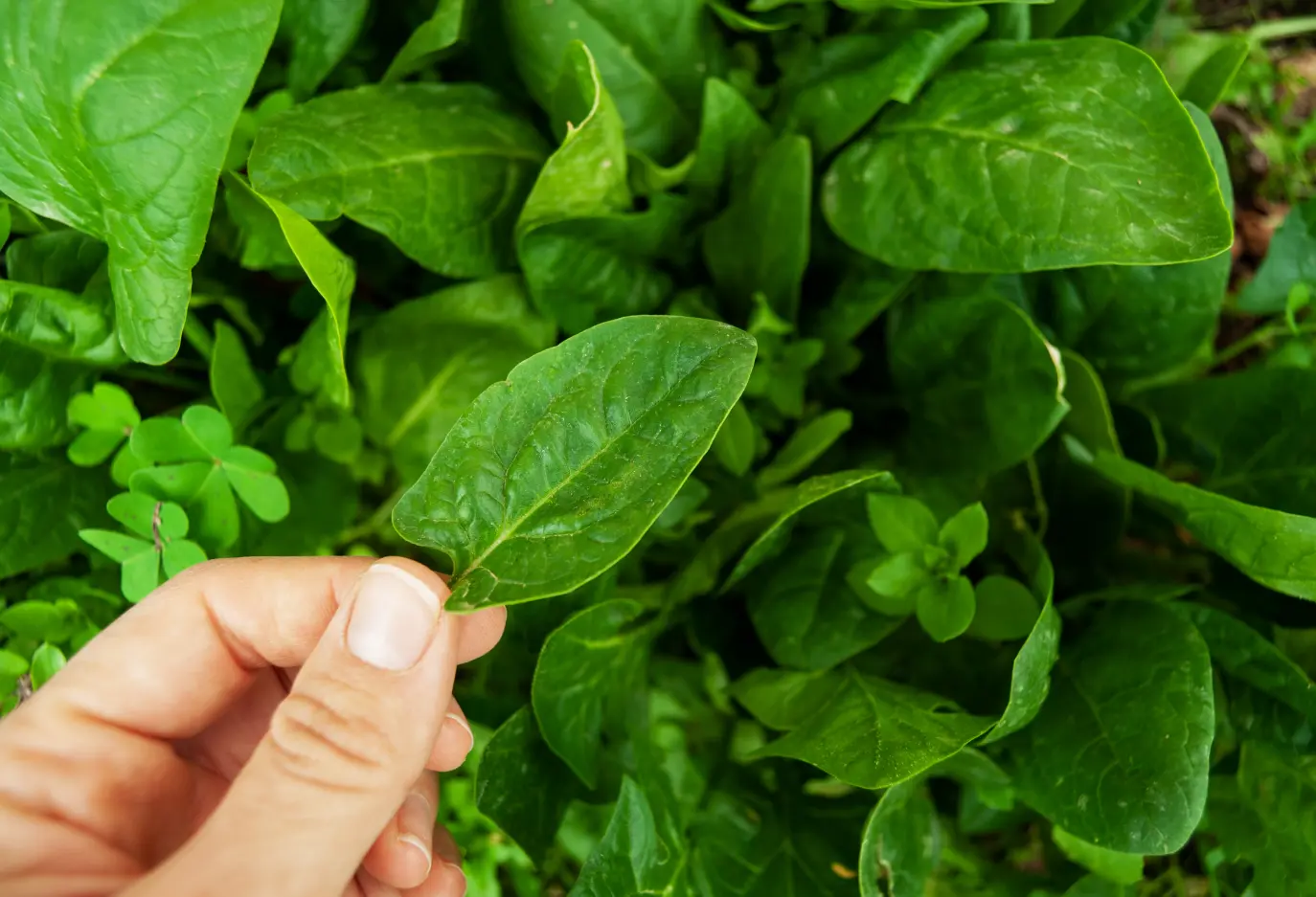
💡 Natural sources of ecdysterone: The richest commonly available source is spinach (about 1 mg per 100 g of fresh weight) and quinoa—a pseudocereal from Peru, which contains 15–20 mg of ecdysterone per 50 g serving. Nevertheless, the amount obtained from food is nowhere near enough to reach the doses that have demonstrated effects in studies. |
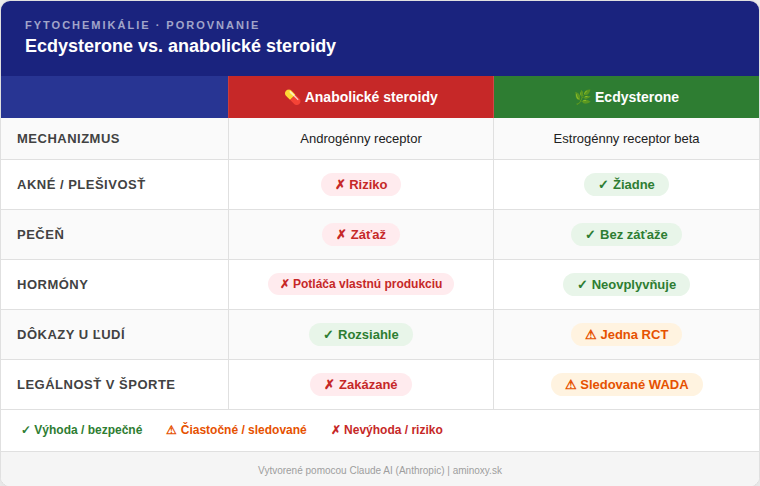
For a long time, no one could explain how ecdysterone even worked—after all, it doesn't bind to androgen receptors (the ones through which testosterone operates). The mystery was solved by a study by Parr MK et al. (2015 — Biol Sport): ecdysterone finds a different path. It binds to the so-called estrogen receptor beta—simply put, a "trigger" in muscle cells that activates muscle stem cells responsible for the repair and growth of muscle fibers. It’s like opening the back door instead of the main entrance: the result is similar, but the path is different.
This is exactly why ecdysterone does not carry the typical risks associated with anabolic steroids:
Does not bind to androgen receptors → no acne, no hair loss.
Does not promote excess estrogen production → no gynecomastia (enlargement of breast tissue in men) or water retention.
Does not stress the liver → liver enzymes remain within normal limits.
Lowers (rather than raises) cholesterol and glucose levels.
Created by Claude AI (Anthropic)
Effects Observed in Studies
In Vitro and Animal Studies
The study by Parr MK et al. (2015 — Biol Sport) pitted ecdysterone directly against some of the strongest anabolics—Dianabol, trenbolone, and SARMs. These are substances designed to mimic the effects of steroids with fewer side effects. The testing was conducted on rat muscle cells in a laboratory. The result: ecdysterone induced the same or greater muscle cell growth than all these substances.
Important: This is an in vitro study, meaning research conducted on isolated cells in a Petri dish, not on living humans. Cells in a lab behave differently than cells in a functioning human body, where a substance must survive digestion, enter the bloodstream, and overcome numerous other obstacles. Therefore, results from cell cultures are unreliable predictors of what will happen in practice.
Human Study - The Breakthrough Evidence
In 2019, WADA published the results of a study by Isenmann E et al. (2019 - Arch Toxicol), which it had funded itself. Why would an anti-doping agency pay for a supplement study? Because they wanted to know if it needed to be banned.
The study included 46 trained young men who exercised for 10 weeks while taking either a placebo or an ecdysterone supplement. The result: the men taking ecdysterone experienced significantly higher muscle mass growth and more pronounced improvements in their bench press compared to the placebo group. All of this occurred without an increase in testosterone, and with no damage to the liver or kidneys.
What was remarkable was that when researchers tested the actual content of the capsules, they found the product contained only 6 mg of ecdysterone instead of the declared 100 mg. Despite this, the effect was still evident, leading them to an unavoidable conclusion: ecdysterone should be added to the list of banned substances in sports.
Brainum J. (Applied Metabolics, September 2019): "This study is solid and has demonstrated definitive anabolic activity of ecdysteroids. I would classify ecdysteroid supplements among substances that are potentially effective for building muscle mass."
Summary: Why is ecdysterone interesting?
|
Ecdysterone and Sports: What WADA Says
WADA has been monitoring ecdysterone since 2020—not banning it, but tracking its prevalence among athletes and collecting data. For the average gym-goer or recreational athlete, this has no direct impact. For elite competitors, it’s a signal: if further research confirms the effects, its status may change.
Other Substances Researched for Performance Enhancement
Turkesterone Turkesterone is another ecdysteroid—a relative of ecdysterone—isolated from the plant Ajuga turkestanica. Its popularity has logical roots: when ecdysterone demonstrated real effects in a WADA-funded study, early preclinical data suggested that turkesterone might possess an even stronger anabolic potential. Marketing quickly seized upon these preliminary signals, and products were sold before research could verify whether the claims held up in practice. In 2021–2022, turkesterone became a massive hit on social media, touted as a "natural steroid with no side effects."
What do the facts say? The problem is twofold.
First: Available human data shows zero effect.
The first randomized, double-blind, placebo-controlled human study—Antonio J et al. (2024 - Research in Health and Medicine)—included 31 active men and women who took 500 mg of turkesterone or a placebo for 4 weeks. The result: no differences in body weight, fat, or muscle mass. The authors concluded: "Turkesterone has no physiological effect under the studied conditions."
A second study—Harris DR et al. (2024 - Muscles)—monitored acute markers following turkesterone administration. No statistically significant changes were demonstrated in any measured parameter.
Second: Most sold products do not contain the declared substance.
Independent laboratory tests of top-selling turkesterone products revealed an active ingredient content of less than 1% of the declared amount. Brainum J. (Applied Metabolics, March 2025): "The evidence is compelling—turkesterone likely does not work, and you mostly can't buy the real substance on the market anyway." The International Society of Sports Nutrition (ISSN) stated: "Ecdysteroids, including turkesterone, are not recommended for supplementation to enhance training adaptations or performance."
💡 Conclusion on Turkesterone: The two available human studies mentioned above showed no effect—however, both lasted only 4 weeks and involved relatively small groups. Some researchers point out that a longer protocol might have yielded different results. Research continues, but until more robust data is available, the ISSN does not recommend turkesterone supplementation. Furthermore, the vast majority of products fail to contain the declared amount of the active ingredient. |
Laxogenin (5α-Hydroxy Laxogenin)
Laxogenin is a brassinosteroid—a type of plant steroid that naturally regulates plant growth. It is marketed as a "natural alternative to Anavar," an oral anabolic steroid, supposedly increasing muscle mass without affecting hormones.
What science says:
The situation here is more complicated than with turkesterone.
The study by Beer C & Keiler AM (2022 - Arch Toxicol) found that laxogenin binds to the androgen receptor in human cells—the very same "switch" through which testosterone and anabolic steroids operate. This directly contradicts the claim that laxogenin "does not affect hormones." Its behavior was unpredictable: low doses suppressed the receptor, while high doses activated it.
An animal study by Derwand R et al. (2025 - Drug Test Anal) observed the substance's effect on rats. A high dose caused a decrease in muscle mass rather than an increase.
The FDA has stated that 5α-hydroxy-laxogenin is not a legitimate dietary ingredient and has issued warning letters to manufacturers. USADA warns that products containing laxogenin are frequently contaminated with undeclared performance-enhancing drugs.
As of now, there are no controlled human studies demonstrating laxogenin's effect on muscle mass or strength.
However, recent laboratory research yielded promising results: a study by Ahmad SS et al. (2025 - Int J Mol Sci) found that both laxogenin and 5-alpha-hydroxy-laxogenin suppress myostatin (a protein that naturally inhibits muscle growth) and promote the formation of muscle fibers in cell assays. Researchers suggest an mechanism of action via myostatin suppression might exist. Currently, this remains strictly in-vitro cellular research, not human trials.
Deer Antler Velvet Extract (IGF-1)
Deer antlers in their growth phase (velvet) contain various growth factors, including IGF-1. This is an insulin-like growth factor that triggers the growth of muscle cells and tissues. This is the root of its popularity in bodybuilding supplements.
What's the catch?
IGF-1 is a peptide hormone—a chain of amino acids. Like any protein, if ingested, IGF-1 is broken down in the stomach and intestines into individual building blocks long before it reaches the bloodstream. It's the exact same principle as why diabetics must inject insulin; if they swallowed it in a pill, the stomach would destroy it before it could do anything in the body.
Brainum J. (Applied Metabolics, July 2015): "To achieve even a minimally measurable level of IGF-1 in the blood, you would have to drink 90 liters of milk. So we can safely rule out milk as a source of IGF-1—and the same goes for colostrum, as well as deer antler velvet."
A study by Guha N et al. (2015 - J Clin Endocrinol Metab) tested injectable IGF-1 (the form that actually works) on recreational athletes. After 28 days, there was no change in muscle mass or body composition, though there was an improvement in endurance (VO₂max by 6–9%). This indicates that even the injectable form cannot perform miracles without exercise stimulus—and the oral supplement form simply does not work at all.
Although an IGF-1 effect via oral administration is biologically impossible, deer antler velvet contains a rich blend of other substances with proven potential: glucosamine, chondroitin, and collagen—components involved in maintaining joint cartilage. Laboratory and animal models by Cheng WJ et al. (2022 - Am J Chin Med) demonstrated that deer antler extract reduces inflammatory markers, including IL-1β, IL-6, and IL-8—substances involved in joint pain and stiffness. These components, not IGF-1, are likely responsible for any observed effects on joints and connective tissue regeneration. It makes sense to view the product as joint and anti-inflammatory support, not as an anabolic.
💡 Good to know: Theoretically, some deer antler products could be contaminated with prions. Prions are misfolded proteins that damage the brain and nervous system (a mechanism similar to Mad Cow Disease - BSE). The risk is low, but not zero, and is worth mentioning. |
HMB (β-Hydroxy β-Methylbutyrate)
HMB is a substance the body produces on its own. It is created as a byproduct of processing the amino acid leucine (leucine is the main "trigger" for muscle growth in proteins). For every gram of leucine you consume, only about 5% is converted to HMB. It works differently than leucine: not by building muscle, but by slowing down its breakdown. Think of it as a brake that stops your muscles from deteriorating, rather than an engine that builds them.
What the research says:
Meta-analysis by Nissen SL & Sharp RL (2003 - J Appl Physiol): A small but statistically significant improvement in strength in untrained men. In trained men, the results were trivial and practically insignificant.
Meta-analysis by Jakubowski JS et al. (2020 - Nutrients) - 302 participants across 11 studies: HMB had no significant effect on muscle mass, strength, or fat in young trained individuals. Conclusion: "The results do not support the use of HMB to enhance body composition or strength during resistance training."
Meta-analysis by Lin Z et al. (2021 - Eur Geriatr Med) - 448 people over 50: HMB significantly increased lean body mass (p = 0.001). In older individuals, the results are more consistent.
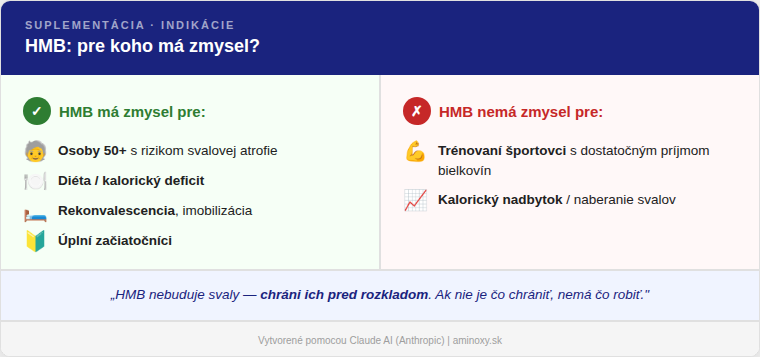
Where HMB works best:
Individuals over 50 prone to muscle atrophy (sarcopenia - the natural loss of muscle with age).
During a caloric deficit or intense dieting.
Immobilization (prolonged bed rest/inactivity), recovery from illness or surgery.
Complete beginners in resistance training.
Where HMB does not work:
Experienced strength athletes with adequate protein intake—the effect is minimal to zero.
Building muscle mass in a caloric surplus in trained individuals.
💡 Practical note: The recommended dose is 3 g daily, split into two servings. HMB is relatively expensive, and for trained athletes with proper nutrition, it offers minimal benefit. High-quality protein and leucine provide much greater value at a fraction of the cost. |
Created by Claude AI (Anthropic)
D-Aspartic Acid (DAA) DAA is an amino acid naturally found in the brain and reproductive tissues. The theory goes like this: DAA in the testes triggers a chain reaction that results in more raw material—cholesterol—entering the testosterone production line. Put simply: DAA could theoretically "fuel" the testosterone manufacturing process.
Initial interest: A study by Topo E et al. (2009 - Reprod Biol Endocrinol) noted a 42% increase in testosterone in infertile men with low testosterone levels following 12 days of supplementing 3 g of DAA daily. This figure became the foundation for marketing campaigns.
Subsequent research complicated the picture:
Study by Willoughby DS & Leutholtz B (2013 - Nutr Res) on resistance-trained men with normal testosterone levels: zero effect from DAA after 28 days.
Study by Melville GW et al. (2015 - J Int Soc Sports Nutr) on experienced trained men:
3 g/day: no effect
6 g/day: testosterone dropped by 12.5% and free testosterone dropped by 15.3%
A long-term RCT by Melville GW et al. (2017 - PLOS ONE) confirmed: 3 months of DAA supplementation yielded no changes in testosterone or training outcomes.
Brainum J. (Applied Metabolics, May 2015): "DAA may slightly help men with genuinely low testosterone levels. For healthy, trained men with normal levels, the effect is zero—or at higher doses, even the opposite of what was expected."
Apigenin and Luteolin
Apigenin and luteolin are flavones—plant polyphenol compounds. Apigenin is found in parsley, celery, chamomile, and citrus fruits; luteolin is found in many vegetables, fruits, and herbs.
Mechanisms of interest regarding testosterone:
The human body utilizes an enzyme called aromatase, which converts a portion of testosterone into estrogen—this is normal in men, but undesirable in excess. Both flavones slow this enzyme down in laboratory tests, which theoretically could leave more testosterone in circulation. Furthermore, apigenin has been shown in cellular assays to limit the binding of testosterone to SHBG—a protein that "nets" and blocks testosterone in the blood, rendering it inactive. Less blocked testosterone means more free, active testosterone.
The reality of the research: All of this has only been demonstrated in laboratories on isolated cells, not on living humans. So far, no controlled human study has confirmed that consuming apigenin or luteolin actually alters a person's hormonal profile.
Apigenin is also of interest in other contexts—as an anti-inflammatory agent and in aging research. This is where active scientific interest is currently focused.
Conclusion: Fascinating mechanisms, but lacking human evidence for a hormonal effect. Foods rich in these flavones make sense for overall health.

Resveratrol
Resveratrol is a stilbenoid—a plant polyphenol produced as a defense against fungi and predators. It is found in grapes, peanuts, berries, and red wine. However, there is an absorption issue: only about 14% of a resveratrol dose is absorbed, and the majority is immediately converted into other compounds in the liver. This makes its effects much harder to predict.
For sports and muscles:
Resveratrol activates mTOR and Akt —two "growth switches" in muscle cells—and slows down catabolic pathways (the processes by which the body breaks down muscle tissue). This can result in greater muscle mass growth, technically known as hypertrophy. Animal studies have shown increased muscle thickness following high doses.
One study on older adults (Alway SE et al. (2017 - J Gerontol)) monitored the effect of 500 mg of resveratrol daily for 12 weeks, combined with resistance training in men and women aged 65–80. Participants taking resveratrol exhibited greater muscle fiber growth and higher muscle stem cell activity compared to the exercise-only group.
However, another study (Gliemann L et al. (2013 - J Physiol)) issued a warning: resveratrol blunted the positive effects of exercise training on blood pressure, cholesterol, and maximal oxygen uptake in older men. Exercise itself produces free radicals—and that is not necessarily bad news. These radicals act as a signal to the body: "adapt, get stronger." As a potent antioxidant, resveratrol neutralizes these radicals. If you take it too close to your workout window, you might inadvertently suppress the very processes you were exercising to trigger.
Brainum J. (Applied Metabolics, November 2025) recommends doses of no more than 150 mg, and taking them far away from training times.
L-Citrulline
L-citrulline and its effects on performance are among the best documented in this entire series of supplements. It is a non-essential amino acid that the body converts into arginine—which is then converted into nitric oxide (a gas that dilates blood vessels and improves blood flow to the muscles during exercise).
Why not just take arginine directly? The enzyme arginase in the liver breaks down 40-60% of arginine before it ever reaches the bloodstream. It's like filling a bucket with a hole in it: most of it drains away before it gets anywhere. Citrulline bypasses this trap; the liver does not metabolize it, and almost all of it enters the bloodstream.
A key study by Pérez-Guisado J & Jakeman PM (2010 - J Strength Cond Res) using 8 g of citrulline malate showed: 52% more repetitions in the bench press during the 4th set compared to a placebo, and 40% less muscle soreness at 24 and 48 hours post-workout.
Citrulline Malate vs. Pure L-Citrulline: Citrulline malate is citrulline chemically bound to malic acid (malate), which plays a role in the Krebs cycle (the process by which cells produce energy). The vast majority of clinical research has been conducted with this specific form. Citrulline malate contains approximately 57% citrulline and about 43% malate, meaning a 6 g dose of citrulline malate gives you roughly 3.4 g of pure citrulline.
Brainum J. (Applied Metabolics, 2021) confirms: "Citrulline is significantly more effective at producing nitric oxide than arginine, precisely because it bypasses liver metabolism."
Effective dose: 6–8 g of citrulline malate or 3–6 g of pure L-citrulline, 60 minutes before training.
TIP: For those seeking maximum pump and pre-workout performance, Kamikadze Extreme Pre-Workout by Aminoxy contains a combination of citrulline malate, caffeine, and cognitive enhancers in one formula.
Sea Moss (Irish Moss, Chondrus crispus)
Sea moss, or Irish moss, is a red algae that grows on the rocky coasts of the North Atlantic. It contains a decent amount of minerals like iodine, calcium, magnesium, and potassium, as well as taurine (an amino acid important for muscle function) and fiber. In the supplement world, it is marketed with a slew of claims: immune support, thyroid support, gut health, workout recovery, and even testosterone boosting.
What the research says:
A systematic review by Brown ES et al. (2014 - Nutr Rev) evaluated studies on algae, including Chondrus crispus: there are certain benefits for health markers (inflammation, lipids), but the majority of the research has been conducted on cells or animals, and human data remains limited.
One small clinical study (Palmieri B et al. (2018 - Asian J Med Sci, https://doi.org/10.3126/ajms.v9i6.20978)) on 80 individuals noted a reduction in fatigue and musculoskeletal complaints. However, the methodology was weak, and performance effects cannot be derived from it.
For muscle hypertrophy, strength, or hormonal levels, there simply are no controlled human studies to date. Sea moss is a nutritional addition, not a performance supplement.
💡 Sea Moss may contain heavy metals (arsenic, mercury, lead) from contaminated waters. Always purchase products with a quality certificate and heavy metal analysis. |
Created by Claude AI (Anthropic)
Summary
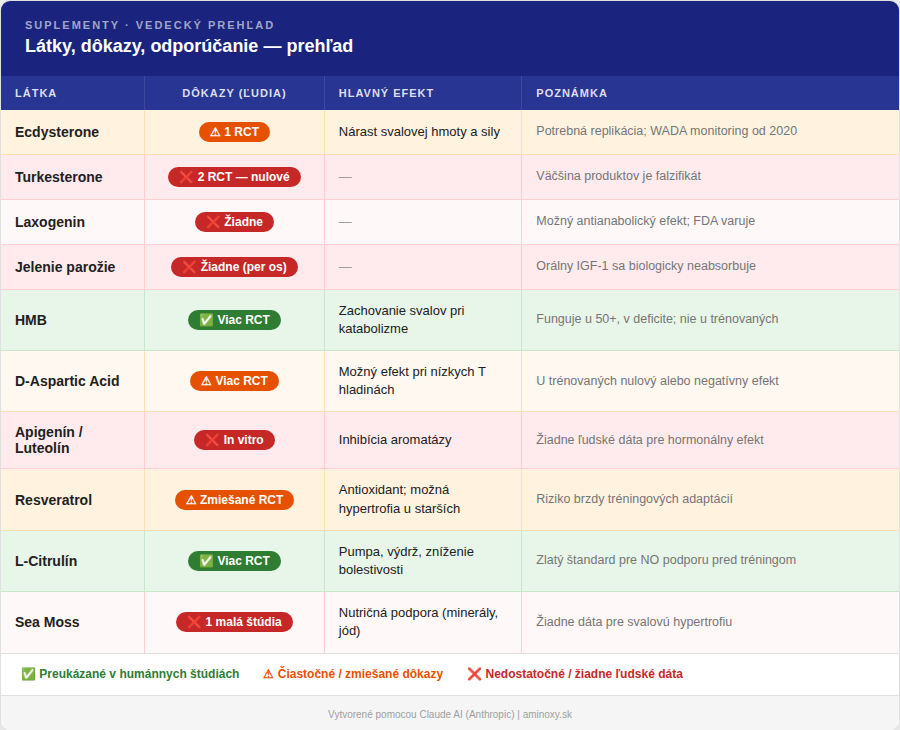
Common pattern: Most of these substances work most reliably where a deficit exists. For a healthy, well-nourished, and trained athlete, their benefits are limited. |
Conclusion
Ecdysterone is neither another baseless fitness fad nor a definitive answer. It sits on the borderline—one independent study is not enough to draw final conclusions, but it is enough to mean we shouldn't ignore it. The other substances in this group show a similar pattern. Some possess promising mechanisms but lack human evidence. Others demonstrate a clear effect, but only in very specific situations.
Turkesterone is currently the best example of how a marketing narrative can completely outpace the science. Conversely, L-citrulline: a humble amino acid with solid evidence and no unnecessary fanfare.
Natural Support for Performance and Hormonal Balance: What Aminoxy Offers
If you are looking for supplements built on plant-based ingredients with transparent formulations, you will find several products in the Aminoxy eshop:
T-1000 TESTO EXTREME - A complex formula combining Tribulus terrestris with ecdysterone and other ingredients like zinc, vitamin D3, and apigenin. The Tribulus in this product is standardized for protodioscin—the active ingredient referenced in clinical studies showing positive effects on IGF-1 and libido.
Natural Biosteron - A natural complex based on multiple plant extracts, including Tribulus, ecdysterone, and rhodiola. Suitable as long-term support for those interested in naturally optimizing their hormonal environment. Note: Natural Biosteron falls into the "for professional use" category—it is not a standard dietary supplement.
Super PCT III - A product focused on supporting hormonal balance and recovery following intensive training cycles. It contains active ingredients like Mucuna pruriens (L-DOPA - a dopamine precursor), Tribulus terrestris, Ashwagandha, and Fadogia Agrestis.
Kamikadze Extreme Pre-Workout - For maximum pump and pre-workout performance—contains citrulline malate, caffeine, and cognitive enhancers (substances supporting focus and mental performance).
Natural Deer Antler Velvet Extract (IGF-1) - Contains deer antler extract rich in minerals, glycosaminoglycans (substances supporting joint cartilage), and growth factors. As explained in the article, oral IGF-1 is broken down in the digestive tract before entering the blood—therefore, we recommend viewing this product as support for joints and connective tissue regeneration, not as an anabolic.
Important Notice: The information in this article is intended strictly for educational purposes. It does not constitute medical advice, nor is it a recommendation for specific substances. Before taking any supplements— especially if you have health conditions or are taking medication—consult your procedure with a doctor or pharmacist.
Read Other Articles in This Series
Plant-Based Substances and Performance: Facts Over Marketing - Series introduction: what phytochemicals are, how extracts differ from isolated compounds, and why these substances are used in sports at all.
Tribulus terrestris: Effects, Myths, and Scientific Facts - The plant with the longest reputation in this field, and also one of the best researched. What is its real impact on testosterone? The answer might surprise you.
Peruvian Maca: Effects, Uses, and Potential Risks - A Peruvian superfood with real support for libido and fertility, but zero effect on testosterone. What are the takeaways, and who is maca actually for?
Zinc: Effects, Usage, and Common Mistakes - A crucial mineral for testosterone, immunity, and muscle function. When does supplementation help, and when does it not? It all depends on whether you have a deficiency.
Sources
Isenmann E, Ambrosio G, Joseph JF et al. Ecdysteroids as non-conventional anabolic agent: performance enhancement by ecdysterone supplementation in humans. Arch Toxicol. 2019;93(7):1807–1816. DOI: 10.1007/s00204-019-02490-x | PubMed 31123801
Parr MK, Botrè F, Naß A, Hengevoss J, Diel P, Wolber G. Ecdysteroids: A novel class of anabolic agents? Biol Sport. 2015;32(2):169–173. DOI: 10.5604/20831862.1144420 | PubMed 26060342
Antonio J, Rojas J, Curtis J et al. A Preliminary Investigation of Turkesterone: It's Not Deca. Research in Health and Medicine. 2024;4(1). researchdirects.com
Harris DR, Chapman-Lopez T, Machek SB et al. The Effects of Multiple Acute Turkesterone Doses on Indirect Measures of Hypertrophy and Metabolic Measures. Muscles. 2024;3(4):364–375. DOI: 10.3390/muscles3040031 | PubMed 40757520
Beer C, Keiler AM. Androgenic properties of the dietary supplement 5α-hydroxy-laxogenin. Arch Toxicol. 2022;96(7):2139–2142. DOI: 10.1007/s00204-022-03283-5 | PMC 9151512 | PubMed 35344071
Ahmad SS, Lim JH, Ahmad K, Chun HJ, Hur SJ, Lee EJ, Choi I. The Effects of Laxogenin and 5-Alpha-hydroxy-laxogenin on Myotube Formation and Maturation During Cultured Meat Production. Int J Mol Sci. 2025;26(1):345. DOI: 10.3390/ijms26010345 | PMC 11720223
Derwand R et al. Effects of the Dietary Supplement 5α-Hydroxy-Laxogenin in the Orchiectomized Rat Model. Drug Test Anal. 2025. DOI: 10.1002/dta.3881
Cheng WJ, Yang HT, Chiang CC, Lai KH, Chen YL, Shih HL, Kuo JJ, Hwang TL, Lin CC. Deer Velvet Antler Extracts Exert Anti-Inflammatory and Anti-Arthritic Effects on Human Rheumatoid Arthritis Fibroblast-Like Synoviocytes and Distinct Mouse Arthritis. Am J Chin Med. 2022;50(6):1617–1643. DOI: 10.1142/S0192415X22500689 | PubMed 35850642
USADA. Illegal Ingredient, 5-Alpha-Hydroxy-Laxogenin, Appearing in More Supplements. 2025. usada.org
Guha N, Nevitt SP, Francis M, Woodland JA, Böhning D, Sönksen PH, Holt RIG. The effects of recombinant human insulin-like growth factor-I/insulin-like growth factor binding protein-3 administration on body composition and physical fitness in recreational athletes. J Clin Endocrinol Metab. 2015;100(8):3126–3131. DOI: 10.1210/jc.2015-1996 | PubMed 26046967
Nissen SL, Sharp RL. Effect of dietary supplements on lean mass and strength gains with resistance exercise: a meta-analysis. J Appl Physiol. 2003;94(2):651–659. DOI: 10.1152/japplphysiol.00563.2003
Jakubowski JS, Nunes EA, Teixeira FJ et al. Supplementation with the Leucine Metabolite β-hydroxy-β-methylbutyrate (HMB) does not Improve Resistance Exercise-Induced Changes in Body Composition or Strength in Young Subjects. Nutrients. 2020;12(5):1523. DOI: 10.3390/nu12051523 | PubMed 32456217
Lin Z, Zhao Y, Chen Q. Effects of Oral Administration of β-Hydroxy β-Methylbutyrate on Lean Body Mass in Older Adults: A Systematic Review and Meta-Analysis. Eur Geriatr Med. 2021;12(2):239–251. DOI: 10.1007/s41999-020-00409-9 | PubMed 33034021
Topo E, Soricelli A, D'Aniello A, Ronsini S, D'Aniello G. The role and molecular mechanism of D-aspartic acid in the release and synthesis of LH and testosterone in humans and rats. Reprod Biol Endocrinol. 2009;7:120. DOI: 10.1186/1477-7827-7-120 | PubMed 19860889
Willoughby DS, Leutholtz B. D-Aspartic acid supplementation combined with 28 days of heavy resistance training has no effect on body composition, muscle strength, and serum hormones in resistance-trained men. Nutr Res. 2013;33(10):803–810. DOI: 10.1016/j.nutres.2013.07.010 | PubMed 24074738
Melville GW, Siegler JC, Marshall PWM. Three and six grams supplementation of d-aspartic acid in resistance trained men. J Int Soc Sports Nutr. 2015;12:15. DOI: 10.1186/s12970-015-0078-7 | PubMed 25844073
Melville GW, Siegler JC, Marshall PWM. The effects of d-aspartic acid supplementation in resistance-trained men over a three month training period: A randomised controlled trial. PLOS ONE. 2017. DOI: 10.1371/journal.pone.0182630 | PubMed 28841667
Gliemann L, Schmidt JF, Olesen J, Biensø RS, Peronard SL, Grandjean SU, Mortensen SP, Nyberg M, Bangsbo J, Pilegaard H, Hellsten Y. Resveratrol blunts the positive effects of exercise training on cardiovascular health in aged men. J Physiol. 2013;591(20):5047–5059. DOI: 10.1113/jphysiol.2013.258061 | PubMed 23878368
Alway SE, McCrory JL, Kearcher K et al. Resveratrol enhances exercise-induced cellular and functional adaptations of skeletal muscle in older men and women. J Gerontol A Biol Sci Med Sci. 2017;72(12):1595–1606. DOI: 10.1093/gerona/glx089 | PubMed 28505227
Pérez-Guisado J, Jakeman PM. Citrulline malate enhances athletic anaerobic performance and relieves muscle soreness. J Strength Cond Res. 2010;24(5):1215–1222. DOI: 10.1519/JSC.0b013e3181cb28e0
Brown ES, Allsopp PJ, Magee PJ et al. Seaweed and human health. Nutr Rev. 2014;72(3):205–216. DOI: 10.1111/nure.12091 | PubMed 24697280
Palmieri B, Vadalà M, Laurino C. Clinical effects of overwintered-stressed Chondrus crispus and non-overwintered-stressed Chondrus crispus dietary supplementations. Asian J Med Sci. 2018;9(6):7–13. DOI: 10.3126/ajms.v9i6.20978
Brainum J. Please Bug Me: Do Insect Hormones Help Build Larger Muscles? Applied Metabolics Newsletter. September 2019. appliedmetabolics.com
Brainum J. The Final Nail in the D-Aspartic Acid Coffin. Applied Metabolics Newsletter. May 2015. appliedmetabolics.com
Brainum J. The Effects of IGF-1 in Athletes: The First Published Study and What It Shows. Applied Metabolics Newsletter. July 2015. appliedmetabolics.com
Brainum J. More Than Just Protein: Anabolic Supplements to Help Build Muscle. Applied Metabolics Newsletter. November 2025. appliedmetabolics.com
Brainum J. Testosterone-Boosting Supplements: How They Work and Do They Work? Applied Metabolics Newsletter. March 2025. appliedmetabolics.com
Brainum J. Arginine Versus Citrulline: Which is Superior to Nitric Oxide Synthesis? Applied Metabolics Newsletter. 2021. appliedmetabolics.com