
Tribulus terrestris: Effects, Myths, and Scientific Facts
Tribulus terrestris is likely the most well-known herbal supplement associated with testosterone in the world, and at the same time, one of the most debated. Decades of traditional use, hundreds of studies, and a still-open question: does Tribulus increase testosterone or not? The answer is not simple, but that makes it all the more interesting.
If you are interested in how this supplement actually works, what its mechanism of action is, and what scientific research has to say, read on. Do not miss the second part of this article, where we focus on other plant-based substances associated with male vitality and performance, such as Tongkat Ali, Fenugreek, Shilajit, and Mucuna pruriens.
Tribulus terrestris
What is Tribulus terrestris
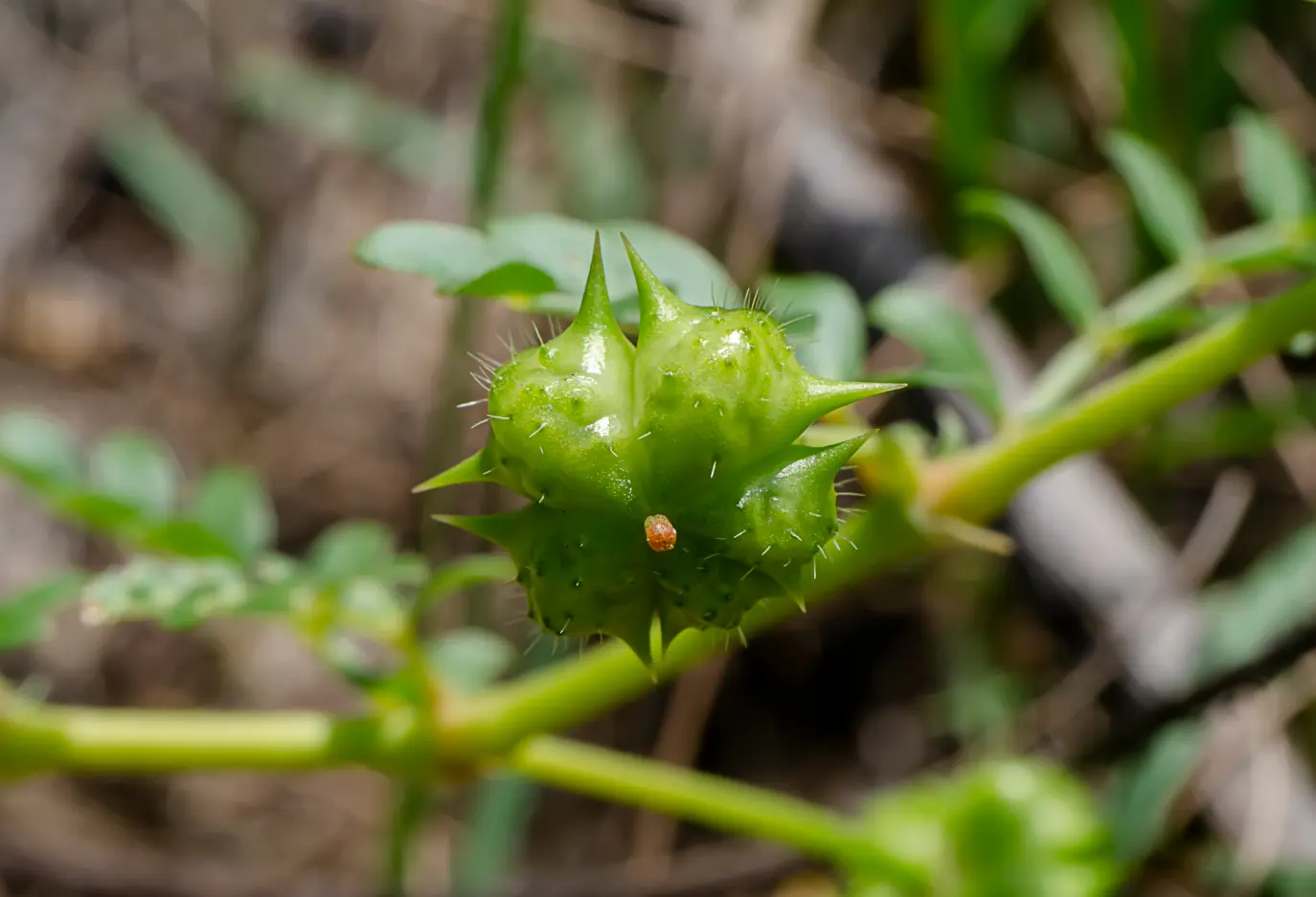
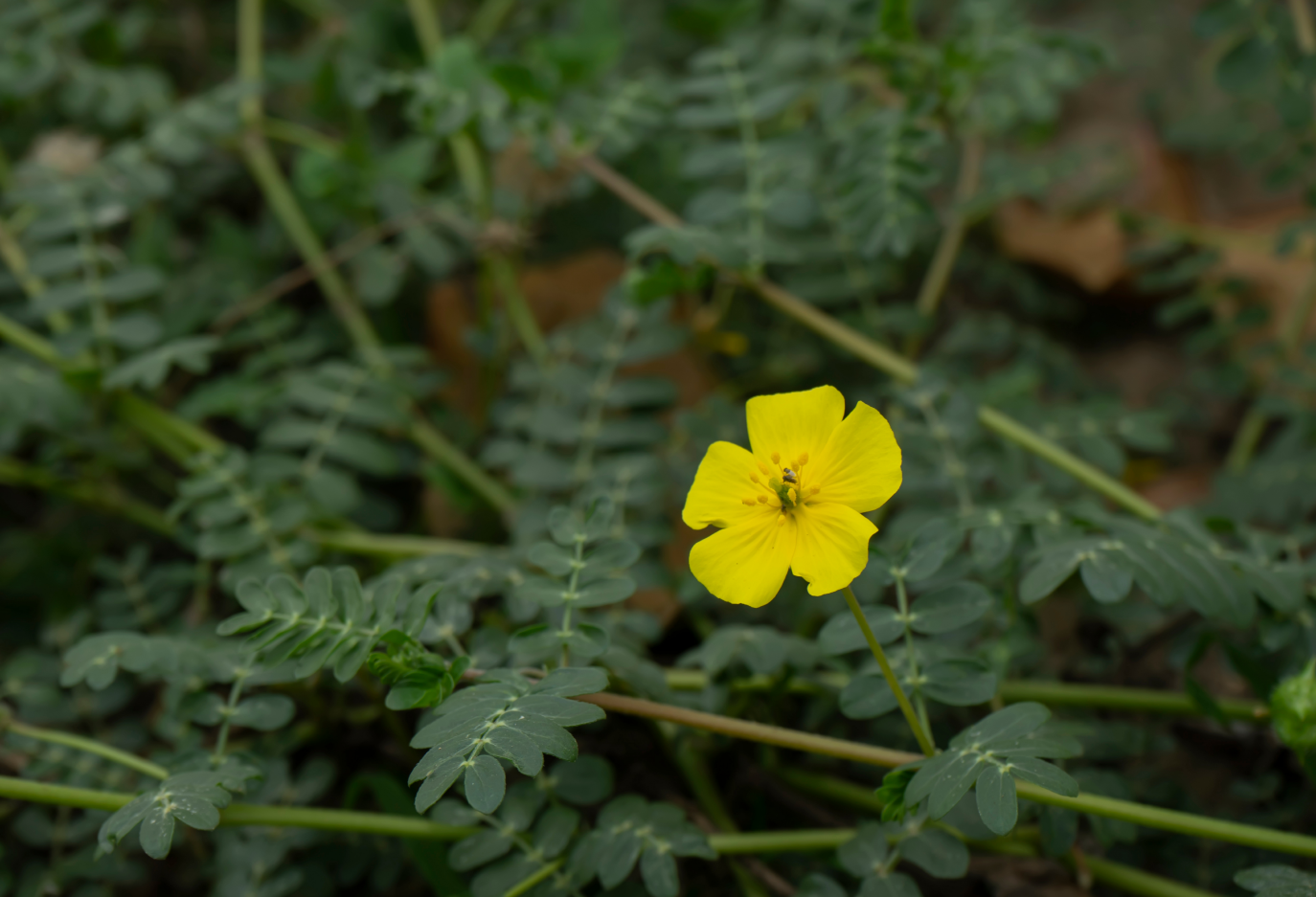
Tribulus terrestris is an annual plant widespread in the warm regions of Europe, Asia, Africa, and the Americas. In traditional Ayurvedic medicine, it has been used for centuries, primarily to support male vitality and sexual function. In Bulgaria and Turkey, it gained a reputation as an aphrodisiac. This is due to observations of wild rams that consumed Tribulus while grazing and subsequently exhibited significantly increased sexual activity.
The biologically active components of Tribulus are steroidal saponins. These are plant compounds whose chemical structure distantly resembles human steroid hormones such as testosterone or estrogen. However, structural similarity alone does not automatically mean that these substances have the same effects in the human body. The most important saponin in Tribulus terrestris is protodioscin. Other components include flavonoids (natural antioxidants), alkaloids, amino acids, and vitamin C.
💡 Saponin content matters. Scientists from the Bulgarian Academy of Sciences have demonstrated (Dinchev et al., 2008 — Phytochemistry, PubMed) that the content of key saponins - including protodioscin - varies significantly among geographical varieties of Tribulus. This very difference in chemical composition partially explains why the results of different studies diverge so significantly. High-quality products therefore state standardization for furostanol saponins, not just the total saponin content. |
Tip: Are you looking for Tribulus standardized to protodioscin? Aminoxy offers Liposomal Tribulus Terrestris containing 40% protodioscin in liposomal form. You can find other products containing Tribulus in the product section at the end of the article.
Tribulus terrestris: Effects According to Research
What the studies say — and why the answer isn't simple
This is the central question that divides both the research community and users. The picture painted by the scientific literature is contradictory, and that is exactly why it is worth taking a closer look.
Several systematic reviews have reached a cautious conclusion: Qureshi et al. (2014 — J Diet Suppl, PubMed) analyzed 11 studies and noted contradictory results. A more recent systematic review by Vilar Neto et al. (2025 — Nutrients, PubMed) covering 483 men in 10 clinical studies pointed out that almost half of the included studies had low methodological quality.
Studies that did not show an effect of Tribulus on testosterone:
Neychev & Mitev (2005 — J Ethnopharmacol, PubMed): At a dose of both 10 mg/kg and 20 mg/kg in healthy men, there was no increase in testosterone or LH (luteinizing hormone).
Rogerson et al. (2007 — J Strength Cond Res, PubMed): 5 weeks of supplementation (450 mg/day) in rugby players — no change in testosterone or strength.
Antonio et al. (2000 — Int J Sport Nutr Exerc Metab, PubMed): 8 weeks in resistance-trained men — no change in testosterone or body composition.
Santos et al. (2014 — Actas Urol Esp, PubMed): A randomized, double-blind study in 30 men with erectile dysfunction: no difference vs. placebo.
On the other hand — there is also data suggesting a positive effect:
GamalEl Din et al. (2019 — Urologia, PubMed): In 70 older men with partial androgen deficiency (age-related insufficient production of male hormones), Tribulus significantly increased total testosterone after 3 months.
Gauthaman et al.: In primates, a 52% increase in testosterone was observed after intravenous administration of the extract — although intravenous administration and oral supplementation (capsules/tablets) are diametrically different delivery methods.
Tip: Do you want to know what your actual testosterone level is? Read: How to Determine Your Testosterone Level: A Guide for Hormonal Detectives
IGF-1 and Performance: A Surprising New Mechanism
The most interesting findings about Tribulus were brought by the study by Ma, Guo & Wang (2017 — Journal of Sport and Health Science, PubMed). In it, 15 trained boxers received Tribulus at a dose of 1,250 mg/day during a 10-week training protocol (two 3-week high-intensity phases with a break):
Testosterone, DHT (dihydrotestosterone — another male hormone), and total IGF-1 levels did not change.
Despite this, both anaerobic performance and muscle strength improved.
Markers of muscle damage were significantly lower — specifically creatine kinase, an enzyme released into the blood when muscle fibers are damaged. The lower its level, the less damage occurs, and the faster the recovery.
Tip: The natural IGF-1 extract from deer antler, Anabolic Deer, contains naturally occurring IGF-1 and growth factors — via a mechanism distinct from the IGFBP-3 pathway of Tribulus, but with a potentially synergistic effect on recovery.
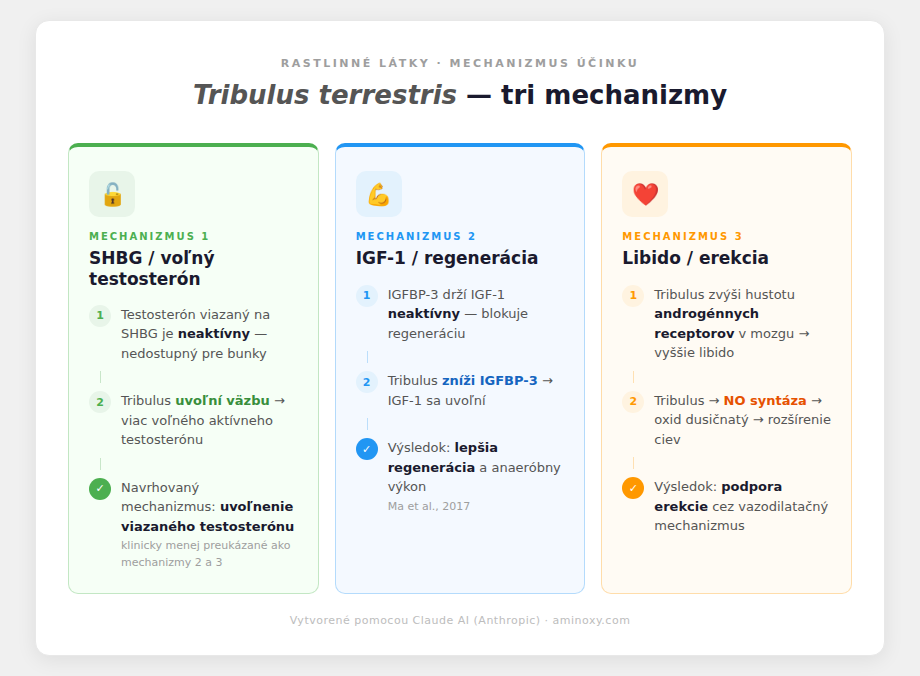
So, what happened? The key was a decrease in IGFBP-3. To explain it simply: IGF-1 is a cellular growth hormone — it promotes the synthesis of muscle proteins and limits their breakdown. In the blood, however, most IGF-1 is not free, but "bound" to a transport protein, IGFBP-3. When IGF-1 is bound to this protein, it cannot act. It is like a car in an impound lot — physically present, but parked and stationary.
Tribulus did not increase the total amount of IGF-1, but it decreased the amount of IGFBP-3 — whereby more IGF-1 was "liberated" and could freely act on the muscles. The result was better recovery and higher performance — without any change in testosterone. This mechanism also explains why some older studies noted better recovery or performance despite testosterone remaining unchanged.
Created using Claude AI (Anthropic)
Libido and Sexual Function
In this area, Tribulus shows more consistent results than in the case of increasing testosterone. The mechanism, however, is not hormonal — the plant works in two ways:
It increases the density of androgen receptors in the brain — which are essentially signal receivers for male hormones. More receptors mean the brain perceives existing androgens more sensitively, and this manifests as higher libido, even if the testosterone level itself does not change.
It supports the synthesis of nitric oxide (NO) — a molecule that dilates blood vessels and is essential for achieving and maintaining an erection.
A study by Kamenov et al. (2017 — Maturitas, PubMed) on 180 men with erectile dysfunction demonstrated a significant improvement in sexual function. Studies in women with hypoactive sexual desire (persistently low libido) also suggest a benefit — including a randomized study by Akhtari et al. (2014 — Daru, PubMed) on premenopausal women.
Other Documented Effects
Besides potential effects on performance and libido, Tribulus also demonstrates other effects in preclinical (laboratory) and some clinical studies (conducted on humans). These studies indicate a cardioprotective (heart-protecting), mild diuretic (promoting urine production), and antihypertensive (mildly blood pressure-lowering) effect — although not yet verified in human clinical trials.
Summary
|
Tribulus terrestris — Dosage
Studies that found positive results on performance used significantly higher doses than most of the older negative studies:
Goal / Group | Dose | Note |
Libido / sexual function | 250–750 mg/day | 3x a day with meals |
Performance / recovery | 1,000–1,500 mg/day | Divided into 2–3 doses |
Testosterone support (deficit) | 750 mg/day (3 months) | Only with a proven deficit |
How to take Tribulus terrestris depends primarily on your goal — for performance, we recommend higher doses (1,000–1,500 mg/day); for libido support, 250–750 mg is sufficient, ideally divided into 2–3 doses with meals.
Tribulus is usually taken in cycles — e.g., 8–12 weeks followed by a break, although the optimal length has not been scientifically established. Short-term use (5–20 days) in studies did not show a major effect.
Tip: In our series on plant-based substances, the article on zinc covered the ZMA protocol (zinc + magnesium + vitamin B6). Combining Tribulus with zinc may have a synergistic effect in supporting testosterone in men with a deficit of both substances.
Side Effects of Tribulus terrestris and Limits of Efficacy
At recommended doses (250–1,500 mg/day), Tribulus is generally well-tolerated. Recorded side effects include:
Digestive issues (nausea, cramps) — reported in some studies on women and at higher doses.
Mild increase in liver enzymes — noted in one study on men (GamalEl Din et al., 2019 — Urologia, PubMed); these are biochemical markers that doctors monitor for liver stress.
More serious risks appeared with significant overdosing. A case documented in medical literature (Mohy-ud-din & Jonassaint, 2024 — ACG Case Rep J, PubMed) describes severe liver and kidney damage after extremely high doses. Overdosing was also associated with liver inflammation and kidney failure. At recommended doses, these risks remain hypothetical, but the rule still applies: natural does not automatically mean safe in any quantity.
💡 One curious case from the medical literature (Campanelli et al., 2016 — Int J Impot Res, PubMed): a 36-year-old man developed severe priapism—a painful erection lasting 5 hours that requires medical intervention—after 15 days of supplementing with Tribulus for erectile dysfunction. This case is isolated in the literature, and the product was not analyzed for contamination. However, it demonstrates that the effect of Tribulus on nitric oxide (NO) synthesis is not negligible. |
Main limitations of efficacy — why there is no clear conclusion
Why are the research results for Tribulus so contradictory? Here are the main reasons:
Quality of raw materials: Studies using non-standardized forms of Tribulus without a defined protodioscin content consistently yield negative results.
Dosage: Older studies used doses that were far too low (200–450 mg)—significantly lower than the effective dose demonstrated in the study with boxers (1,250 mg).
Population: Healthy young men with normal testosterone levels are likely the group where Tribulus will not show an effect—the effect appears to be corrective rather than supranormal (i.e., it does not exceed the natural upper limit).
Short duration: Many studies lasted only 5–28 days, which is insufficient to demonstrate significant hormonal changes.
Small sample sizes: Some studies involved only 2–22 participants, which is scientifically insufficient for drawing reliable conclusions.
Summary
|
Other Herbal Substances for Supporting Vitality
Tribulus is just one of many herbal substances that traditional medicine and modern research associate with male vitality and performance. The following four compounds each have their own mechanism, their own scientific support—and their own limitations. We present them without hype: just facts, dosages, and context.
Tongkat Ali (Long Jack) — Eurycoma longifolia
Tongkat Ali, botanically known as Eurycoma longifolia, is a root extract originating from the rainforests of Malaysia, Indonesia, and Southeast Asia. In this region, it has been used for centuries to treat fatigue, low libido, and male vitality. Today, it is one of the few herbal supplements backed by actual clinical research in humans.
How does it work?
To explain the mechanism of Tongkat Ali, we must first mention one thing about testosterone: most of the amount circulating in the blood is not "free." It is bound to a protein called SHBG (Sex Hormone-Binding Globulin) - imagine it as testosterone locked in a compartment. Bound testosterone cannot act on cells. Only "free" testosterone - the kind without the lock - is biologically active.
Tongkat Ali acts through several pathways simultaneously:
Detaches testosterone from SHBG — It "unlocks" the aforementioned compartment, releasing more active testosterone, even if total production remains the same.
Inhibits aromatase — This is the enzyme that converts testosterone into estrogen. It is like closing a valve through which testosterone drains away. Less loss means more remains.
Stimulates LH and FSH — Hormones from the pituitary gland (a small gland in the brain) that signal the testes to produce testosterone and sperm.
Reduces cortisol — The stress hormone that has an inverse relationship with testosterone: when cortisol rises, testosterone falls. Tongkat Ali helps alleviate this pressure.
What the research says
A systematic review by Leisegang et al. (2022 — Medicina, PubMed) confirmed that Tongkat Ali increases testosterone in men - especially those with lower baseline levels. Several studies are consistent:
76 men with low testosterone levels took 200 mg/day for 1 month - by the end, 90.8% of them had testosterone back within the normal range. This study is among the most cited in the Leisegang et al. (2022) review.
109 men (aged 30–55) taking 300 mg/day for 12 weeks: sperm volume increased by an average of 18%, and motility by 44% (specifically in the subgroup with lower baseline values) - Ismail et al. (2012 — Evid Based Complement Alternat Med, PubMed).
💡 Important context: Tongkat Ali does not function like an anabolic steroid — it will not increase testosterone above the physiological maximum. It works more as a support for those whose levels have fallen below the norm: older men, men under chronic stress, or men with a sedentary lifestyle. Jerry Brainum summarized it in Applied Metabolics (2026) as follows: Tongkat Ali will not exceed your natural ceilings, but it will help if you are below them. |
Form | Dose | Note |
Hot water extract 100:1 | 200–400 mg/day | The best-researched form |
Standardized to eurycomanone | 200–600 mg/day | Eurycomanone is the key active substance — check the content |
Whole root powder | Not recommended | Uncontrolled content of active substances |
Safety
Tongkat Ali has a good safety profile at recommended doses. The toxic dose is orders of magnitude higher than standard supplementation. Isolated reports of liver damage concerned exclusively extreme overdosing by bodybuilders.
Beware of counterfeits: A Malaysian analysis of 41 products found that only 24 contained the key active substance eurycomanone at all—and only 11 in the recommended amount. If Tongkat Ali does not taste bitter, it is likely not an original product.
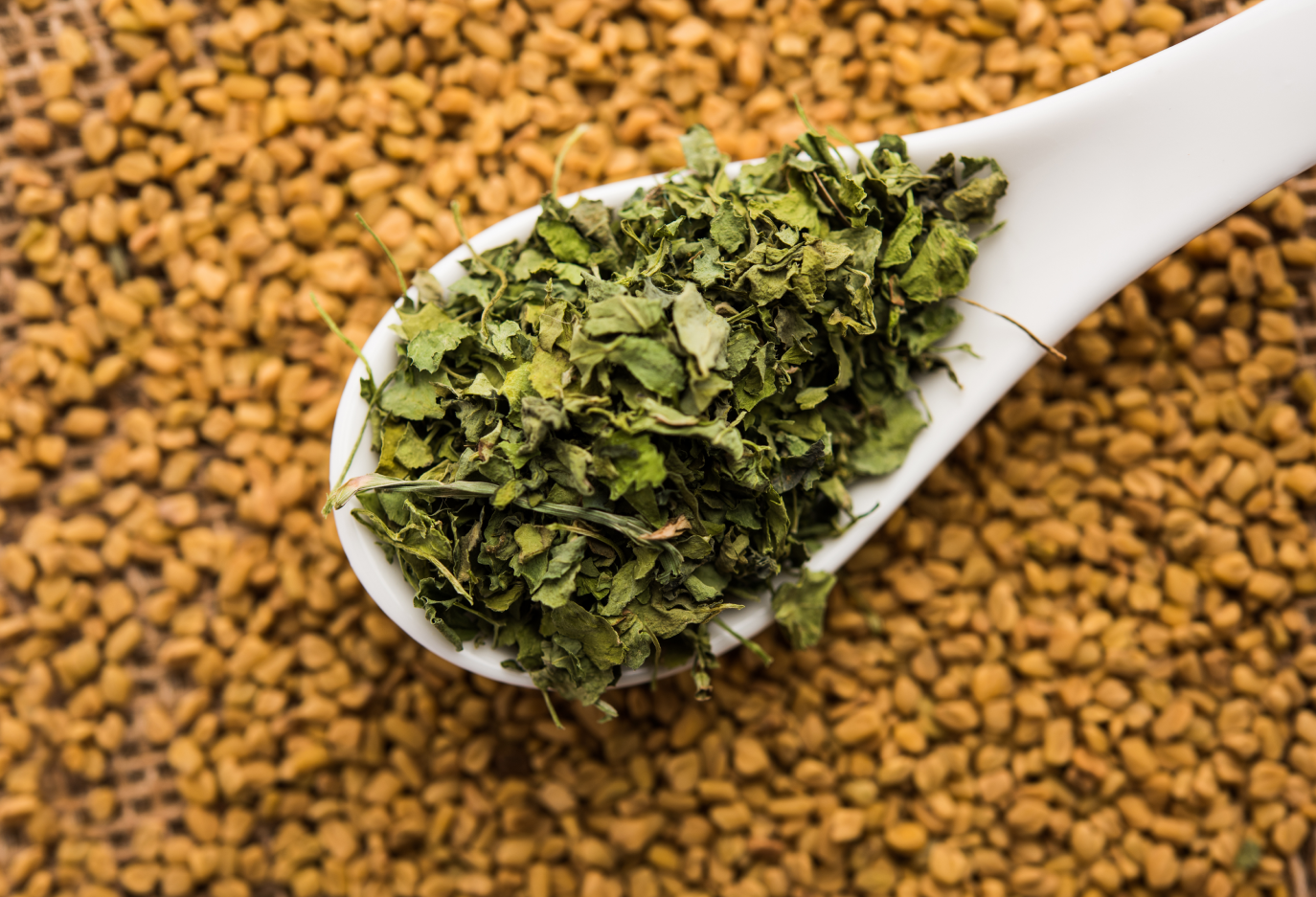
Fenugreek — Trigonella foenum-graecum
Fenugreek is an herb with a long history of traditional use in both Ayurvedic and Arabic medicine - used for blood sugar regulation, lactation support, and male vitality. In recent years, it has gained a place in sports nutrition as a potential supplement for testosterone and body composition.
How does it work?
Fenugreek contains several active substances, each functioning slightly differently:
Furostanol saponins — Their structure is similar to steroid hormones. They can inhibit the enzymes that break down testosterone or convert it into other substances.
4-hydroxyisoleucine — A unique amino acid not found in any other plant. It helps the body respond better to insulin—which can be compared to cells "stopping being deaf" to its signal and starting to listen again. This has a direct impact on blood sugar levels and how the body manages energy.
Inhibition of 5α-reductase and aromatase — These are two enzymes that "consume" testosterone: one converts it into DHT (another male hormone), the other into estrogen. Dampening them means more testosterone remains in circulation.
What the research says
A meta-analysis by Mansoori et al. (2020 — Phytother Res, PubMed) demonstrated a statistically significant effect of fenugreek on total testosterone. A 2023 systematic review focusing on male athletes noted a small but consistent effect on testosterone (both total and free), muscle mass, and performance.
(Steels et al. (2011 — Phytother Res, PubMed): 600 mg/day for 6 weeks in 60 healthy men resulted in a significant increase in libido and sexual arousal. While testosterone levels remained within the reference range, the effect was evident.
(Wankhede et al. (2016 — J Sport Health Sci, PubMed): In a study involving resistance training 4x/week and 300 mg twice daily for 8 weeks, the fenugreek group achieved significantly greater fat loss and better leg press performance compared to the placebo group.
Several studies were sponsored by supplement manufacturers; this does not mean they are invalid, but it is a reason to read the results with caution. Independent studies on fenugreek are less numerous.
💡 Fenugreek and blood sugar. In addition to its potential effect on testosterone, fenugreek is among the best-documented plants for regulating blood sugar levels. Its unique amino acid, 4-hydroxyisoleucine, inhibits sharp spikes in blood sugar (glycemia) after meals—something appreciated not only by diabetics but by anyone seeking more stable energy throughout the day and better body composition. |
Goal | Dose | Note |
Testosterone / libido | 300–600 mg/day | Standardized glycoside extract |
Glycemic regulation | 500–1,000 mg/day | Consult if you have diabetes or take medication |
Overall vitality support | 500–600 mg/day | Divided into 2 doses with meals |
Safety
Fenugreek is generally well-tolerated. At higher doses, mild digestive issues may occur. An isolated case of pulmonary embolism (blood clot in the lungs) associated with a fenugreek-based supplement was described in 2017. This was likely an individual reaction of the body (Hejazi et al., 2017 — Am J Case Rep, PubMed).
Warning: Fenugreek may enhance the effect of blood thinners as well as diabetes medications. If you are taking these, consult your doctor.
Shilajit (Mumio) — Black Resin from Mountain Rocks
Shilajit (also called Mumio or Moomiyo) looks like black tarry mud and smells quite similar. Nevertheless (or perhaps because of it), Soviet sports scientists in the 1960s and 70s included it in the standard toolkit for elite athletes. It is formed over millions of years by the decomposition of plant matter under the pressure of mountain rocks in the Himalayas, Altai, and other mountain ranges. The result is a concentrate containing over 80 minerals and a group of substances called fulvic acids.
How does it work?
Shilajit is interesting because it acts like a tuning fork in the body, helping the entire "hormonal orchestra" play more harmoniously:
Fulvic acids — The main active component. They improve the function of mitochondria, the energy powerhouses of every cell. In simple terms: cells produce energy more efficiently, absorb nutrients better, and defend themselves more effectively against free radicals (unstable molecules that damage cells).
Protection of Leydig cells — These are the specific cells in the testes that produce testosterone. Shilajit reduces oxidative stress in their environment.
Modulation of the stress axis — The body has a stress management system (the hypothalamus–pituitary–adrenal axis). Chronic stress overloads it, causing testosterone to drop. Shilajit helps keep this system in balance.
What the research says
A key study is the randomized, double-blind, placebo-controlled trial by Pandit et al. (2016 — Andrologia, PubMed) - representing the highest possible quality of clinical study design. It followed 96 healthy men aged 45–55:
Dose: 250 mg of purified Shilajit twice daily for 90 days.
Results: A significant increase in total and free testosterone, as well as DHEAS (dehydroepiandrosterone sulfate, a precursor to sex hormones from the adrenal glands) compared to the placebo.
Hormonal Patterns: LH and FSH levels decreased slightly, which researchers interpret as a result of higher testosterone levels dampening the pituitary gland through feedback loops. This pattern suggests that Shilajit supports the body’s own production of testosterone in the testes.
The increase was statistically significant after 30, 60, and 90 days of treatment—with the effect increasing over time.
A second study by Biswas et al. (2010 — Andrologia, PubMed) focused on male fertility: 35 men with oligospermia (low sperm production) taking 500 mg/day for 90 days recorded a +37.6% increase in sperm count and a +61.4% increase in total sperm count compared to their baseline status.
💡 Shilajit and muscle fatigue. A study presented at the ISSN conference (Keller et al., 2018 — J Int Soc Sports Nutr, conference abstract) followed 30 active men (average age 23) for 8 weeks. The group taking 500 mg/day maintained muscle strength during stress tests better than both the low-dose group and the placebo group. Shilajit may therefore be interesting not only for hormonal support but also directly for performance and post-workout recovery. |
Form / Purpose | Dose | Note |
Purified extract | 250–500 mg 2x daily | Standardized to min. 50% fulvic acids |
Raw resin (unverified source) | Not recommended | Risk of heavy metals and contamination |
Verified resin form | 300–600 mg/day | Dissolve in warm water or milk |
Safety and Quality
Purified Shilajit has a good safety profile. The main risk lies elsewhere: low-quality products can contain heavy metals. The Canadian regulatory authority has banned several imported products from India specifically due to contamination. Before purchasing, always check if the manufacturer has a Certificate of Analysis (CoA)—a document issued by an independent laboratory regarding the product's composition.
Mucuna pruriens and L-Dopa
Mucuna pruriens, also called velvet bean or kapikachu in Ayurveda, is a tropical leguminous plant from India and Southeast Asia. While it may look unremarkable at first glance, its seeds contain something extraordinary: naturally occurring L-DOPA, the direct building block of dopamine.
Dopamine is known as the hormone of satisfaction and motivation, but it is also a key regulator of hormonal signals. This makes Mucuna an unconventional but mechanically interesting supplement.
How does it work?
Mucuna takes a different path than other plants—acting through the brain and nervous system:
L-DOPA is absorbed and crosses into the brain, where it is converted into dopamine. Dopamine then stimulates the hypothalamus - the control center for hormones - which sends a signal to the pituitary gland. The pituitary releases LH (luteinizing hormone), which instructs the testes to produce testosterone. It is a chain of command: Brain → Hypothalamus → Pituitary → Testes.
It lowers prolactin. Prolactin is a pituitary hormone that, at elevated levels, directly blocks testosterone production and can cause decreased sexual function in men. Dopamine and prolactin are natural antagonists - when one rises, the other falls.
It protects sperm from oxidative damage — Mucuna seeds contain antioxidants that reduce stress within the seminal environment.
What the research says
A clinical study by Shukla et al. (2009 — Fertil Steril, PubMed) followed 75 men with reduced fertility (compared to 75 healthy fertile men as controls) who took 5g of Mucuna powder daily for 3 months:
Significant increase in testosterone, LH, and dopamine.
Substantial increase in sperm count and improvement in motility.
Decrease in cortisol and prolactin levels — both of these hormones suppress the testosterone axis, so their decline is desirable.
A review article by Lampariello et al. (2012 — J Tradit Complement Med, PubMed) evaluated the anabolic potential of Mucuna - animal studies demonstrate androgenic effects, but direct evidence in healthy, fertile men is currently lacking.
💡 Mucuna and Parkinson’s Disease. Mucuna pruriens is primarily clinically researched in relation to Parkinson’s disease - a condition where dopamine-producing cells die off. Several randomized trials have shown that Mucuna powder manages motor symptoms comparably to the pharmaceutical drug L-DOPA/carbidopa. This is not an insignificant detail: it confirms that the L-DOPA from the plant is indeed absorbed and reaches the brain. This is the very same mechanism through which Mucuna can also influence the hormonal axis. |
Dosage and Form
Clinical fertility studies used 5 g of raw seed powder daily. For dietary supplementation, standardized extracts with a defined L-DOPA content are recommended:
Standardized extract (15–20% L-DOPA): 300–500 mg/day
Raw seed powder: 3–5 g/day — the seeds contain antinutrients (tannins, lectins); therefore, a heat-processed form is recommended.
Tip: Super PCT III combines three plant-based substances discussed in this article: Mucuna pruriens (L-DOPA → dopamine pathway), Tribulus terrestris (98% saponins), and Ashwagandha (lowers cortisol, synergistic with Tongkat Ali). This complex is designed for men seeking comprehensive natural support following intense training cycles.
Safety and Contraindications
Mucuna pruriens is generally well-tolerated at recommended doses. Important warnings:
Do not combine with medications containing L-DOPA (e.g., for Parkinson's disease) — the combination could excessively increase dopamine and cause adverse effects.
Caution with antipsychotics and other medications affecting the dopamine system — consult your physician.
Raw seeds are toxic — consume only processed or extracted forms.
Summary
|
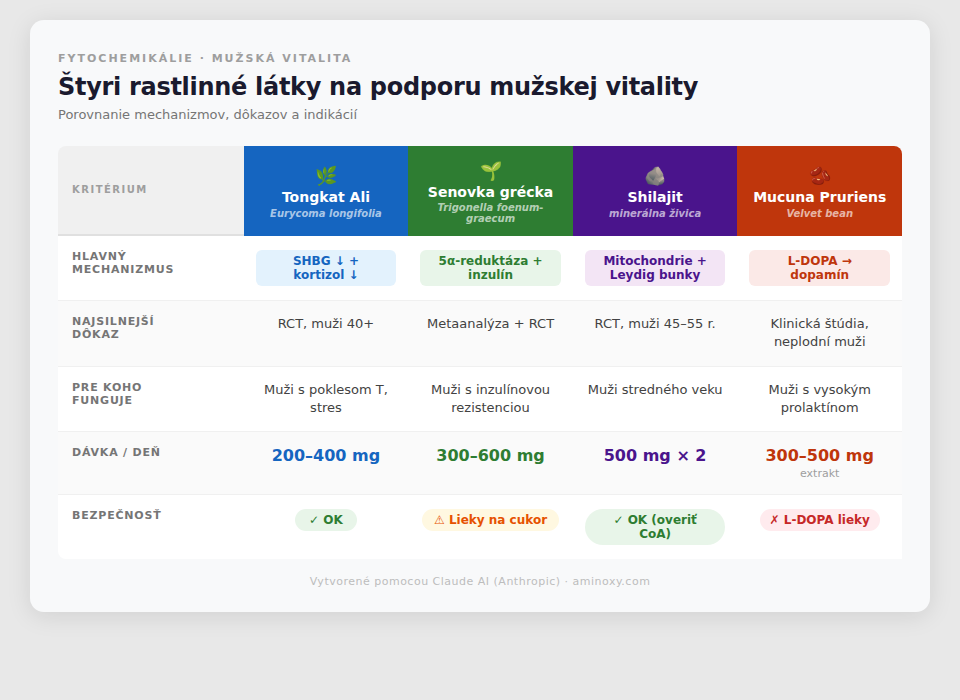
Created using Claude AI (Anthropic)
Natural Performance Support and Hormonal Balance: What Aminoxy Offers
If you are looking for supplements based on plant-based substances with transparent compositions, the Aminoxy e-shop offers several products:
Liposomal Tribulus Terrestris — An extract of Tribulus terrestris standardized to 40% protodioscin - the specific active ingredient that is the subject of studies showing positive effects on libido and hormonal balance. The product utilizes liposomal technology, which improves absorption compared to conventional powder forms.
T-1000 TESTO EXTREME — A comprehensive formula combining Tribulus terrestris with ecdysterone and other ingredients, such as zinc, vitamin D3, and apigenin. The Tribulus in this product is standardized to protodioscin - the active component referenced in clinical studies regarding positive effects on IGF-1 bioavailability.
Natural Biosteron — A natural complex based on several plant extracts, including Tribulus, ecdysterone, turkesterone, and rhodiola. It is suitable as long-term support for those interested in the natural optimization of their hormonal environment.
Super PCT III — A product focused on supporting hormonal balance and recovery after demanding training cycles. It contains potent active ingredients such as Mucuna pruriens, Tribulus terrestris, Ashwagandha, and Fadogia Agrestis.
Important Notice: The information in this article is intended exclusively for educational purposes. It does not constitute medical advice or a recommendation for specific substances. Tribulus terrestris and the other mentioned substances are dietary supplements, not medicines. Before taking any supplements - especially if you have health complications, are taking medication, or are attempting to address a hormonal deficit - consult your physician or pharmacist. Do not replace medical examinations or potential therapy with nutritional supplements.

Read more articles in this series
Plant-Based Substances and Performance: Facts Instead of Marketing — The introductory article of the series: what phytochemicals are, how extracts differ from isolated substances, and why these compounds are used in sports at all.
Zinc: Effects, Usage, and Common Mistakes — A micronutrient with a demonstrable impact on testosterone (in case of a deficit), immunity, and recovery. A synergistic partner of Tribulus.
Peruvian Maca: Effects, Use, and Potential Risks — A Peruvian superfood with real support for libido and fertility, but zero effect on testosterone.
Ecdysterone: Effects, Research, and Regulation in Sports — Ecdysteroids: the most promising plant-based substances in current research, with a mechanism different from that of Tribulus.
Sources
Qureshi A, Naughton DP, Petroczi A. A systematic review on the herbal extract Tribulus terrestris and the roots of its putative aphrodisiac and performance enhancing effect. J Diet Suppl. 2014;11(1):64–79. DOI: 10.3109/19390211.2014.887602 | PubMed 24559105
Ma Y, Guo Z, Wang X. Tribulus terrestris extracts alleviate muscle damage and promote anaerobic performance of trained male boxers and its mechanisms: roles of androgen, IGF-1, and IGF binding protein-3. J Sport Health Sci. 2017;6(4):474–481. DOI: 10.1016/j.jshs.2015.12.003 | PubMed 30356644
Dinchev D et al. Distribution of steroidal saponins in Tribulus terrestris from different geographical regions. Phytochemistry. 2008;69(1):176–186. DOI: 10.1016/j.phytochem.2007.07.033 | PubMed 17707465
Neychev VK, Mitev VI. The aphrodisiac herb Tribulus terrestris does not influence the androgen production in young men. J Ethnopharmacol. 2005;101(1–3):319–323. DOI: 10.1016/j.jep.2005.04.030 | PubMed 15994038
Santos CA Jr et al. Tribulus terrestris versus placebo in the treatment of erectile dysfunction: a prospective, randomized, double blind study. Actas Urol Esp. 2014;38(4):244–248. DOI: 10.1016/j.acuro.2013.09.014 | PubMed 24630840
Kamenov Z et al. Evaluation of the efficacy and safety of Tribulus terrestris in male sexual dysfunction — a prospective, randomized, double-blind, placebo-controlled clinical trial. Maturitas. 2017;99:20–26. DOI: 10.1016/j.maturitas.2016.11.008 | PubMed 28364864
Vilar Neto JO et al. Effects of Tribulus Supplementation on Erectile Dysfunction and Testosterone Levels in Men — A Systematic Review of Clinical Trials. Nutrients. 2025;17(7):1275. DOI: 10.3390/nu17071275 | PubMed 40219032
GamalEl Din SF, Abdel Salam MA, Mohamed MS, Ahmed AR, Motawaa AT, Saadeldin OA, Elnabarway RR. Tribulus terrestris versus placebo in the treatment of erectile dysfunction and lower urinary tract symptoms in patients with late-onset hypogonadism: a placebo-controlled study. Urologia. 2019;86(2):74–78. DOI: 10.1177/0391560318802160 | PubMed 30253697
Campanelli M, De Thomasis R, Tenaglia RL. Priapism caused by 'Tribulus terrestris'. Int J Impot Res. 2016;28(1):39–40. DOI: 10.1038/ijir.2015.30 | PubMed 26631925
Mohy-ud-din N, Jonassaint N. Severe liver and renal injury from Tribulus terrestris supplementation. ACG Case Rep J. 2024;11(2):e01267. DOI: 10.14309/crj.0000000000001267 | PubMed 38404731
Leisegang K et al. Eurycoma longifolia (Jack) and its effect on testosterone: a systematic review. Medicina. 2022;58(8):1101. DOI: 10.3390/medicina58081101 | PubMed 36013568
Mansoori A, Hosseini SA, Zilaee M, Hormoznejad R, Fathi M. Effect of fenugreek extract supplement on testosterone levels in male: a meta-analysis of clinical trials. Phytother Res. 2020;34(7):1550–1555. DOI: 10.1002/ptr.6627 | PubMed 32048383
Pandit S et al. Clinical evaluation of purified Shilajit on testosterone levels in healthy volunteers. Andrologia. 2016;48(5):570–575. DOI: 10.1111/and.12482 | PubMed 26395129
Shukla KK et al. Mucuna pruriens improves male fertility by its action on the hypothalamus-pituitary-gonadal axis. Fertil Steril. 2009;92(6):1934–1940. DOI: 10.1016/j.fertnstert.2008.09.045 | PubMed 18973898
Lampariello LR et al. The Magic Velvet Bean of Mucuna pruriens. J Tradit Complement Med. 2012;2(4):331–339. DOI: 10.1016/S2225-4110(16)30119-5 | PubMed 23723041
Brainum J. The Trials and Tribulations of Tribulus. Applied Metabolics Newsletter. February 2016. appliedmetabolics.com
Brainum J. Herbal testosterone-boosting supplements: Are they effective? Applied Metabolics Newsletter. April 2015. appliedmetabolics.com
Brainum J. Is Tongkat Ali a Useful Supplement? Applied Metabolics Newsletter. February 2026. appliedmetabolics.com
Brainum J. Testosterone-boosting Supplements: How they work and do they work? Applied Metabolics Newsletter. March 2025. appliedmetabolics.com
Keller JL et al. The effects of Shilajit supplementation on fatigue-induced decreases in muscular strength and power. J Int Soc Sports Nutr. 2018;15(Suppl 1):A25. [konferenčný abstrakt — ISSN Annual Conference 2018]
Ismail SB et al. Randomized clinical trial on the use of PHYSTA freeze-dried water extract of Eurycoma longifolia for the improvement of quality of life and sexual well-being in men. Evid Based Complement Alternat Med. 2012;2012:429268. DOI: 10.1155/2012/429268 | PubMed 23243445
Steels E, Rao A, Vitetta L. Physiological aspects of male libido enhanced by standardized Trigonella foenum-graecum extract and mineral formulation. Phytother Res. 2011;25(9):1294–300. DOI: 10.1002/ptr.3360 | PubMed 21312304
Wankhede S, Mohan V, Thakurdesai P. Beneficial effects of fenugreek glycoside supplementation in male subjects during resistance training. J Sport Health Sci. 2016;5(2):176–182. DOI: 10.1016/j.jshs.2014.09.005 | PubMed 30356905
Biswas TK et al. Clinical evaluation of spermatogenic activity of processed Shilajit in oligospermia. Andrologia. 2010;42(1):48–56. DOI: 10.1111/j.1439-0272.2009.00956.x | PubMed 20078516
Hejazi N et al. Fenugreek Intake as an Alternative Oral Medication for Pulmonary Embolism: A Case Study. Am J Case Rep. 2017;18:1059–1062. DOI: 10.12659/AJCR.905376 | PubMed 28974676
Akhtari E et al. Tribulus terrestris for treatment of sexual dysfunction in women. Daru. 2014;22(1):40. DOI: 10.1186/2008-2231-22-40 | PubMed 24773615
Milasius K, Dadeliene R, Skernevicius J. The influence of Tribulus terrestris extract on the parameters of the functional preparedness and athletes' organism homeostasis. Fiziol Zh. 2009;55(2):89–96. PubMed 20095389
Rogerson S et al. The effect of five weeks of Tribulus terrestris supplementation on muscle strength and body composition during preseason training in elite rugby league players. J Strength Cond Res. 2007;21(2):348–353. DOI: 10.1519/R-18395.1 | PubMed 17530942
Antonio J et al. The effects of Tribulus terrestris on body composition and exercise performance in resistance-trained males. Int J Sport Nutr Exerc Metab. 2000;10(2):208–215. DOI: 10.1123/ijsnem.10.2.208 | PubMed 10861339